Japanese General Officer’s Kyū-Guntō with 19th Century Gassan School Nihontō Blade & Horimono
WW I
From the Gassan Tradition to the Imperial General Staff An Exceptional General Officer’s Kyū-Guntō
Payment
Japanese General Officer’s Kyū-Guntō with 19th Century Gassan School Nihontō Blade & Horimono
An Exceptional General Officer’s Sword with a Traditional Gassan School Blade
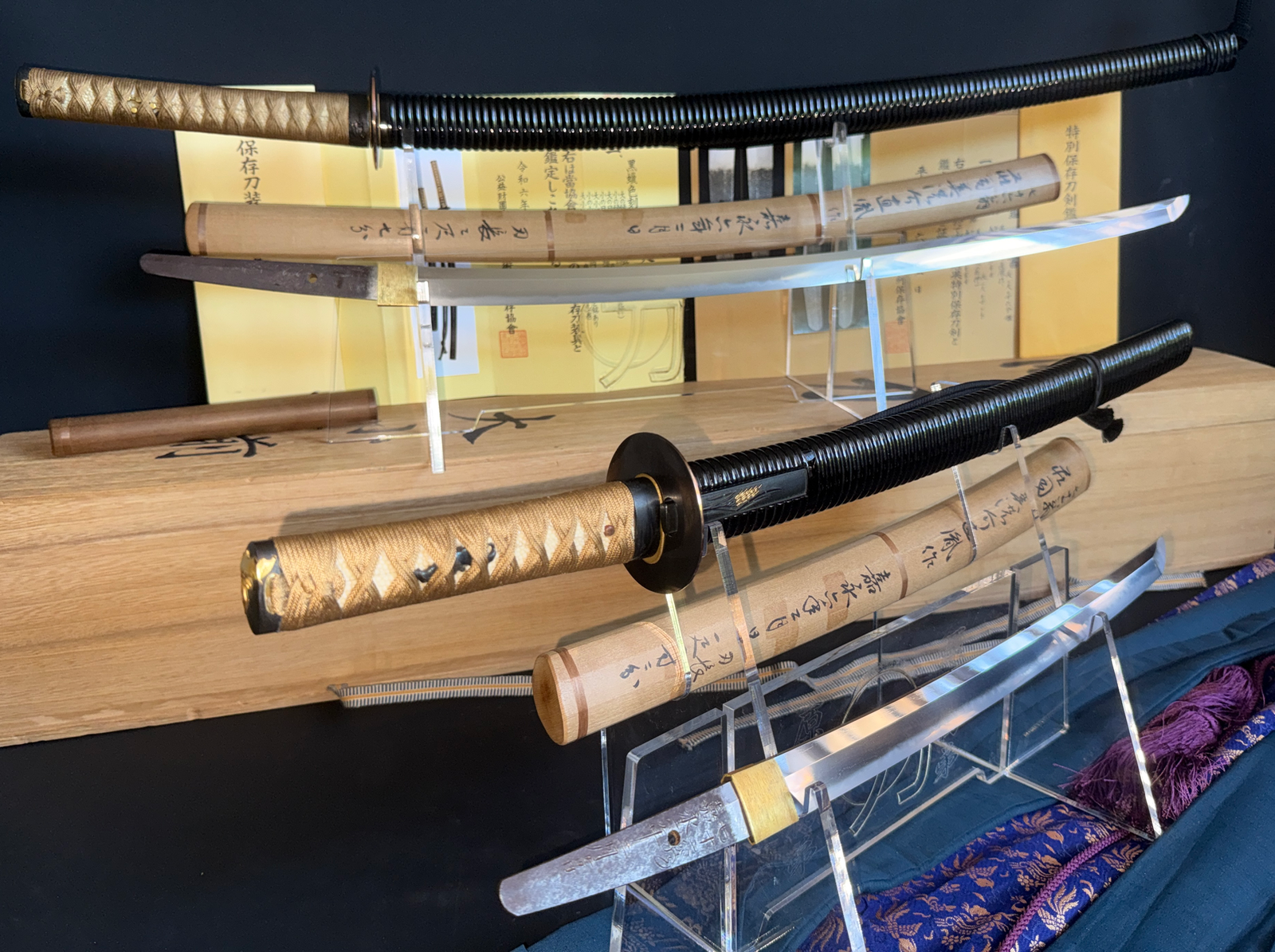
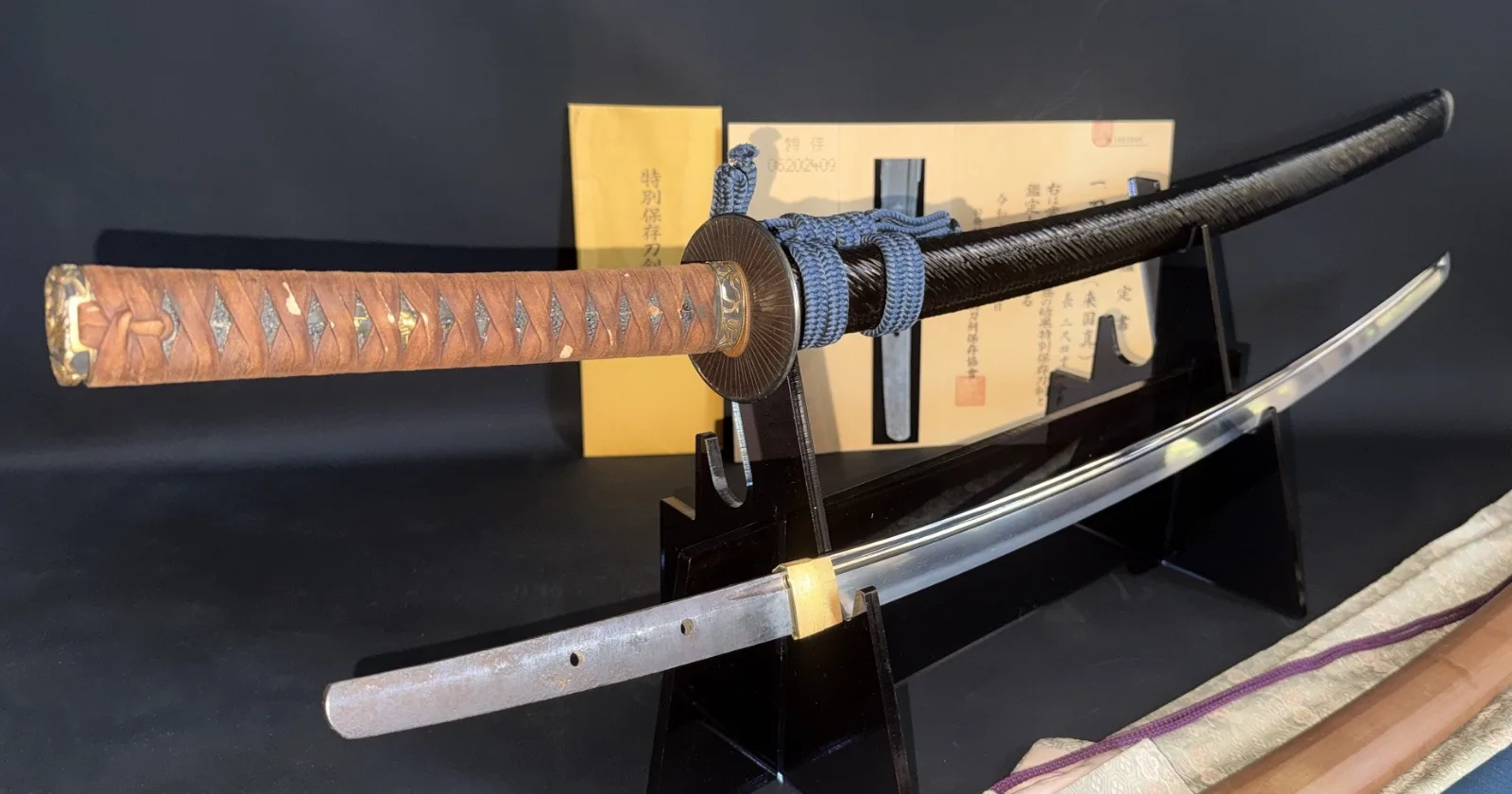
This exceptional Japanese General Officer’s Kyū-guntō combines a magnificent military mounting of high rank with an older, traditionally forged Nihontō attributed to the renowned Gassan school.
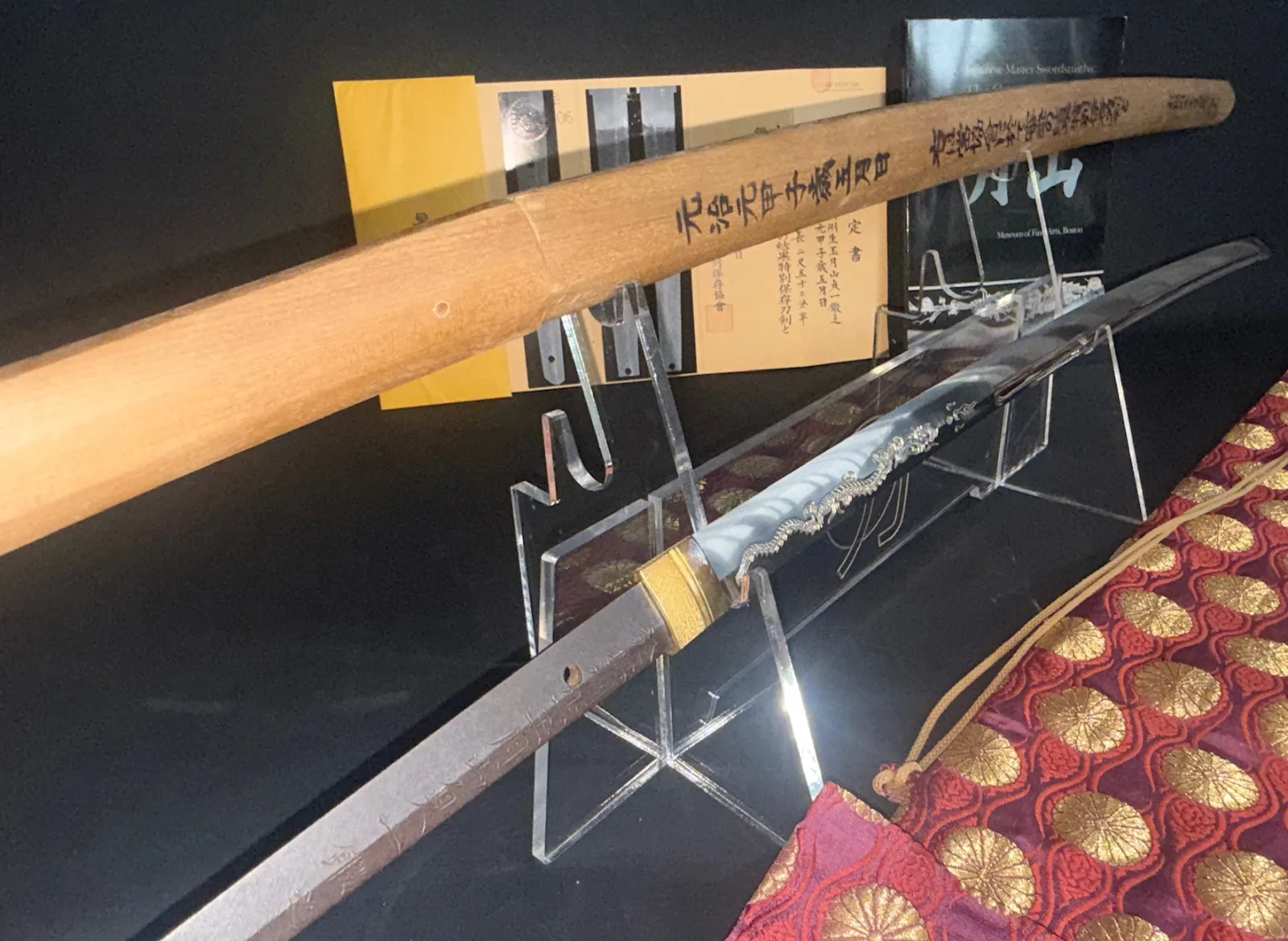
The 19th-century blade measures an impressive 69.2 cm and displays shinogi-zukuri construction, mokume hada and a classical suguha hamon. Particularly striking are the extensive horimono carved on both sides of the blade, each extending approximately 25 cm.
The blade remains mumei and ubu, with two mekugi-ana. Its absence of a signature does not diminish the importance of its workmanship; the attribution to the Gassan tradition places the blade within one of Japan’s most celebrated and enduring sword-making lineages.
It was later preserved in an exceptionally elaborate General Officer’s Kyū-guntō mounting, creating a remarkable union between traditional Japanese sword craftsmanship and the highest levels of Imperial military presentation.
Rather than an ordinary military sabre, this is a prestigious historical ensemble: a traditional Gassan-school Nihontō transformed into the sword of a Japanese General Officer.