
Exceptional Edo Period Japanese Inrō Maki-e Lacquer Circa 1735
Edo
A Masterpiece of Edo Elegance and Samurai Refinement
Payment
Exceptional Japanese Inrō with Fine Maki-e Lacquer
Edo Period, circa 1735
This exceptional Japanese Inrō is a rare surviving example of Edo-period craftsmanship, dating to approximately 1735. More than a functional personal accessory, an Inrō represents one of the highest expressions of Japanese lacquer artistry, combining refined aesthetics with practical design. Pieces of this quality were carried by samurai, wealthy merchants, and members of the Japanese elite, reflecting both social status and cultivated taste.
During the Edo period (1603–1868), traditional Japanese clothing had no pockets. Small personal belongings such as medicines, seals, or valuable documents were therefore carried in compartmented cases suspended from the obi (kimono sash). The Inrō became the most elegant solution, hanging from a silk cord and secured with a beautifully carved netsuke and ojime bead. Over time these practical containers evolved into luxurious works of art that demonstrated the extraordinary skill of Japan's finest lacquer masters.
This beautiful Inrō is decorated using the celebrated maki-e technique, one of the most sophisticated forms of Japanese lacquer decoration. Fine gold powder was meticulously sprinkled onto layers of wet lacquer before being polished to create an exceptionally rich and luminous surface. The decoration displays remarkable precision, depth, and refinement, qualities that continue to captivate collectors nearly three centuries after its creation.
The proportions of this Inrō are elegant and balanced, making it comfortable to hold while offering sufficient space within its multiple compartments. It measures 5 cm wide, 8 cm high, and 2.5 cm deep.
The Inrō is presented in a traditional wooden storage box measuring 18.5 cm × 6 cm × 7.5 cm, providing both protection and an attractive presentation for display or collection.
Considering its age of nearly 300 years, the condition is remarkably well preserved. The lacquer retains its beautiful appearance with only light surface wear and minor scratches consistent with careful historical use. These subtle signs of age enhance the authenticity and character of the piece and are entirely appropriate for an original Edo-period object.
Today, antique Inrō are highly sought after by collectors of Japanese art, lacquerware, samurai culture, and museum-quality decorative objects. Fine Edo-period examples featuring high-quality maki-e workmanship have become increasingly scarce, making this piece an exceptional opportunity for the discerning collector.
Whether displayed in a private collection, museum-quality cabinet, or study devoted to Japanese history and craftsmanship, this remarkable Inrō represents the timeless elegance, technical mastery, and artistic sophistication that define the finest works of the Edo period.
Specifications
Object: Japanese Inrō
Period: Edo Period
Date: Circa 1735
Material: Lacquer with fine maki-e decoration
Dimensions Inrō: 8 × 5 × 2.5 cm
Storage Box: 18.5 × 6 × 7.5 cm
Condition: Very good antique condition with light age-related wear
Origin: Japan
A beautiful and increasingly rare Edo-period Inrō, preserving nearly three centuries of Japanese craftsmanship and artistic tradition.
- Certification
- Authentic Edo Period • Circa 1735
- Period
- Edo
Related Pieces
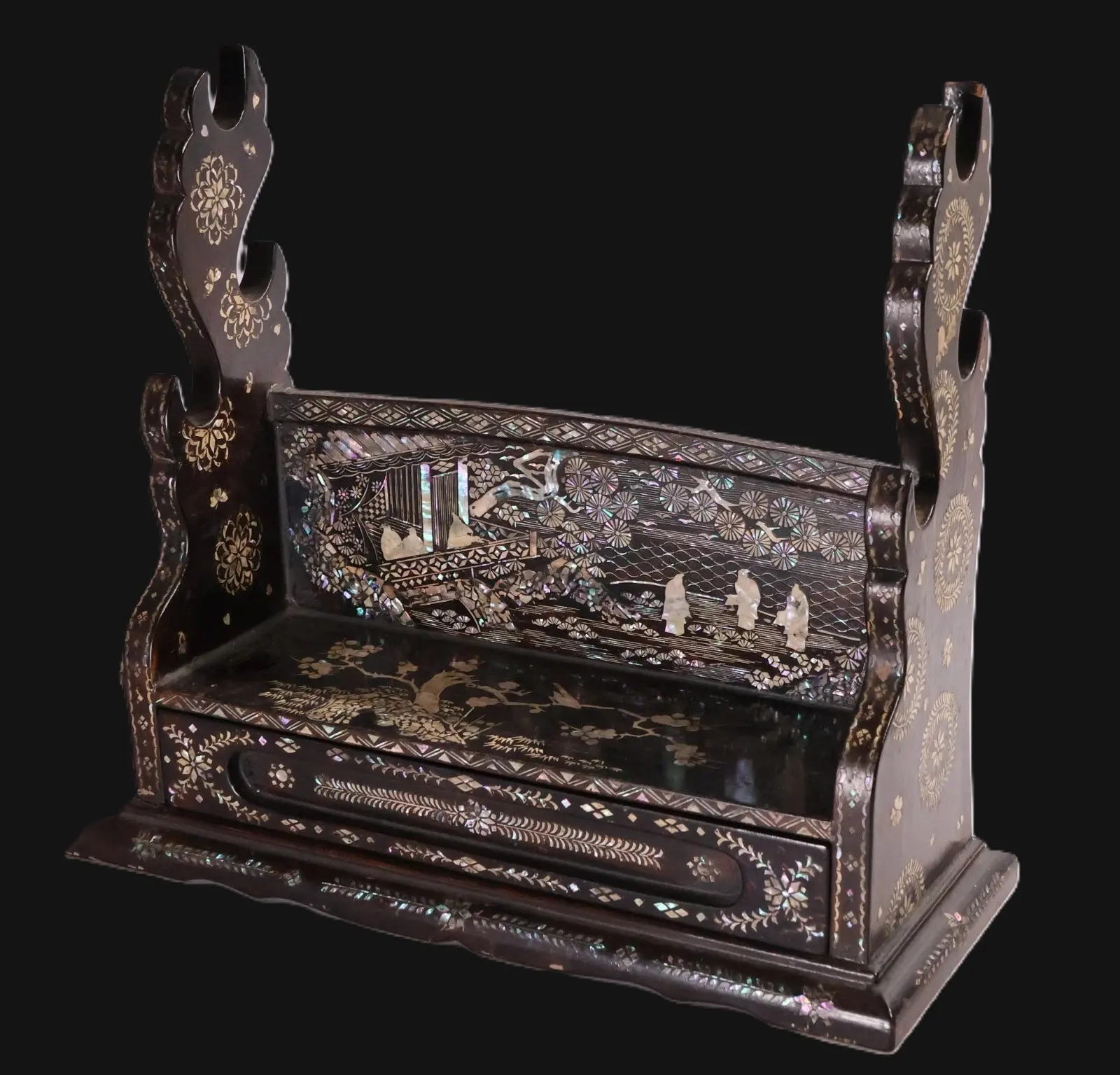
A real pice of Art Antique Japanese Silver Kake Three Sword Katana Kake with Drawer Meiji Period
1868–1912
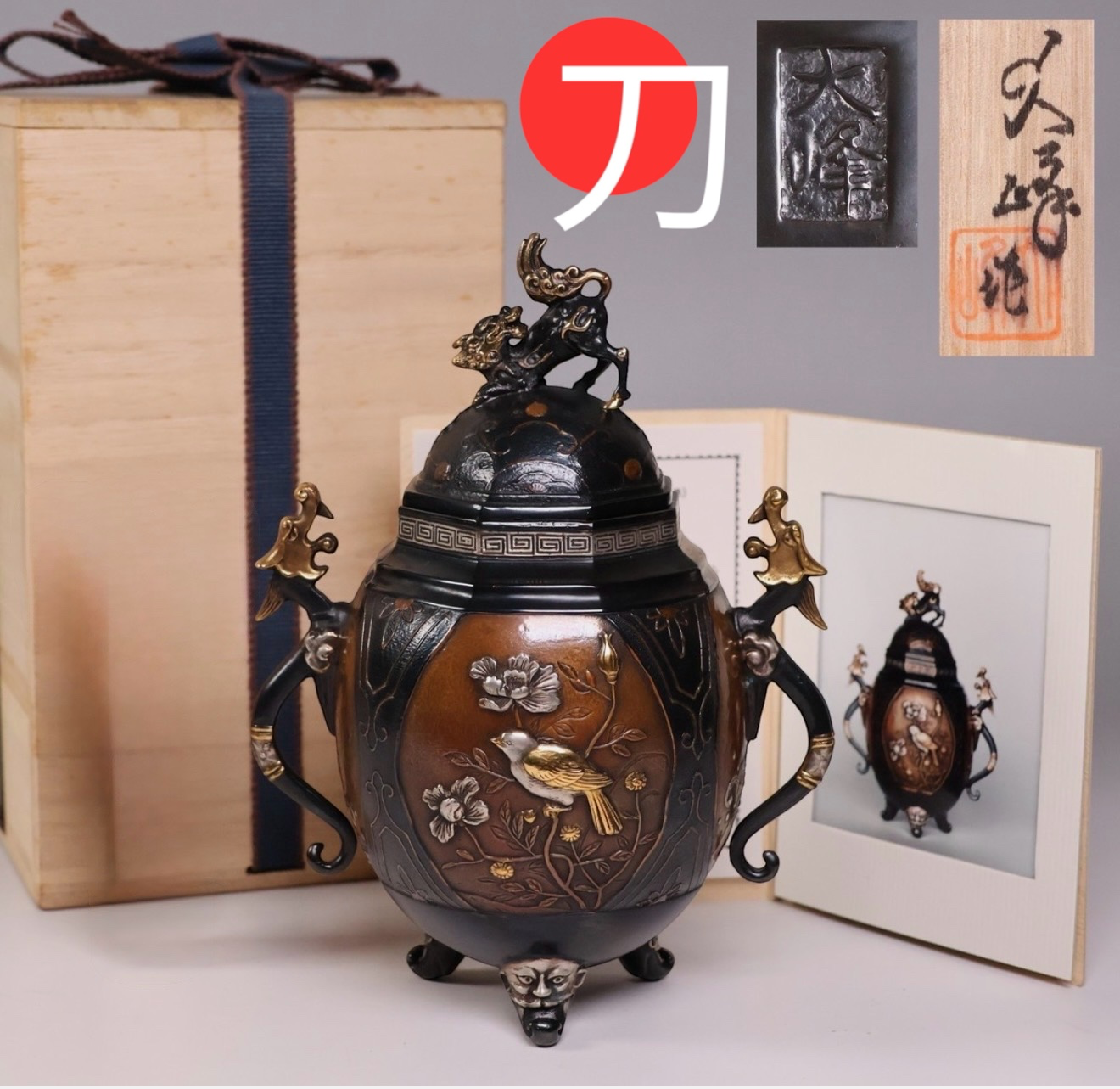
A masterfully cast Takaoka bronze koro where the auspicious Kirin, dragons and shimmering precious-metal inlay unite in a powerful expression of Japanese craftsmanship.
Shōwa Period
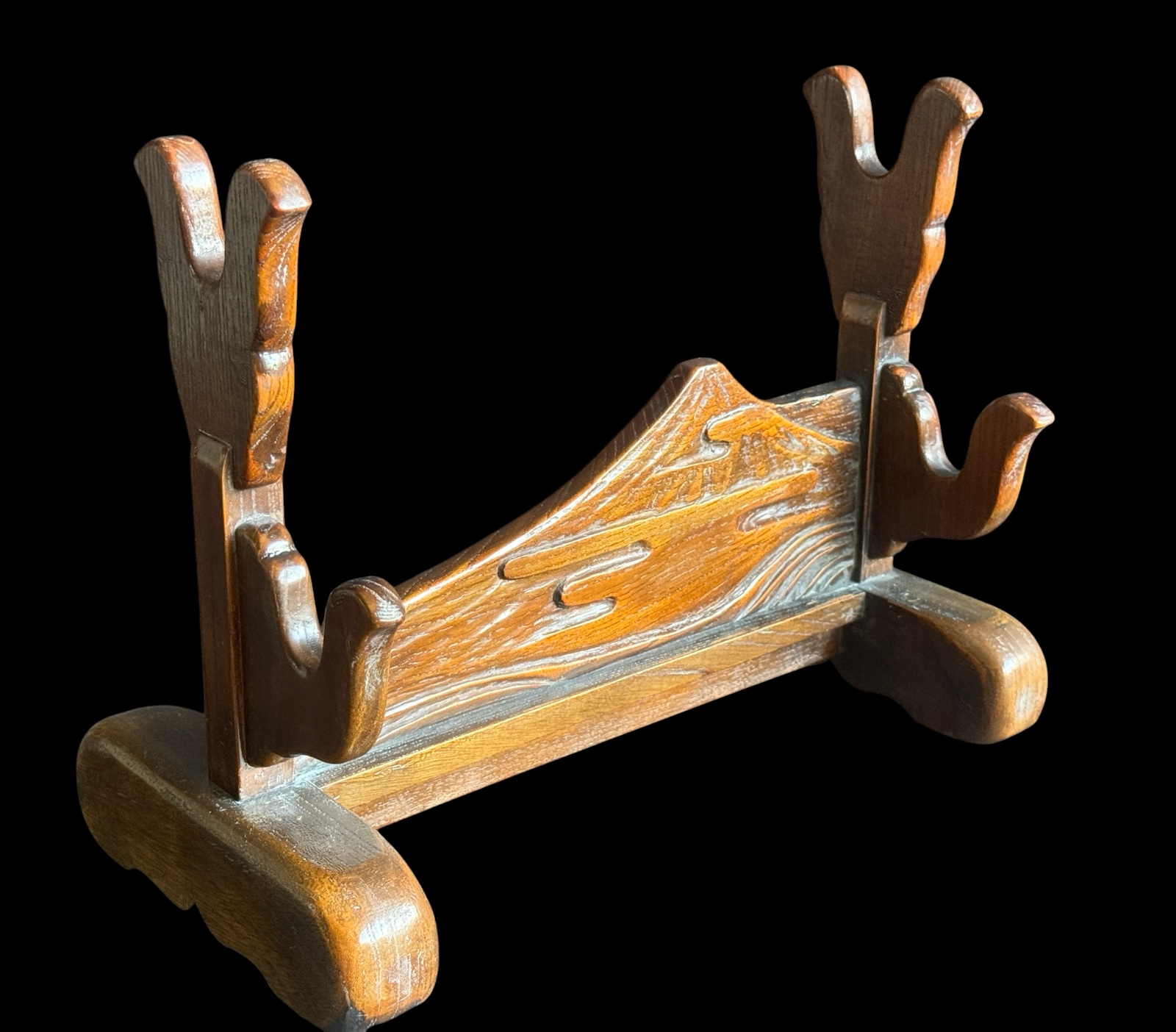
Handcrafted Japanese Double Sword Stand Unkai Fuji Style
End Edo period