

€ 7.250,00
1 in stock
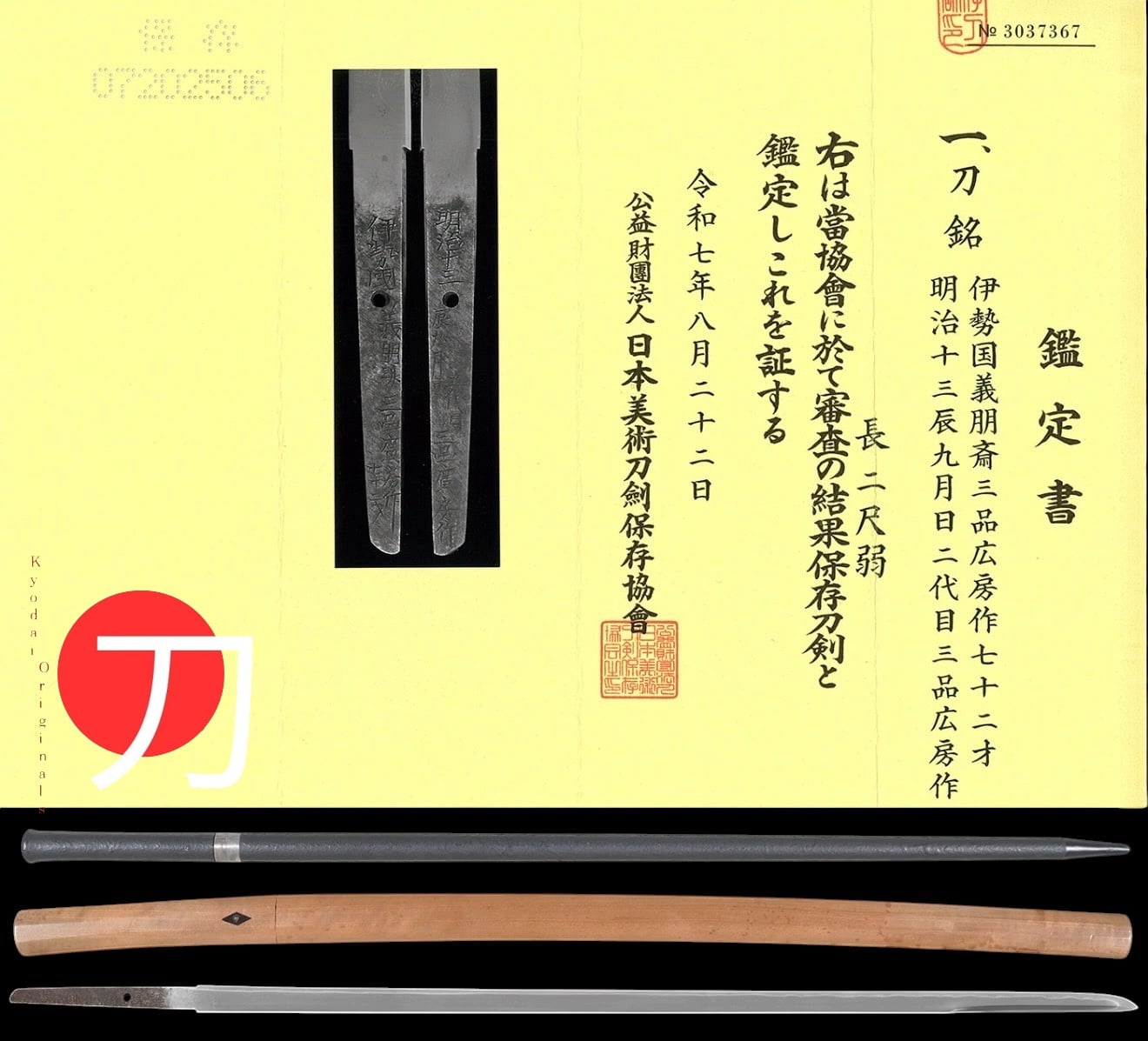
Exceptional Shikomizue Katana by Giho-sai Hirofusa
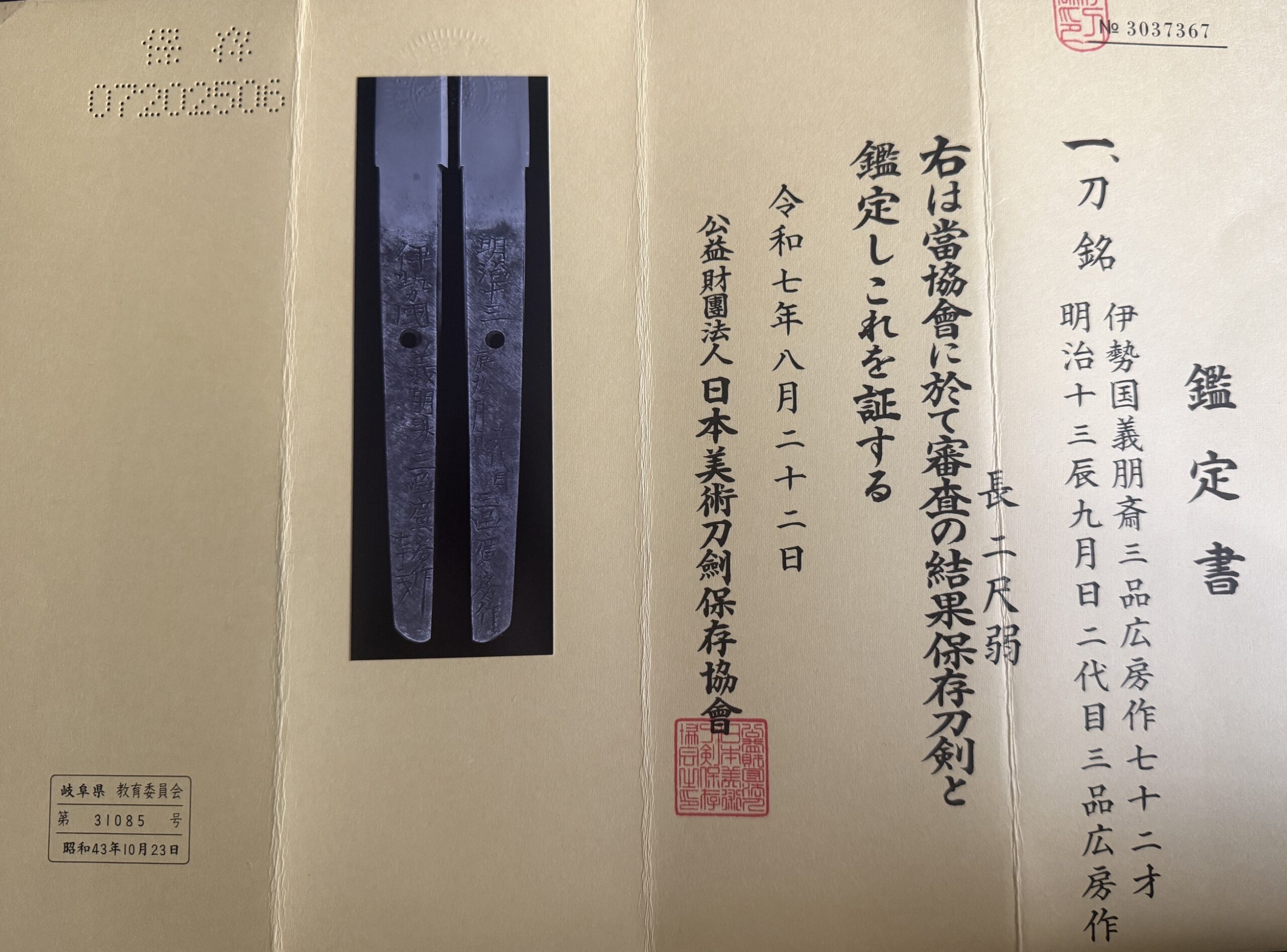
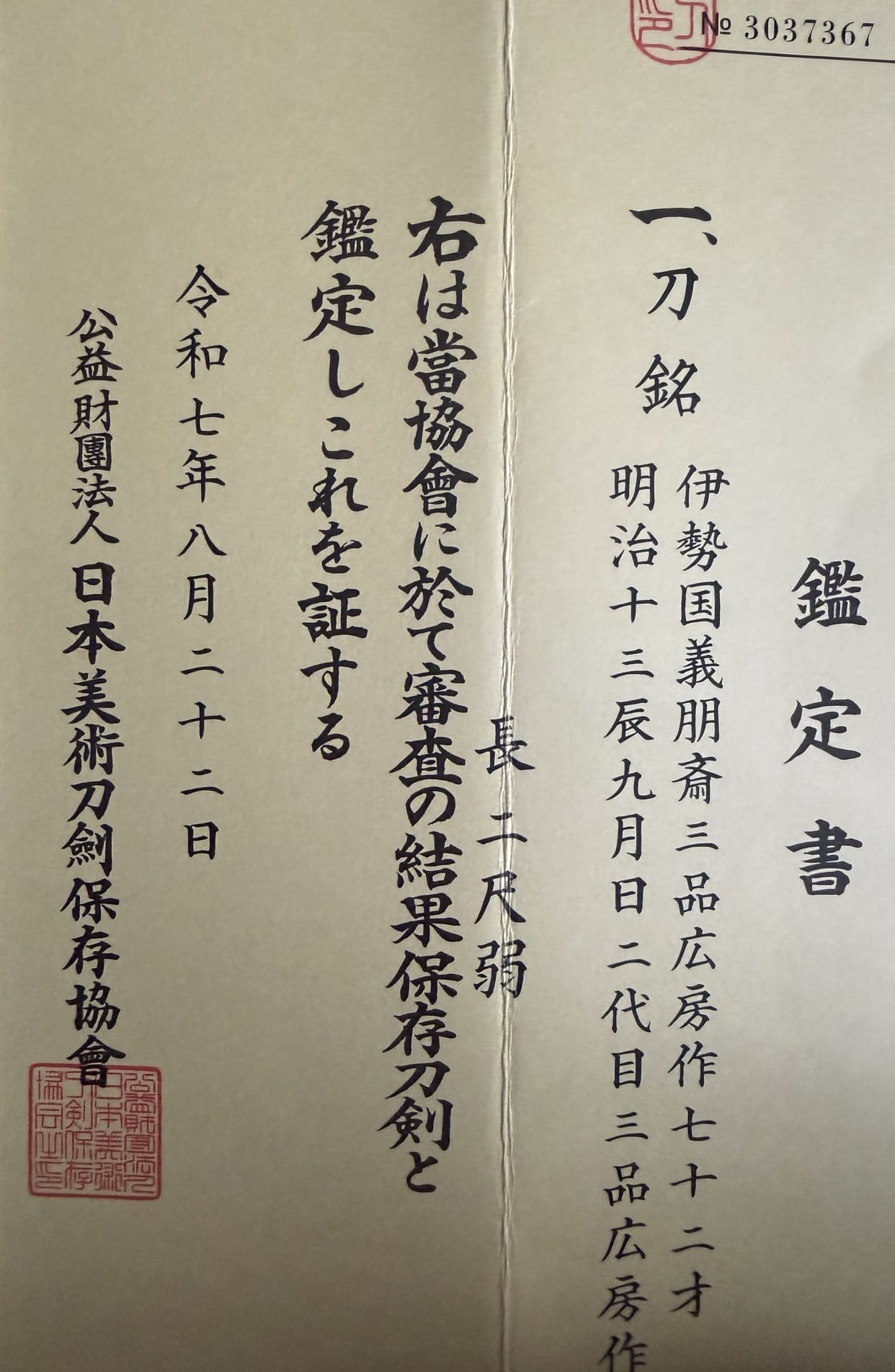
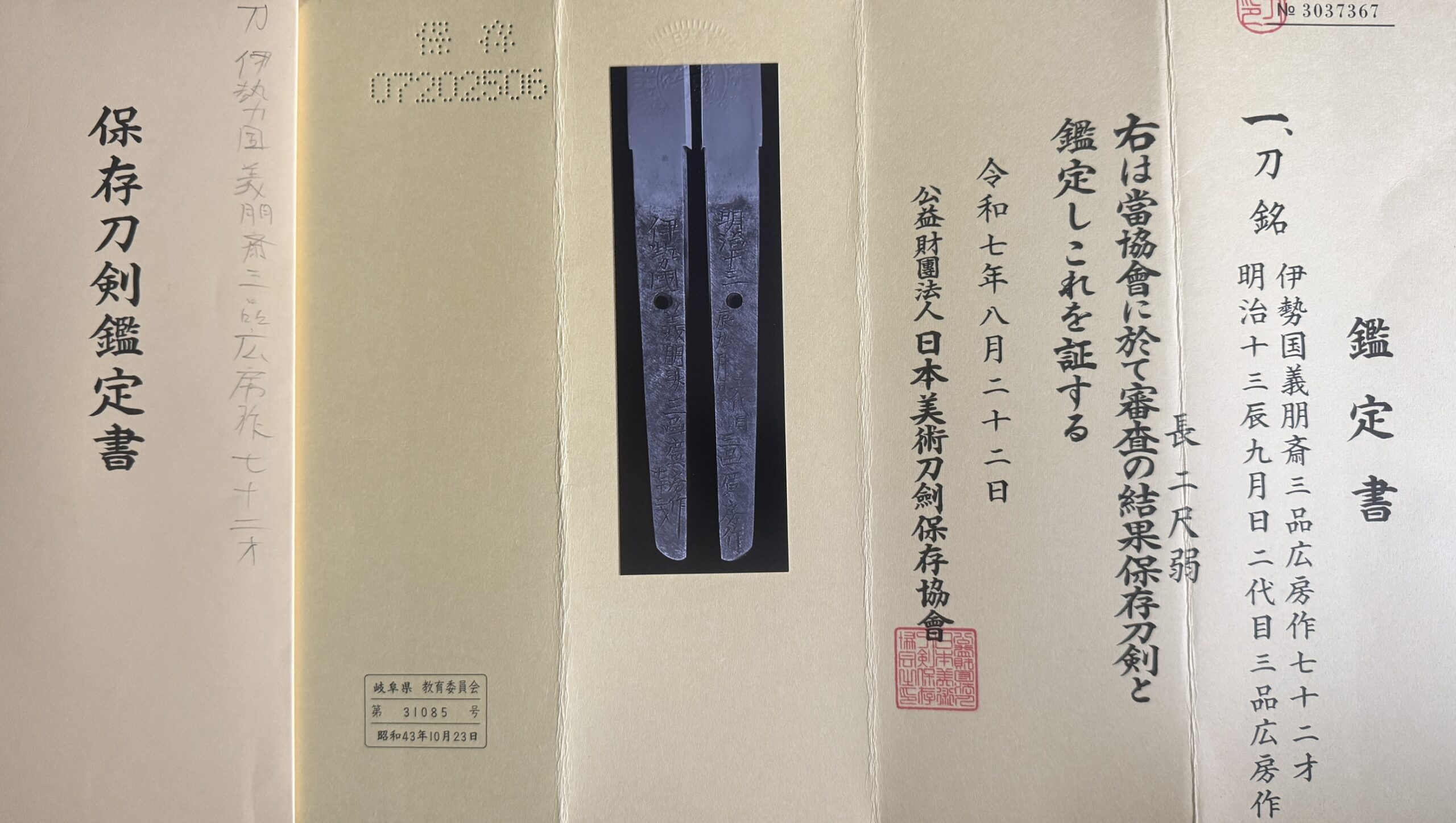
NBTHK Hozon Token
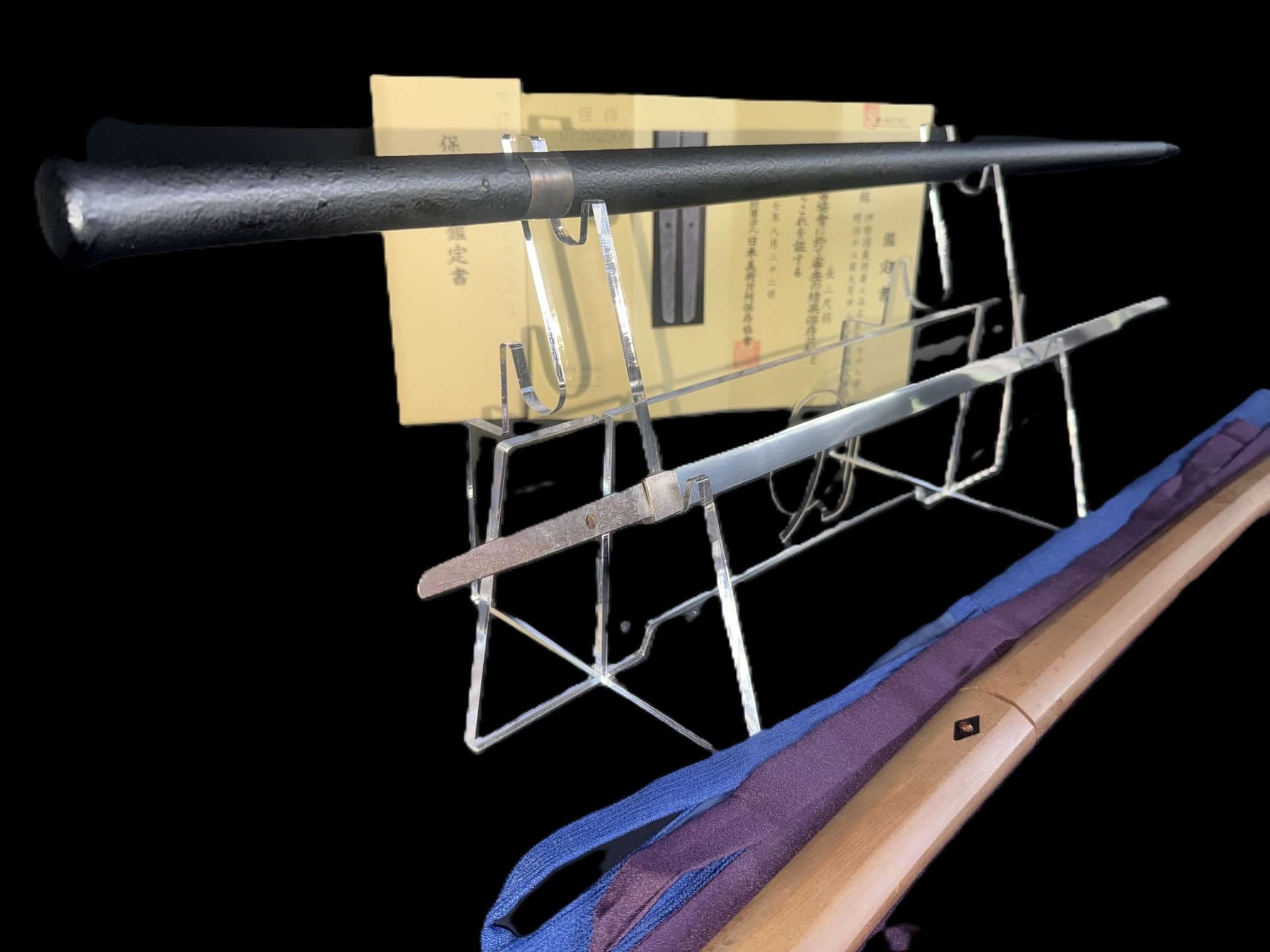
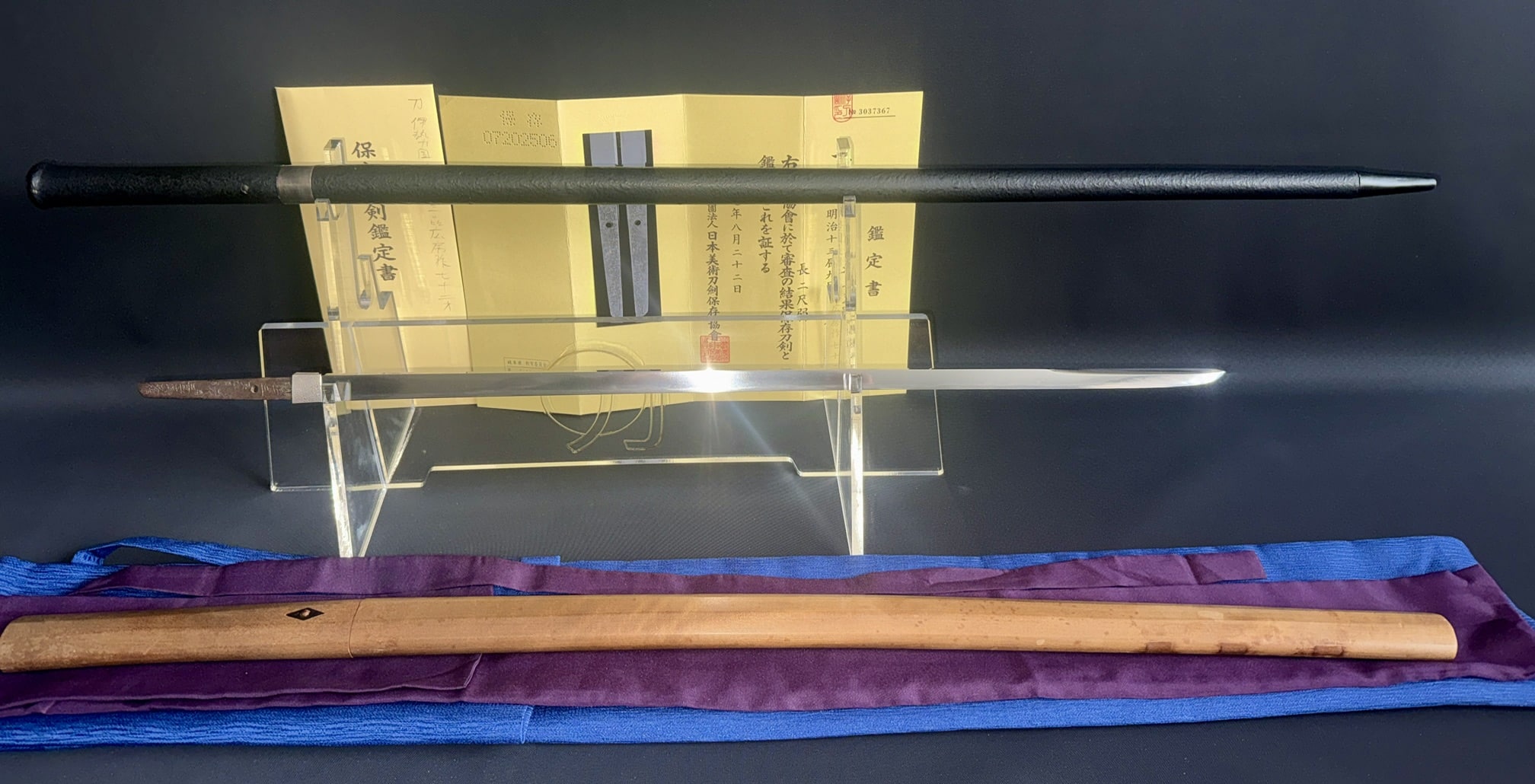
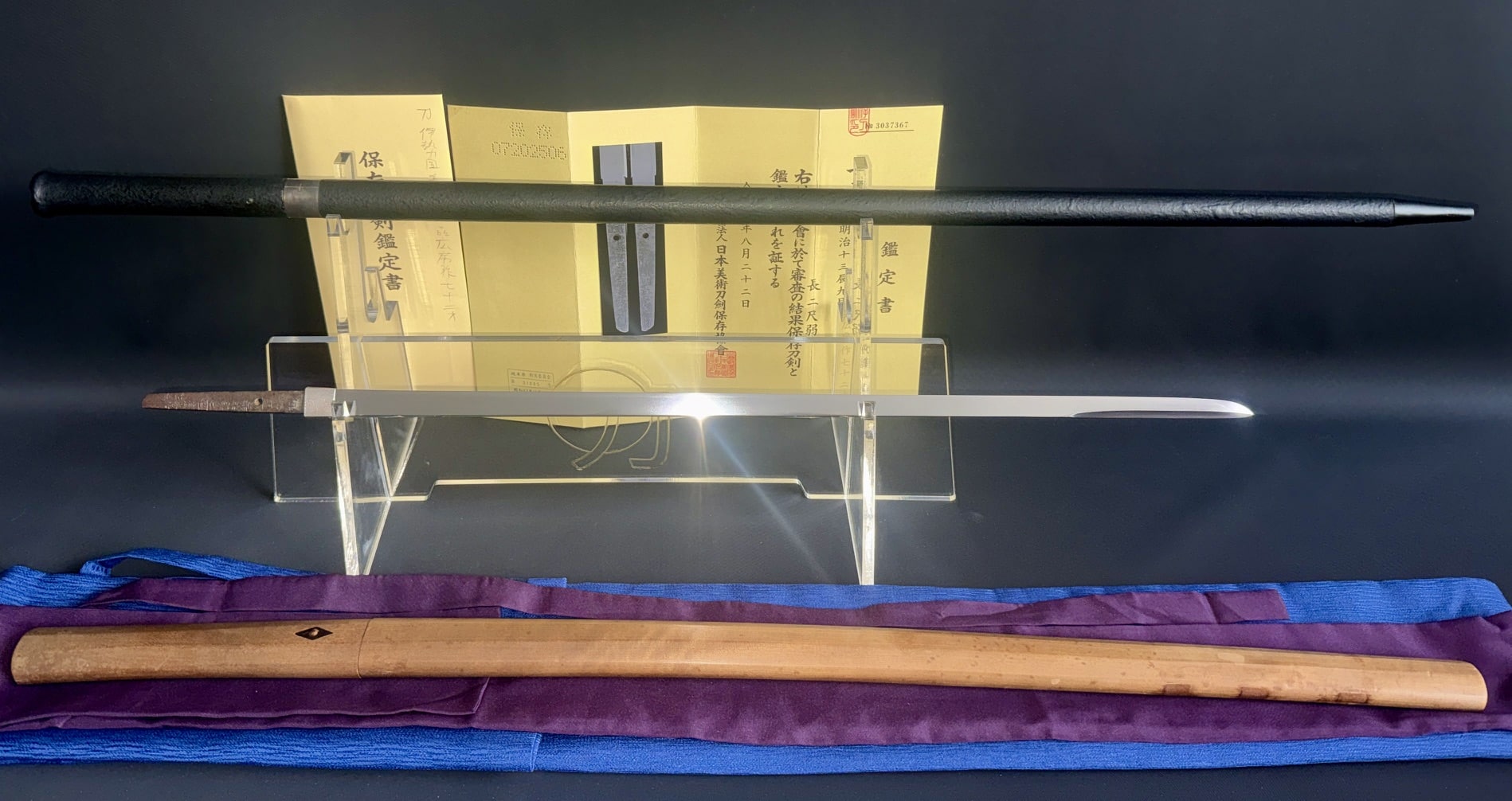
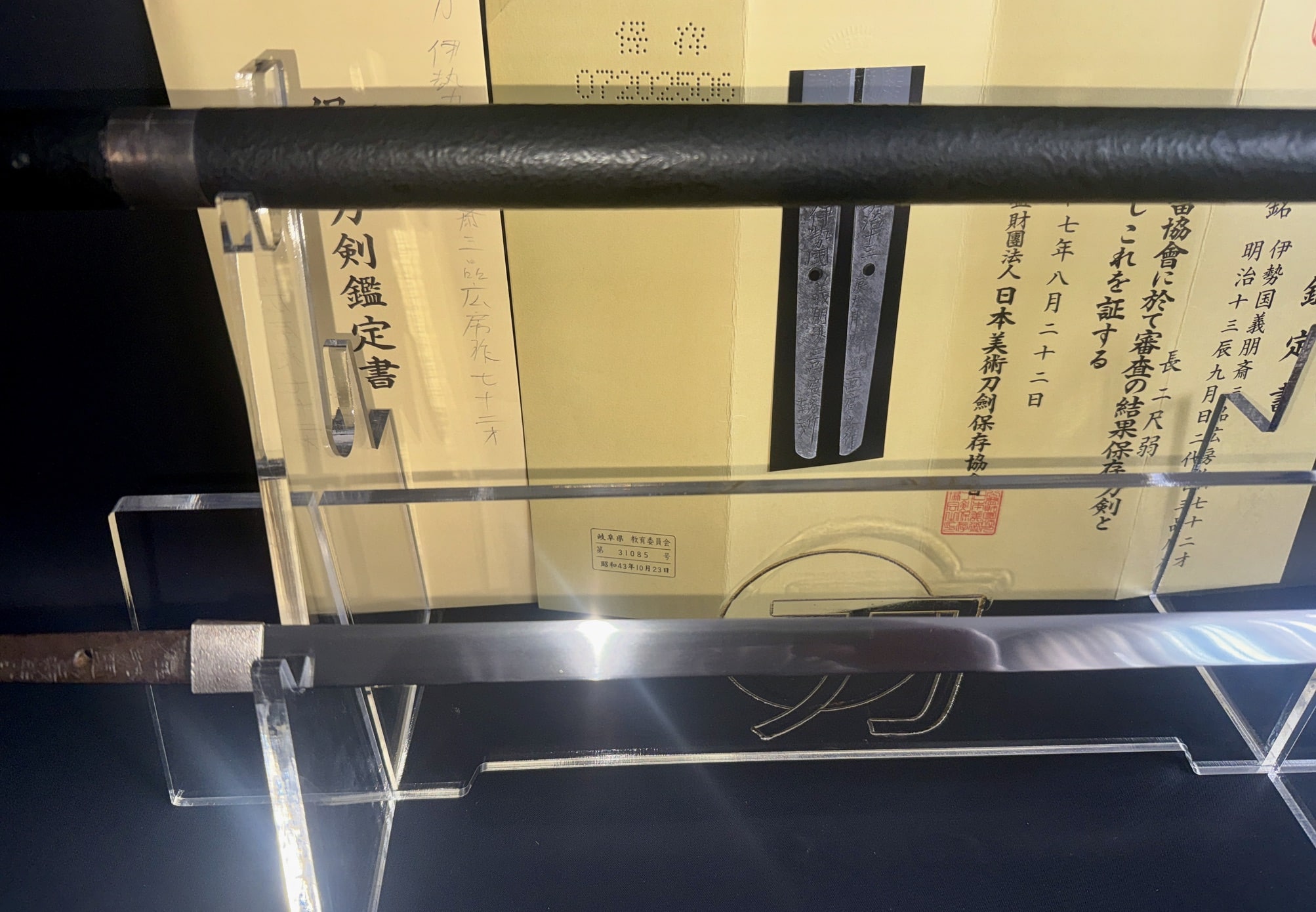
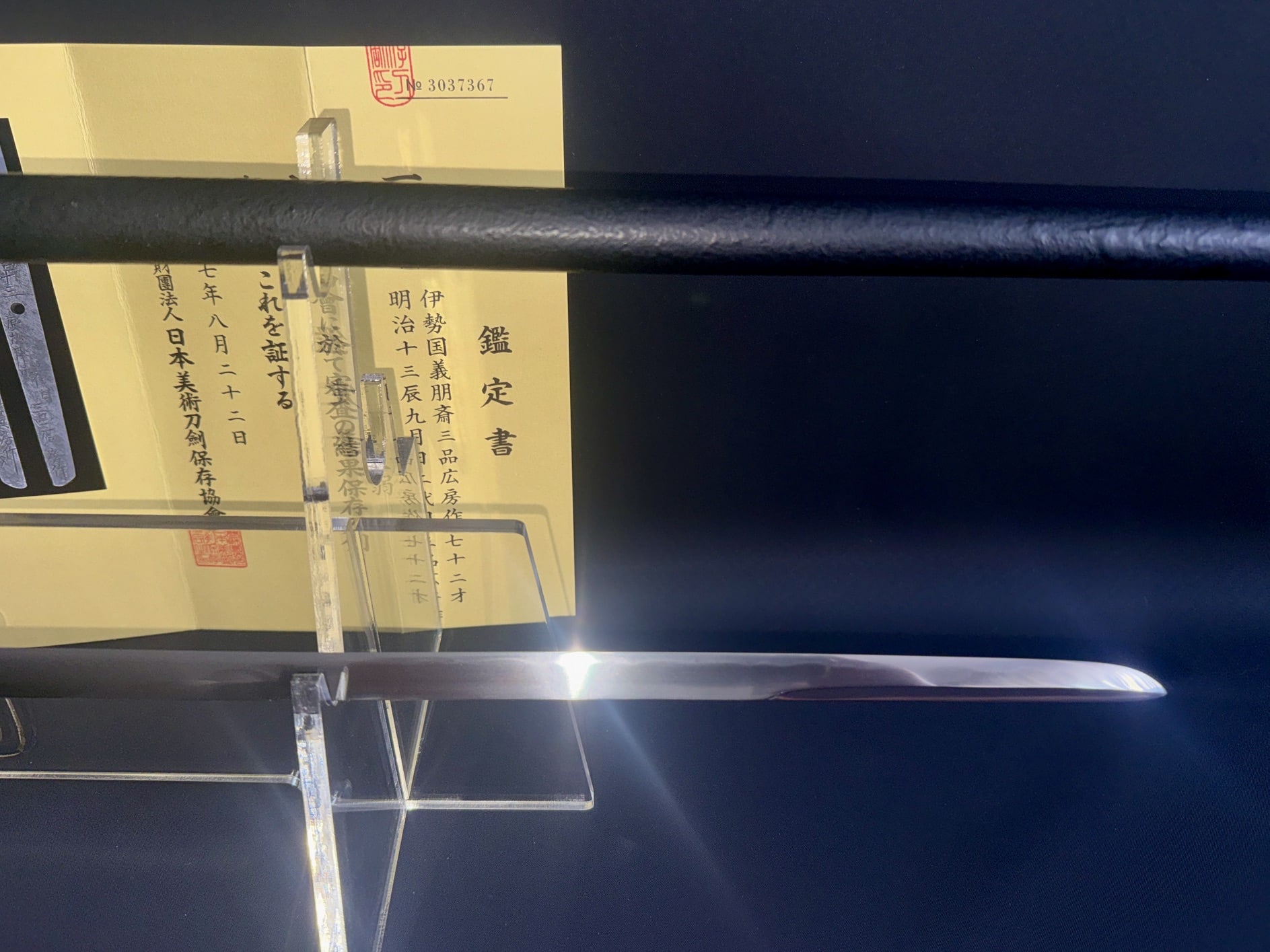
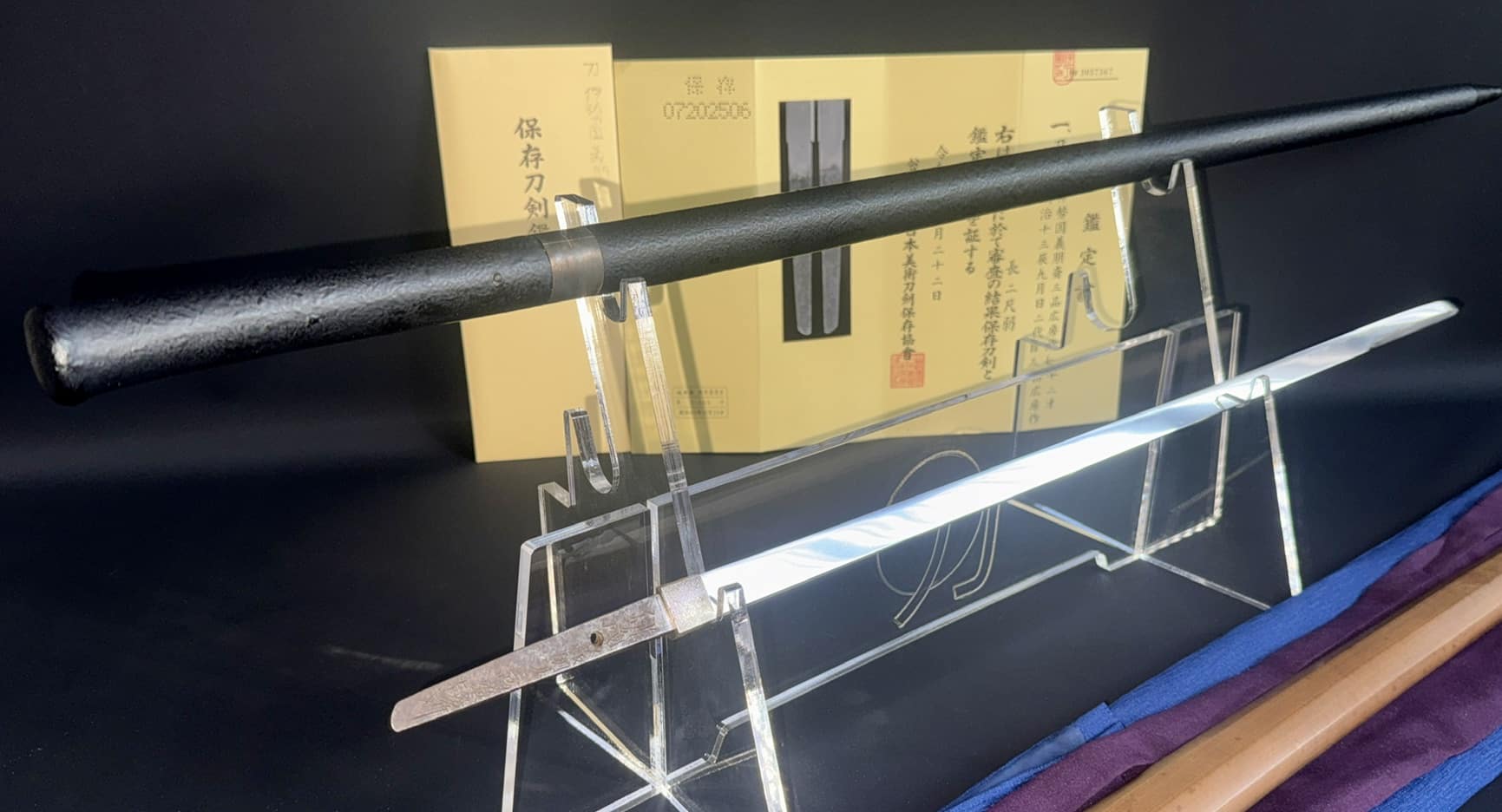
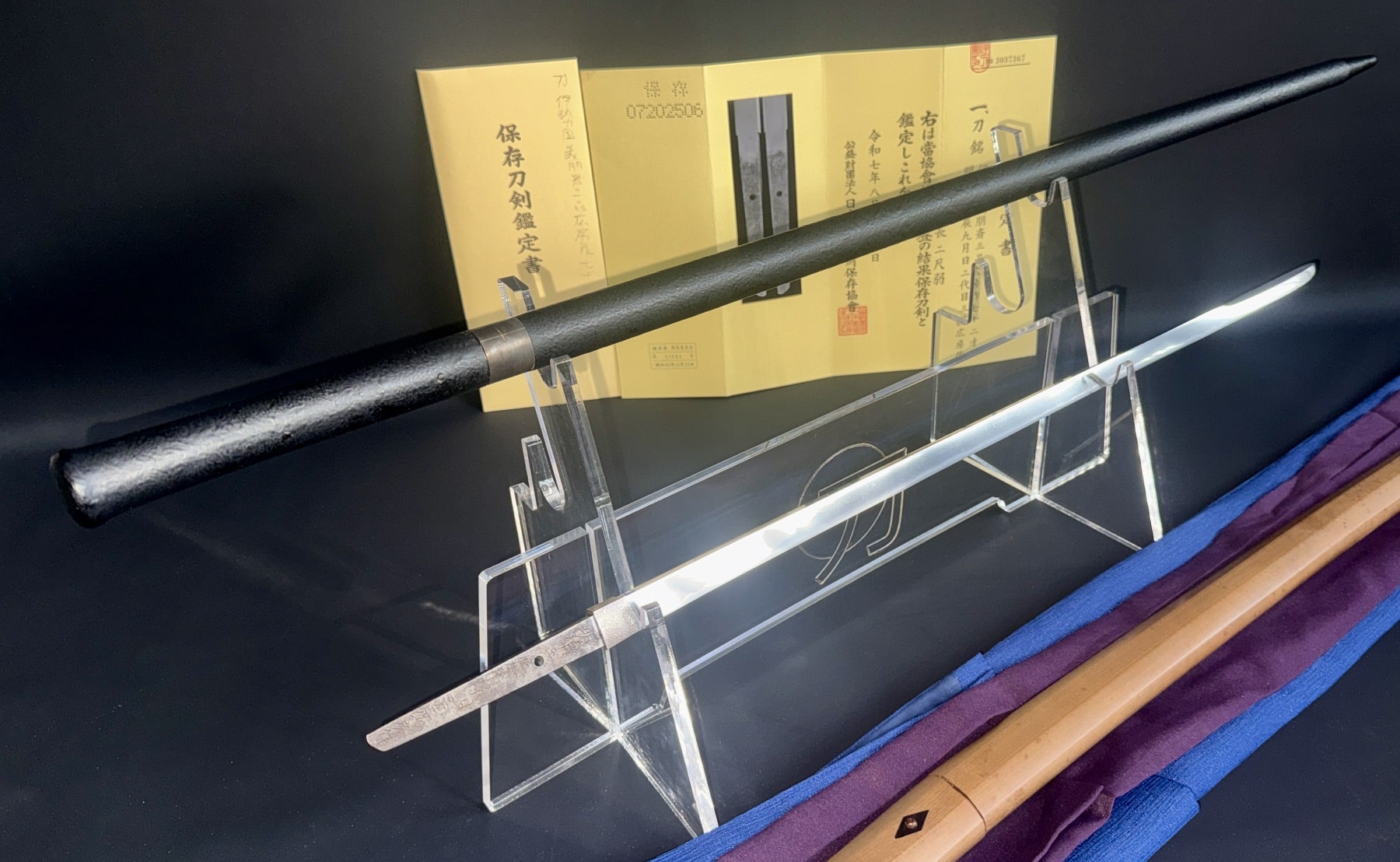
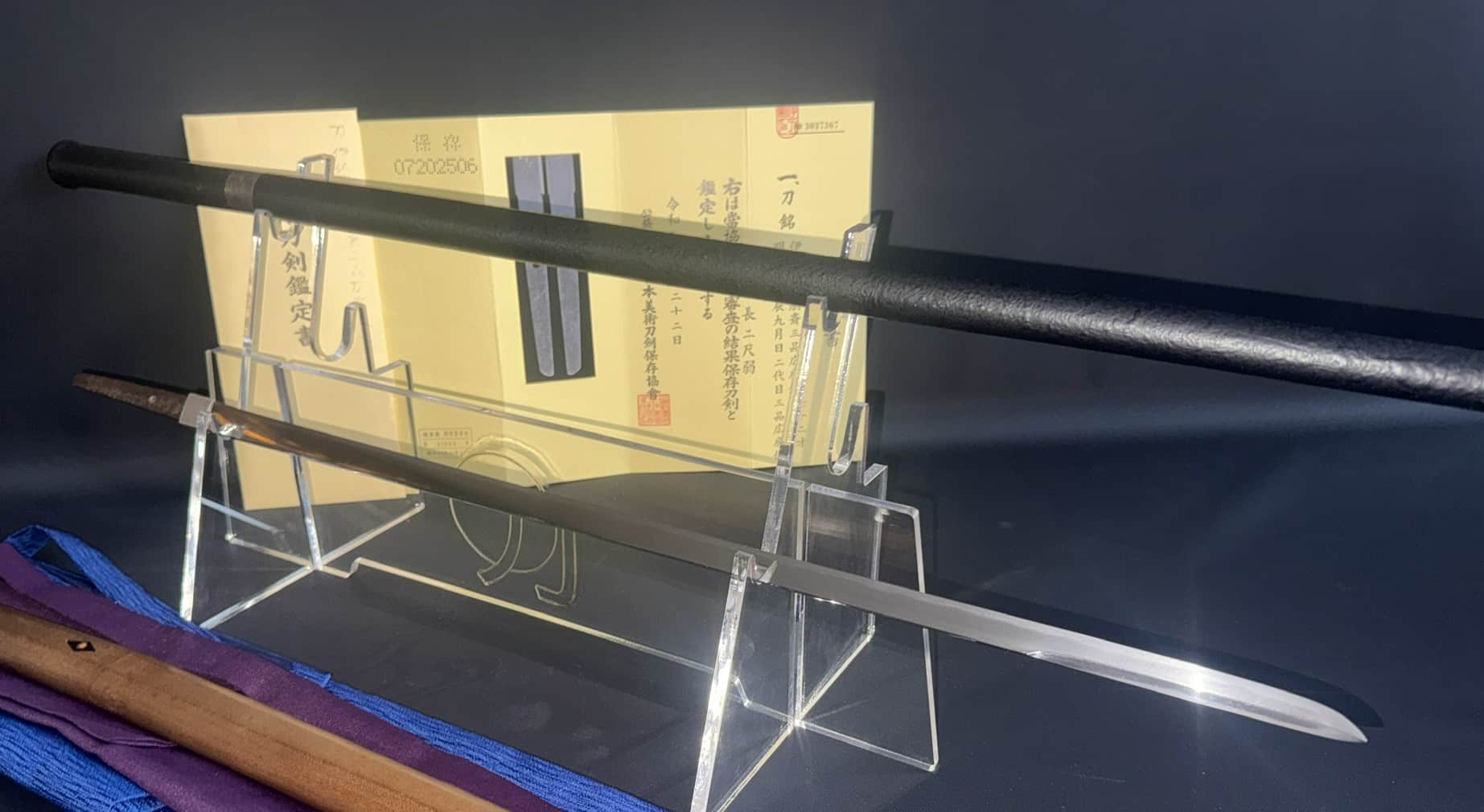
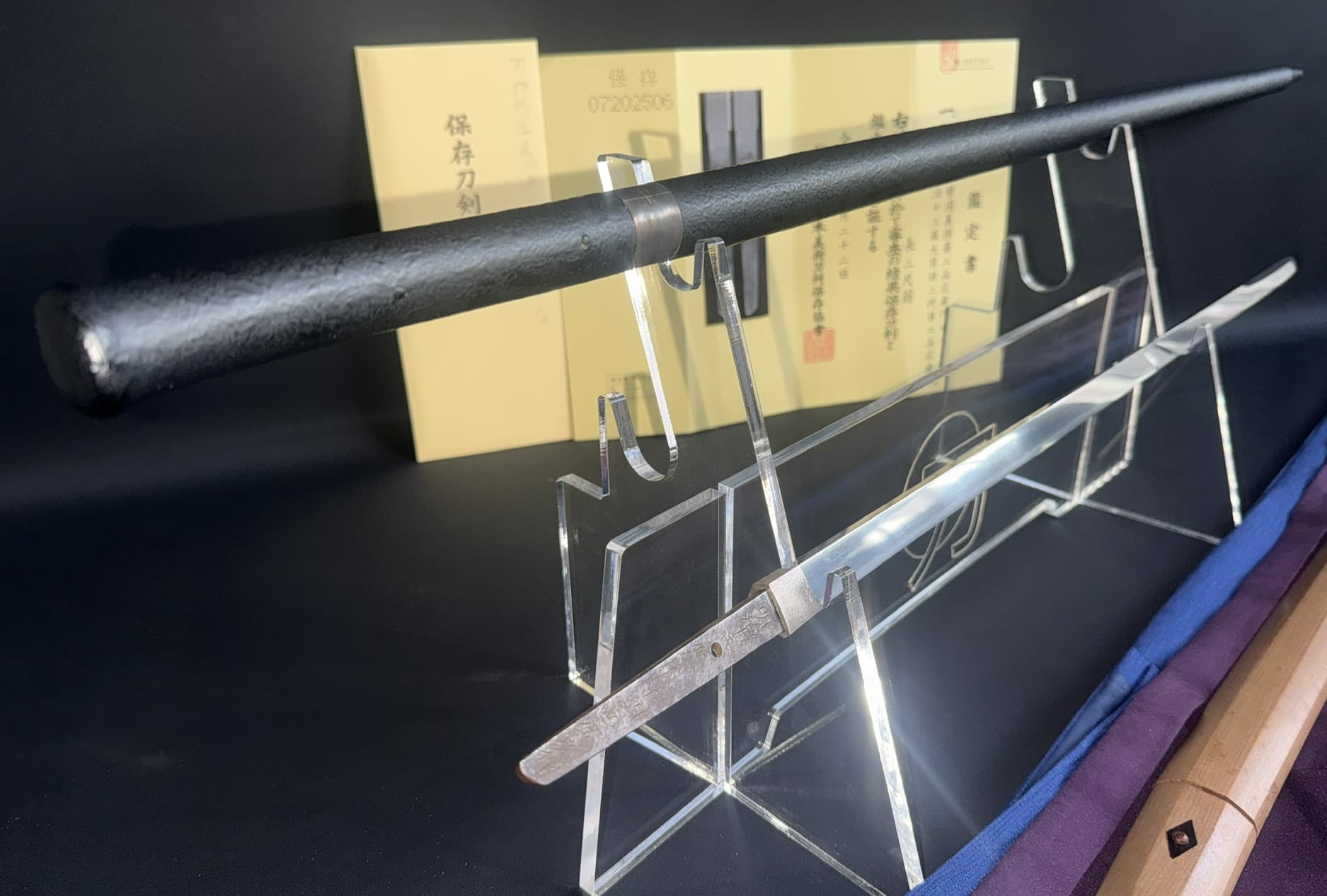
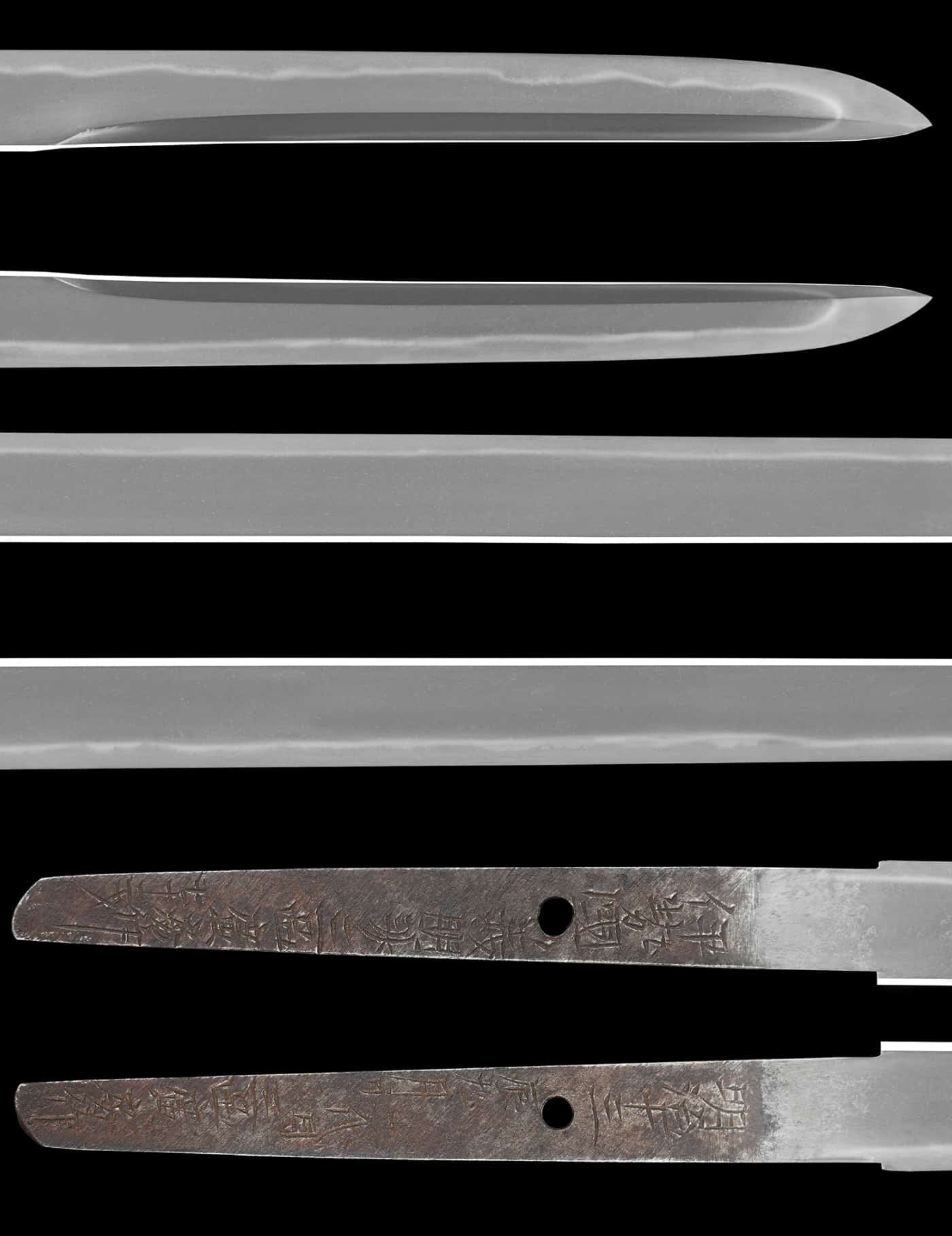
This remarkable and highly unusual Japanese sword is a genuine shikomizue a concealed katana disguised as a walking cane forged during the early Meiji period by the respected swordsmith Giho-sai Hirofusa of Kuwana in Ise Province.
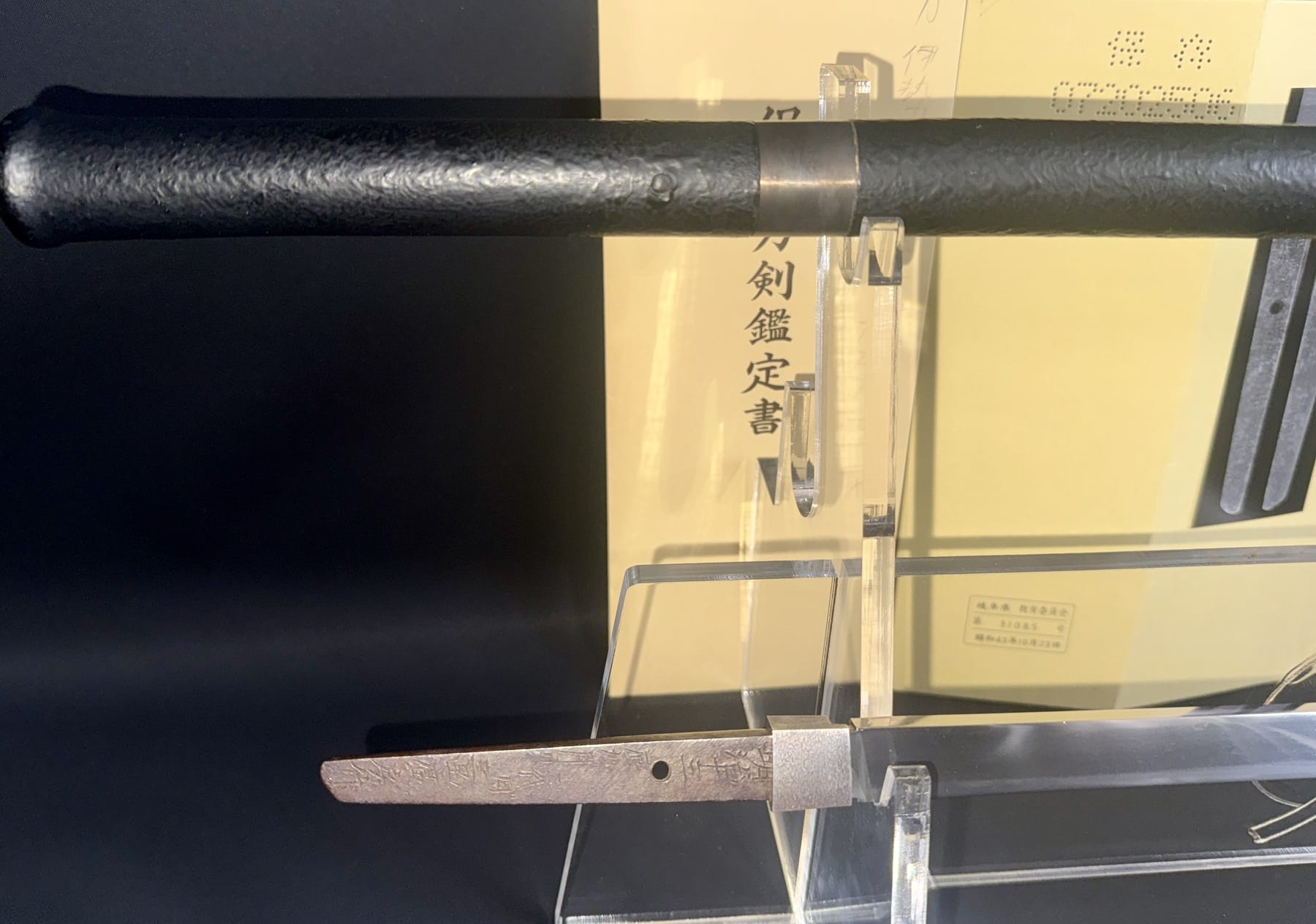
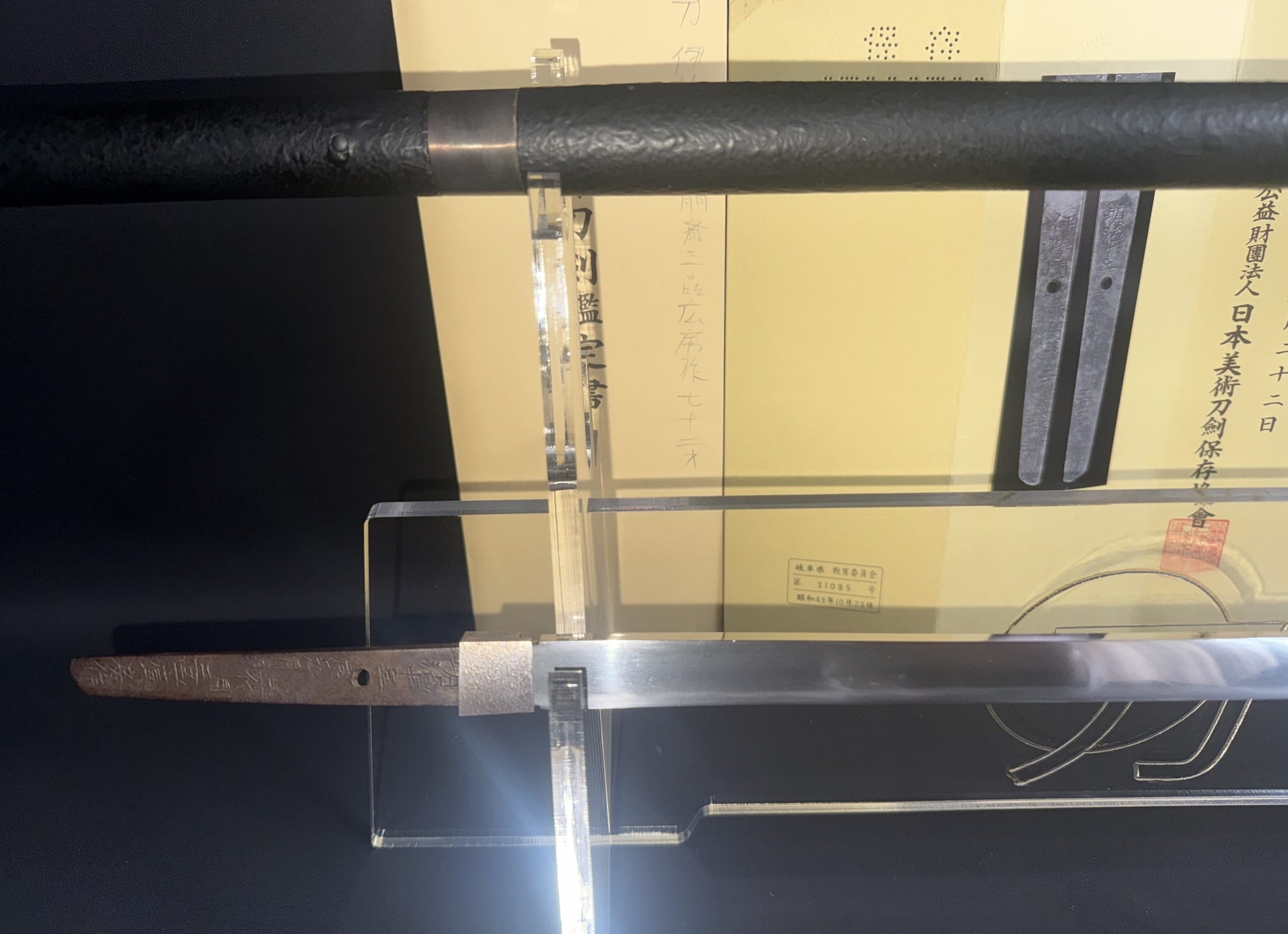
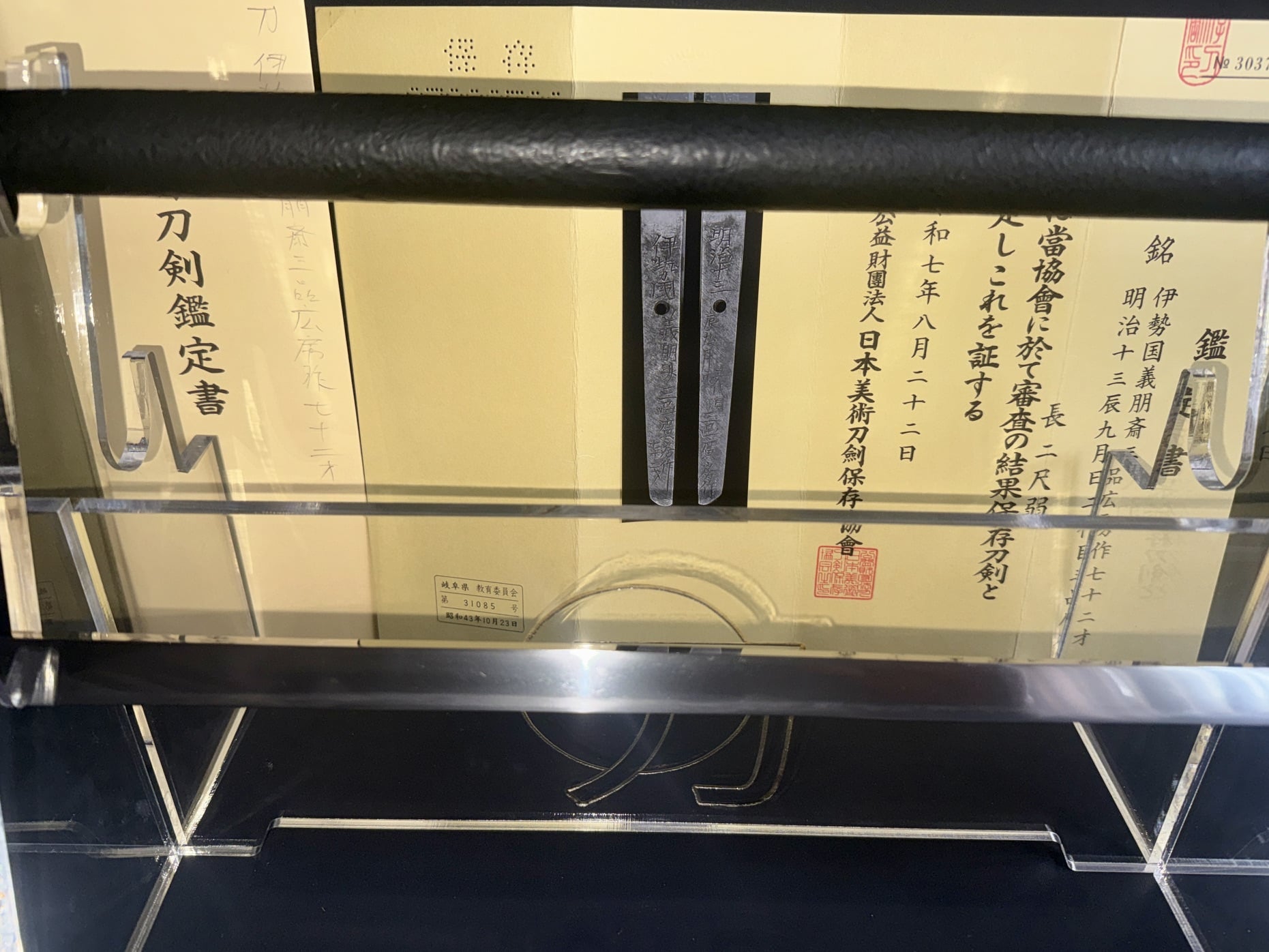
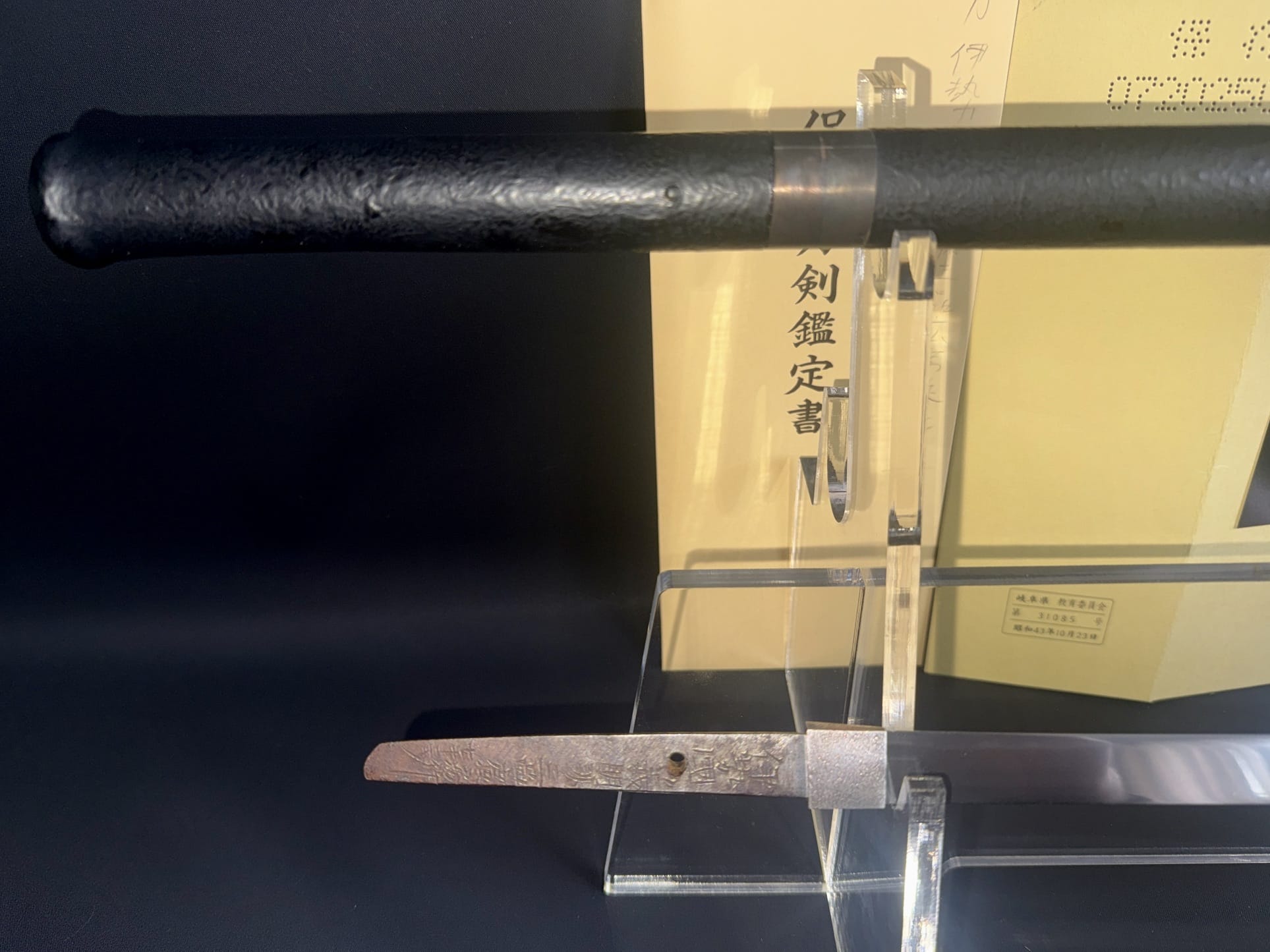
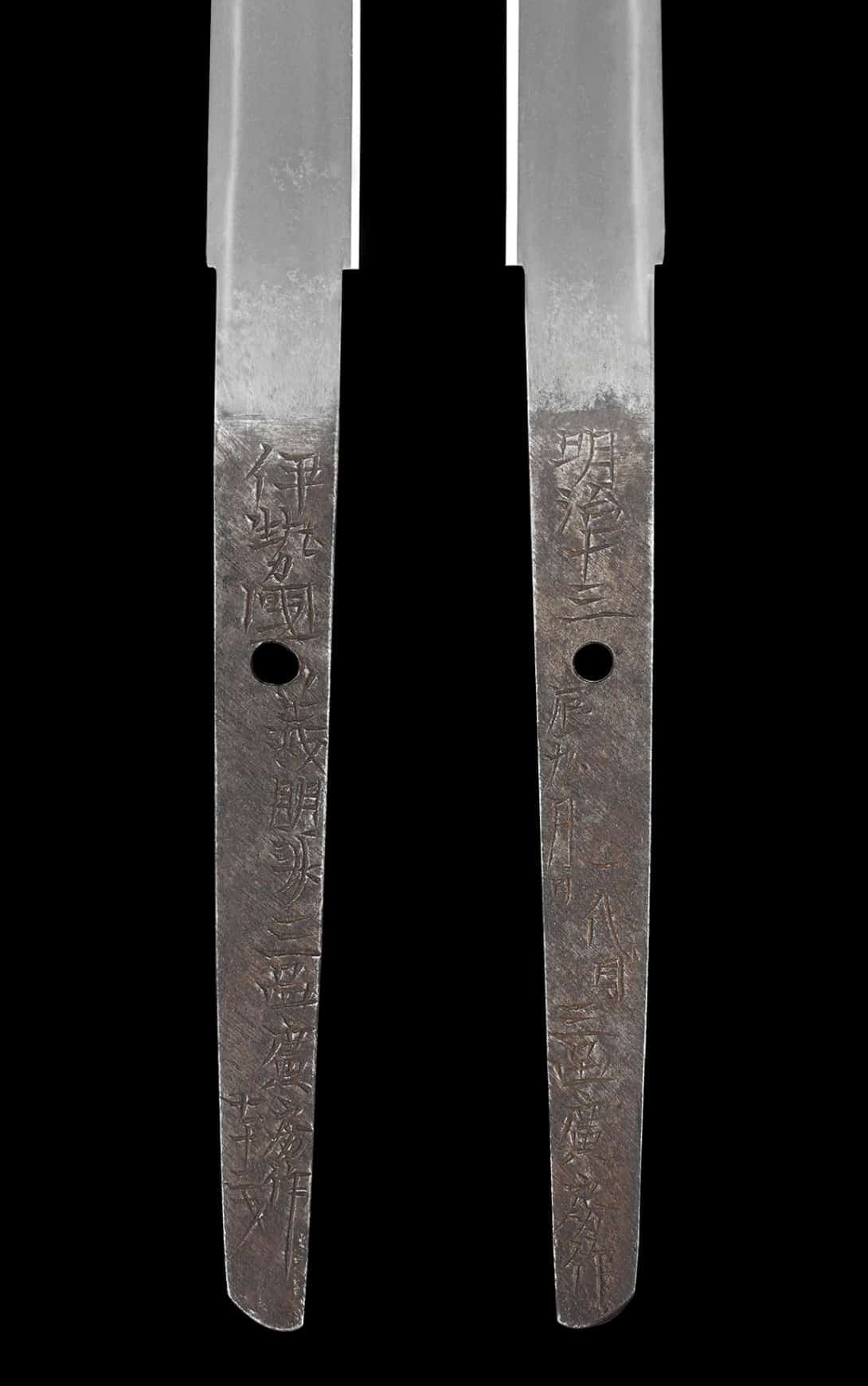
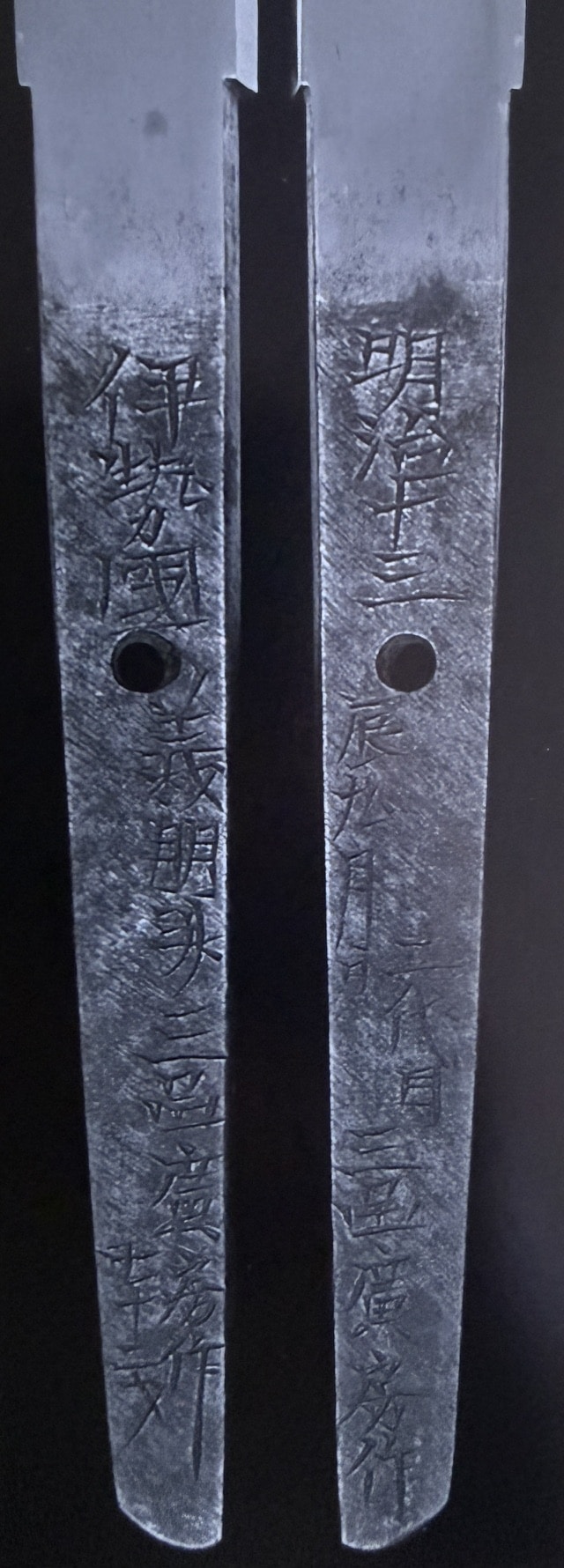
The blade carries an extraordinary inscription stating that it was made in collaboration between the first and second generations of Hirofusa, while the elder master was already 72 years old at the time of forging. The date corresponds to Meiji 13 (1880), Year of the Dragon, second day of the ninth month. Such detailed and personal inscriptions are exceptionally rare within Japanese sword history and provide a fascinating glimpse into the final generation of traditional swordsmiths working during the dramatic modernization of Japan.
This sword has received NBTHK Hozon Token certification, confirming its authenticity and importance as a preserved Japanese art sword.
Giho-sai Hirofusa belonged to the famous Mishina lineage of swordsmiths, descending from the celebrated Mutsu no Kami Daido school. The Daido tradition was renowned for highly refined workmanship and advanced forging techniques during the Momoyama and Edo periods. The Kuwana branch became particularly respected for blades of exceptional quality, with historical references noting that swords produced there were sometimes capable of imitating older masterpieces so convincingly that they became known as Kuwana-uchi.
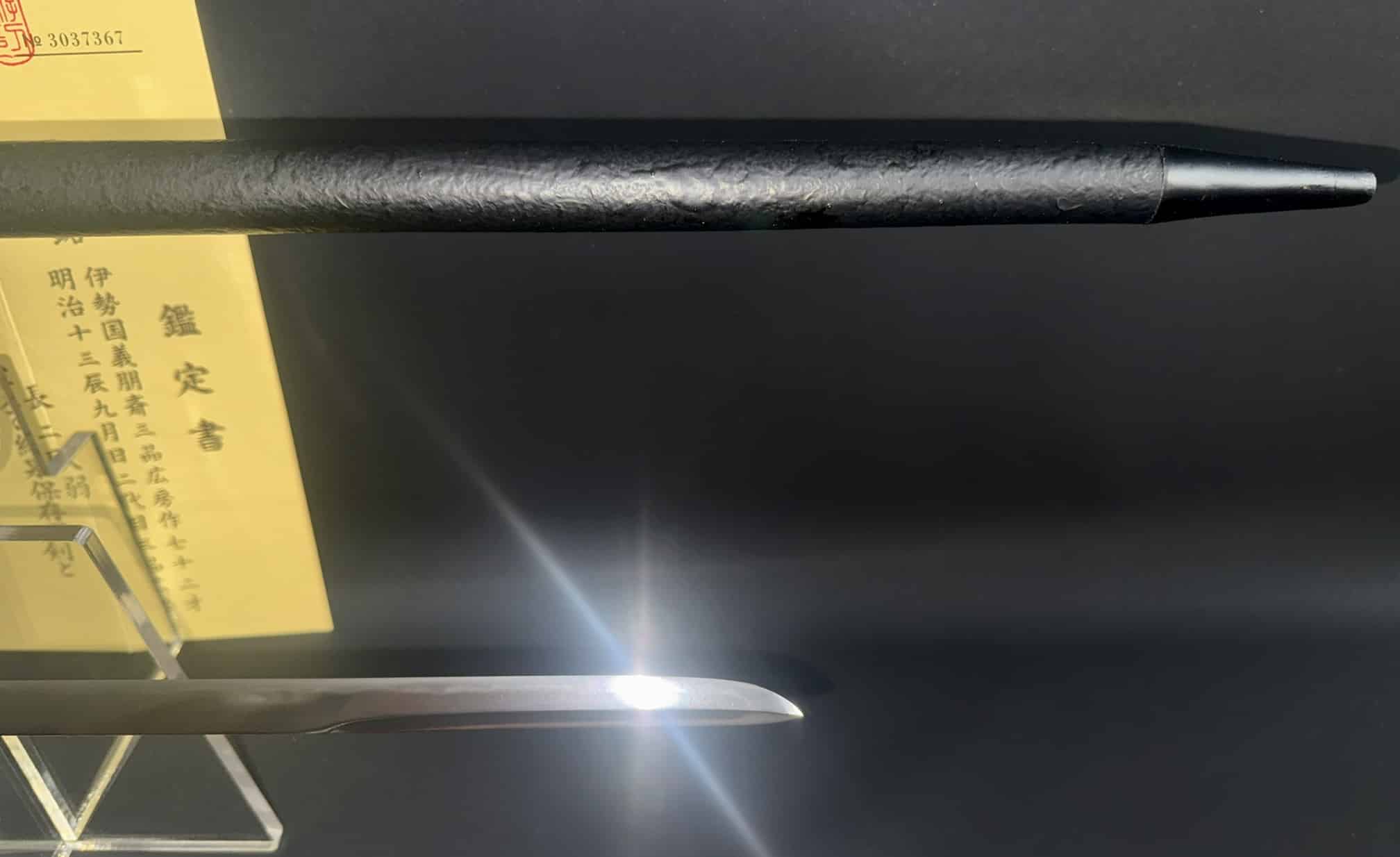
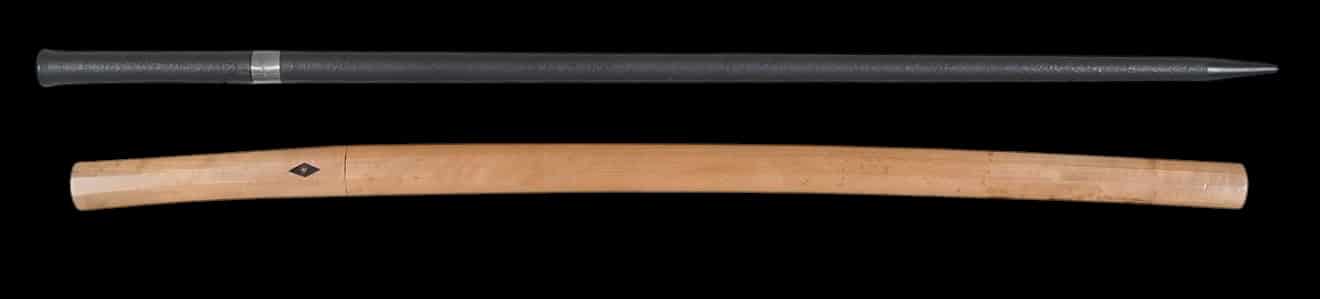
Unlike ordinary katana, this piece was intentionally created as a hidden weapon. The elegant black lacquered walking cane conceals a fully functional sword within, reflecting the changing realities of Meiji Japan. During this period the samurai class was disappearing, sword carrying became increasingly restricted, and discreet weapons such as shikomizue emerged as symbols of a fading warrior culture adapting to a rapidly modernizing society.
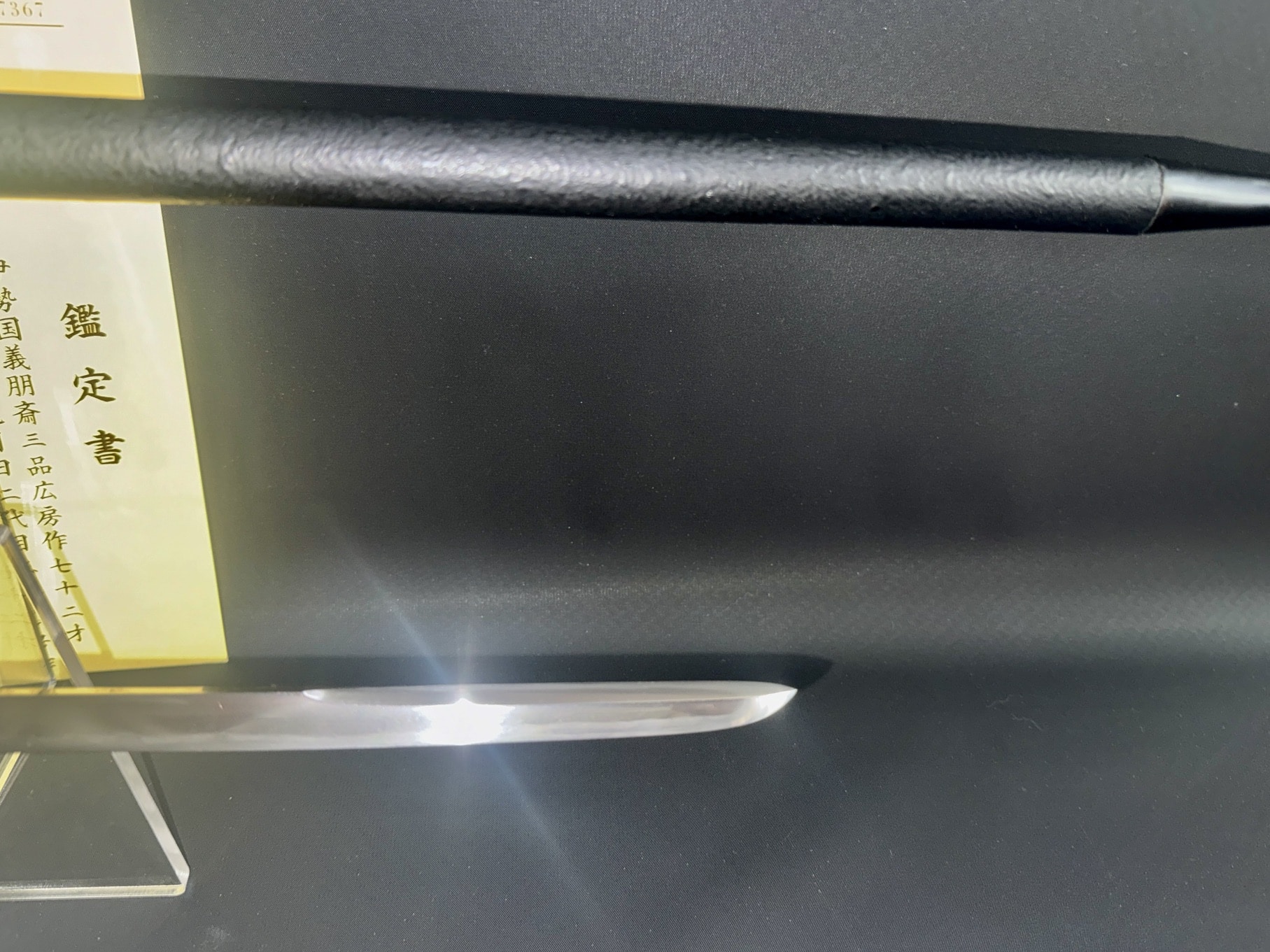
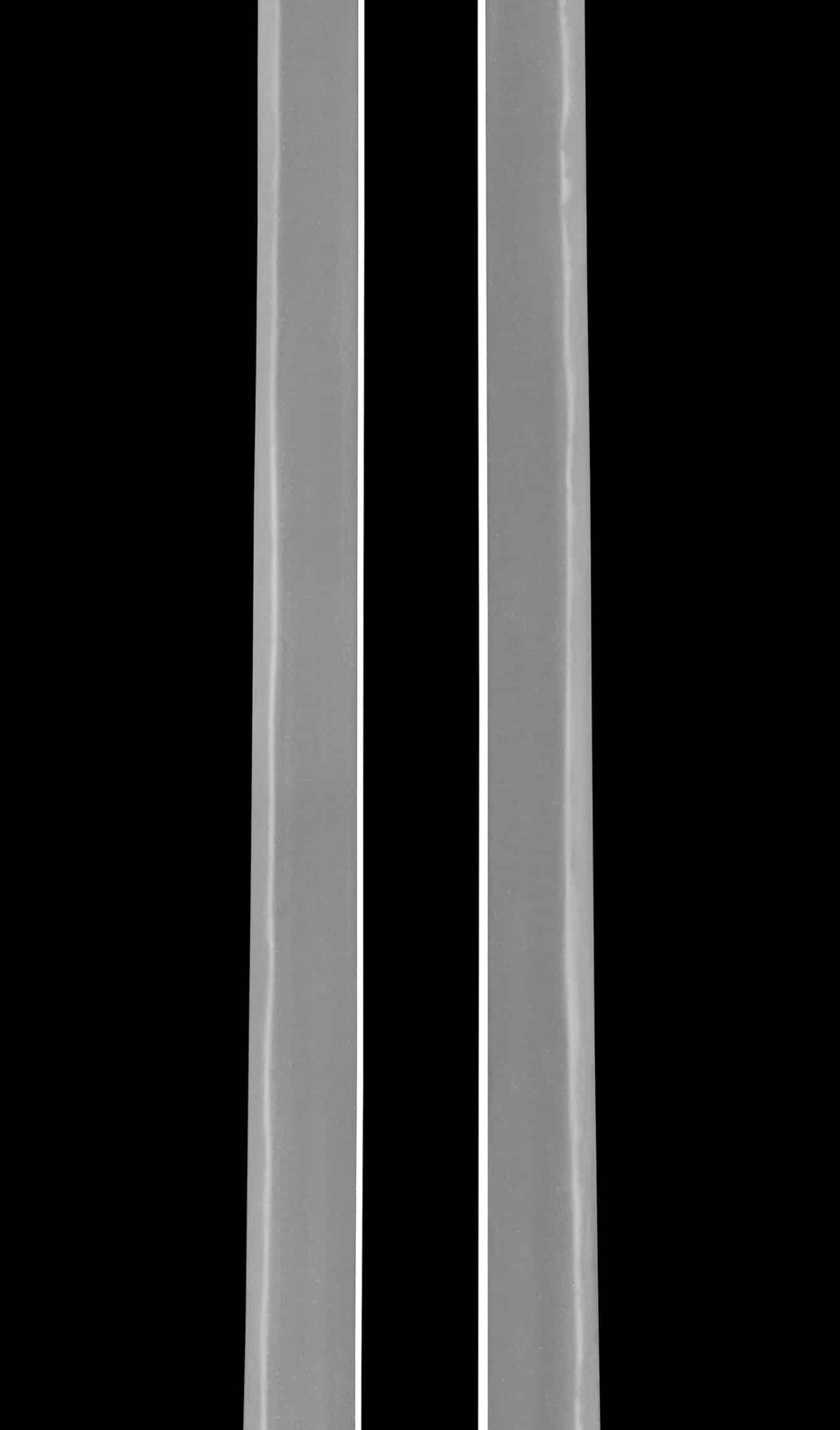
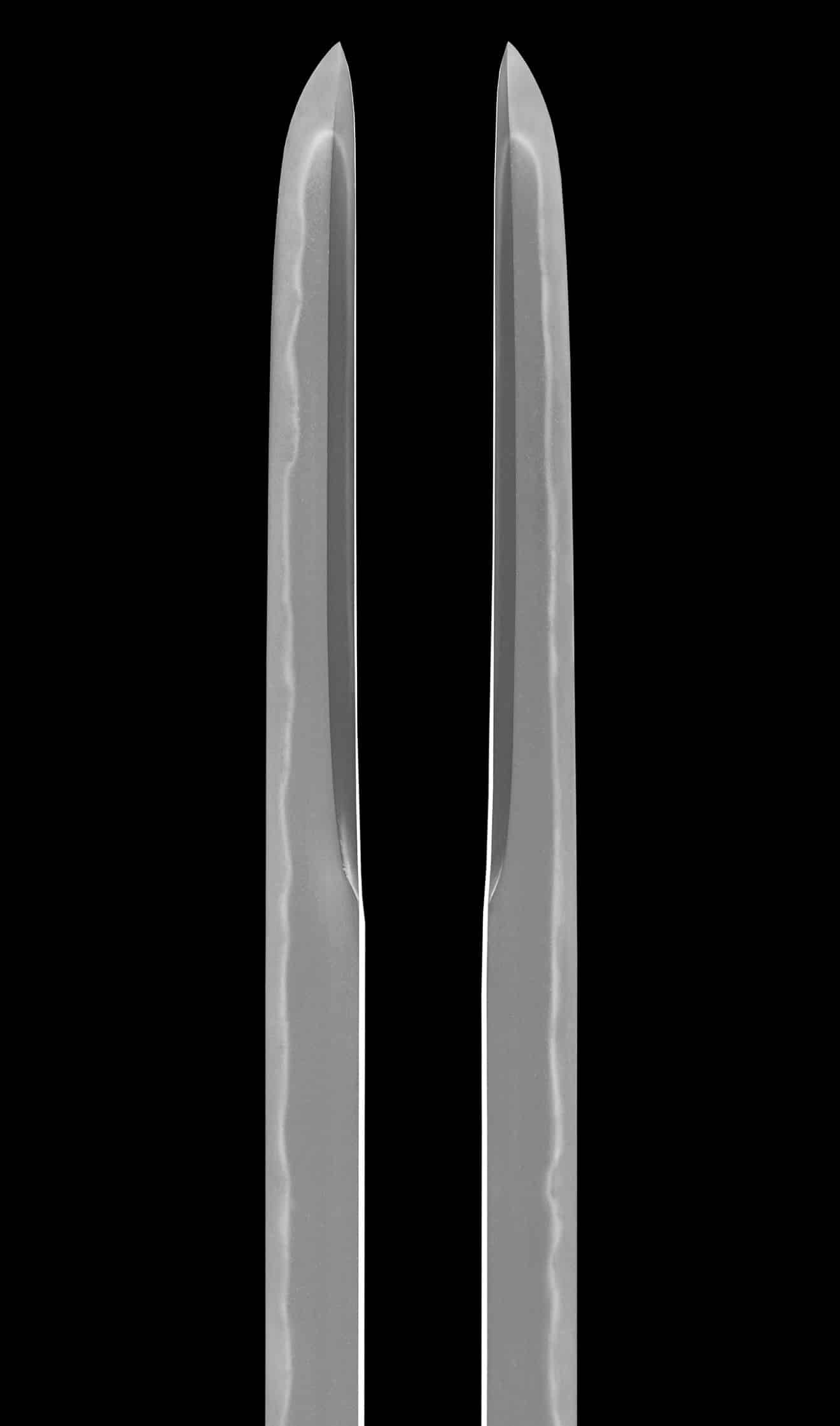
The blade itself possesses a striking and refined appearance. Measuring 60.4 cm in length with no curvature, the sword has a powerful and practical sugata perfectly suited to the shikomizue style. The impressive kasane of nearly 9.8 mm gives the blade an unusually solid and robust feeling rarely encountered in concealed swords. Its straight construction and elegant proportions create a severe and sophisticated aesthetic characteristic of late nineteenth-century Japanese craftsmanship.
Specifications
Smith: Giho-sai Hirofusa (Mishina Hirofusa)
Province: Kuwana, Ise Province
Period: Meiji 13 (1880)
Certification: NBTHK Hozon Token
Type: Shikomizue / concealed sword cane
Blade length: 60.4 cm
Sori: 0 cm
Width at hamachi: 1.8 cm
Kasane: 9.8 mm
Mekugi-ana: 1
Authentic Meiji-period shikomizue with NBTHK papers are exceptionally rare today, especially examples carrying such important historical inscriptions and direct links to the Mishina tradition. This piece represents not only a fascinating hidden weapon, but also an important surviving document from the closing years of traditional Japanese sword culture.
A rare and historically important concealed samurai sword from the final era of classical Japanese swordsmithing.
Kyodai Originals
KvK: 51964147
C.W. Slok - Kyodai Originals
Bank: NL25 KNAB 0509 1310 18
BIC: KNABNL2H
© 2026 Kyodai Originals is made with ❤ by Nieuwblik.com


