
€ 5.500,00
1 in stock
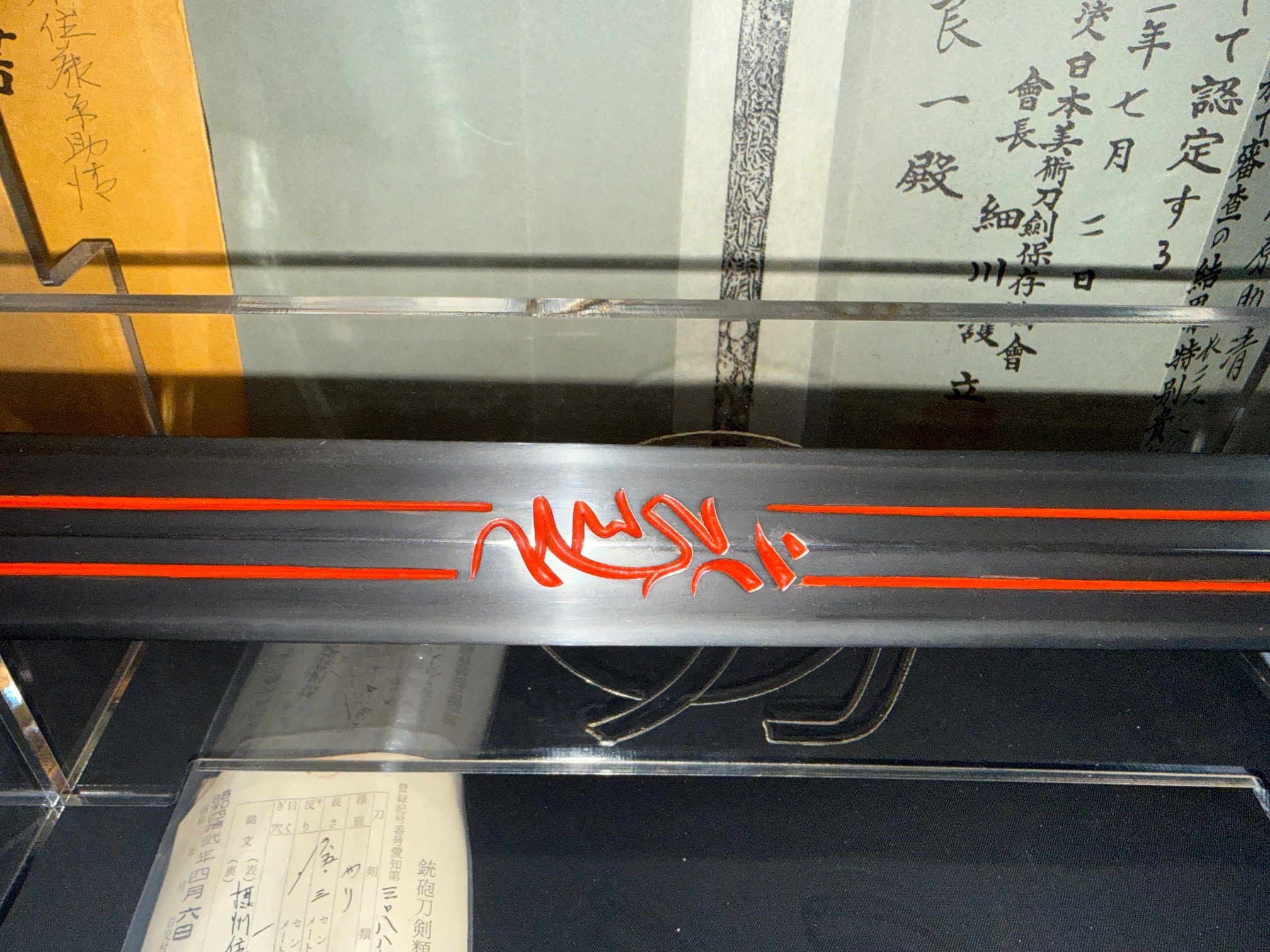
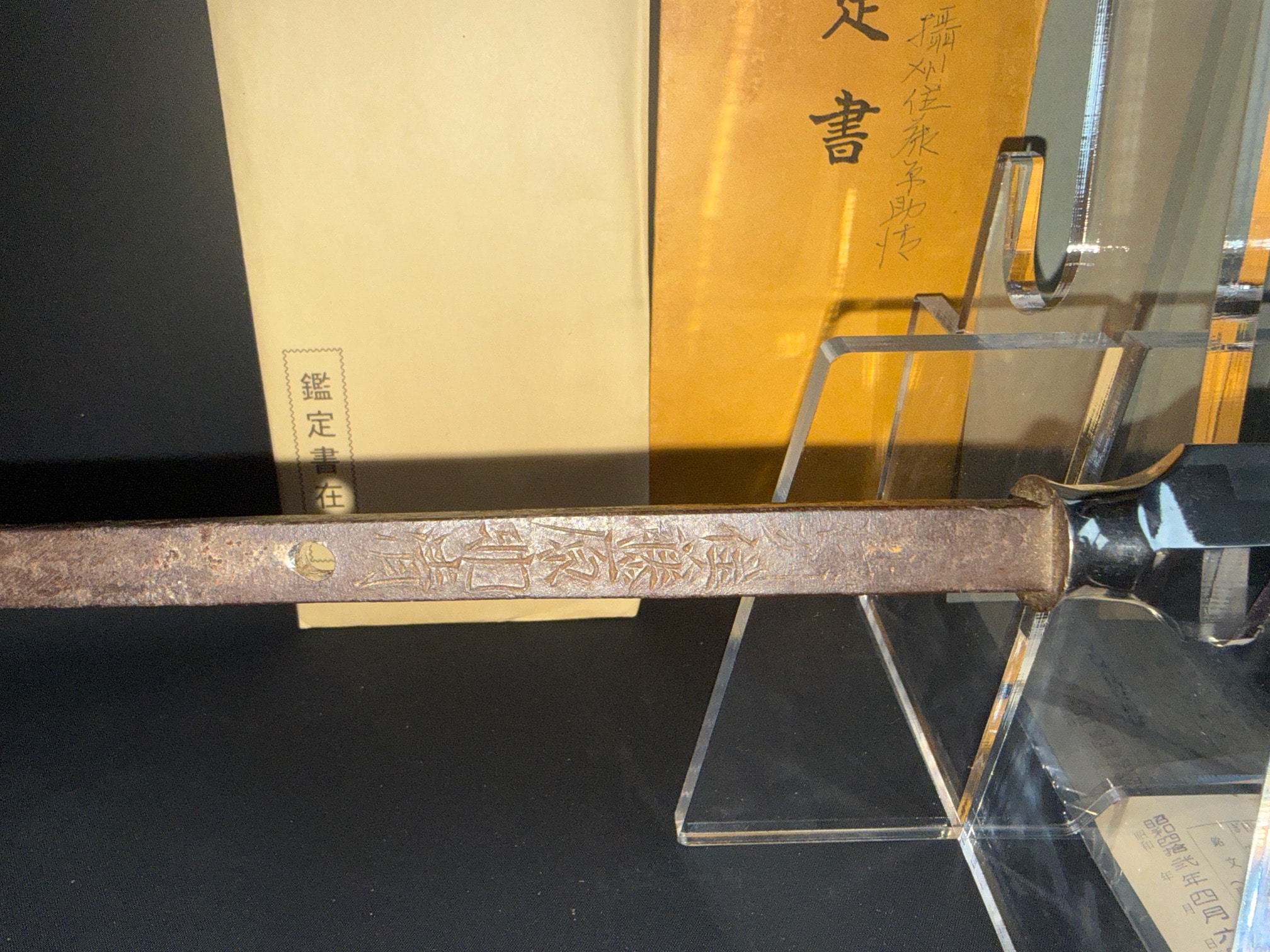
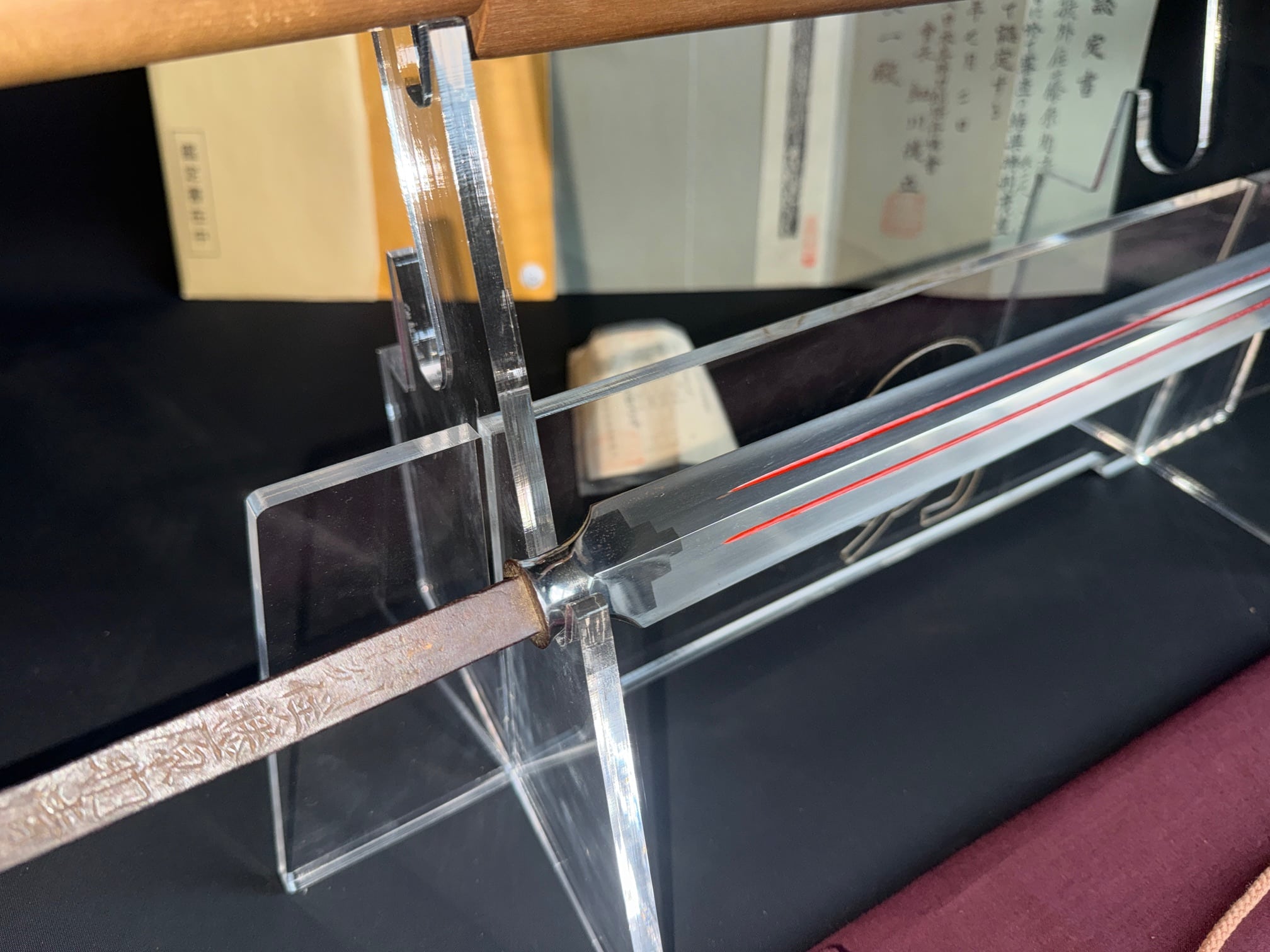
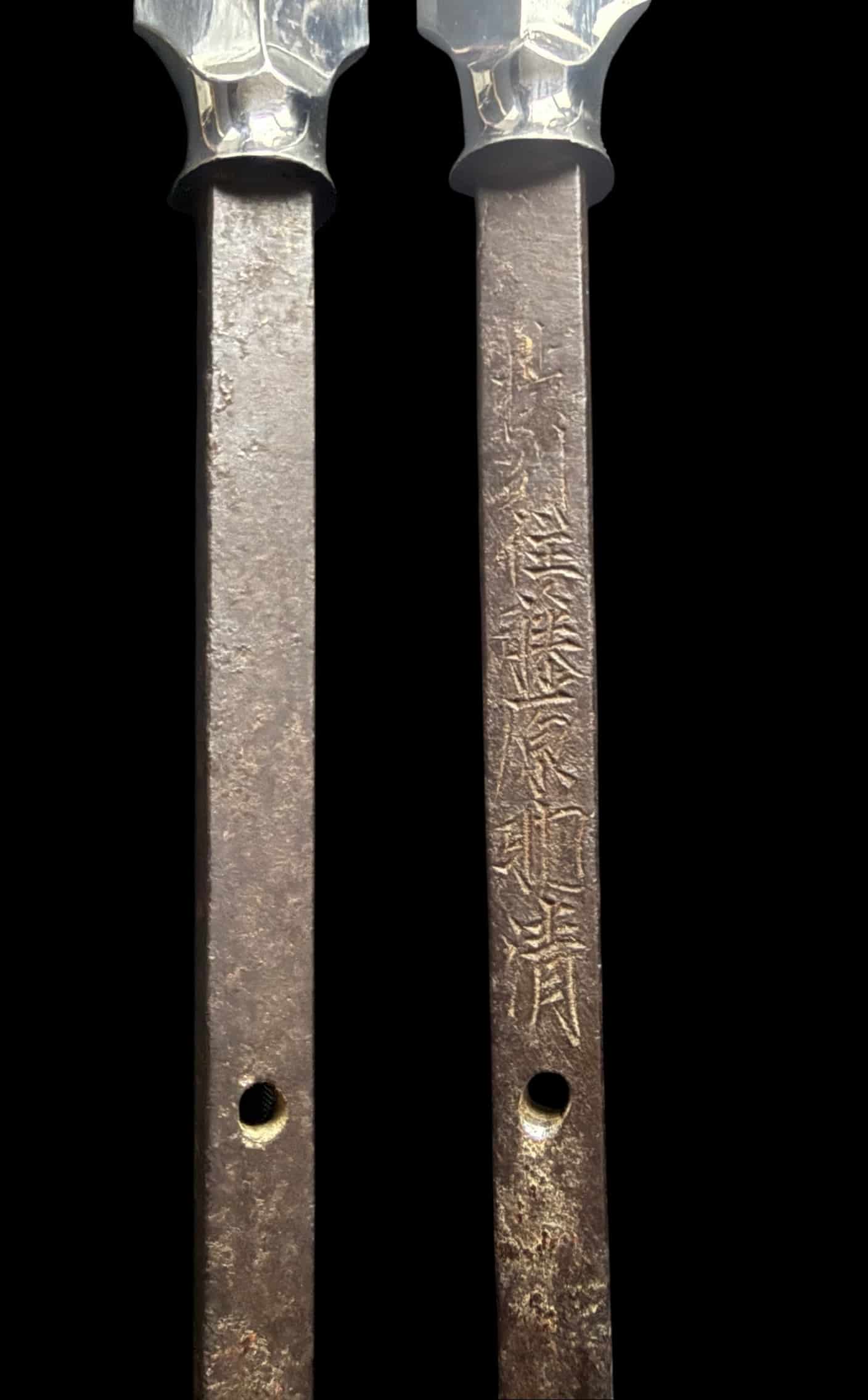
Signed: Sesshū jū Fujiwara Sukekiyo
Settsu Province (Osaka), Kanbun–Enpō era (1661–1673)
Blade length: 2 shaku (60.6 cm)
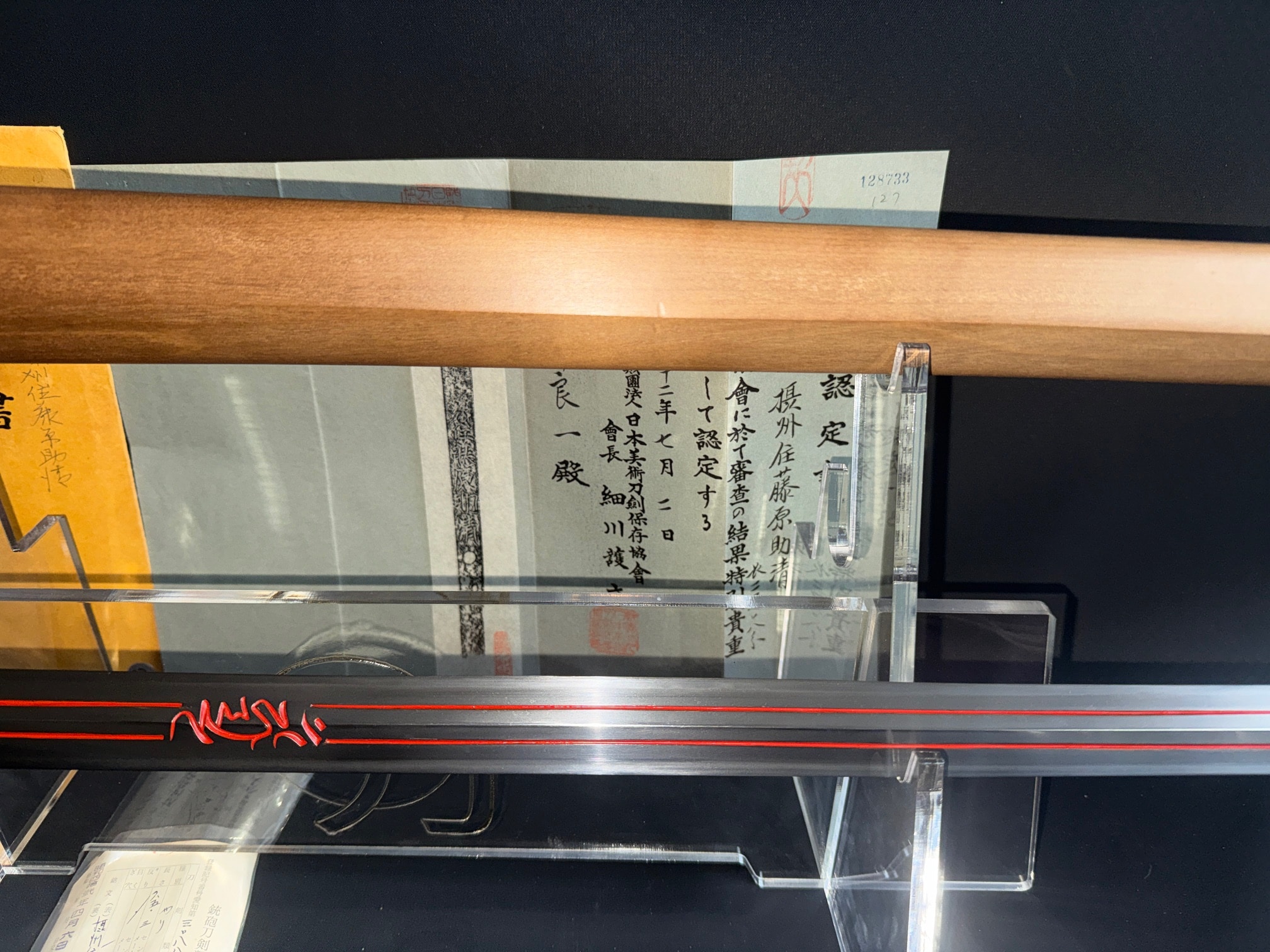
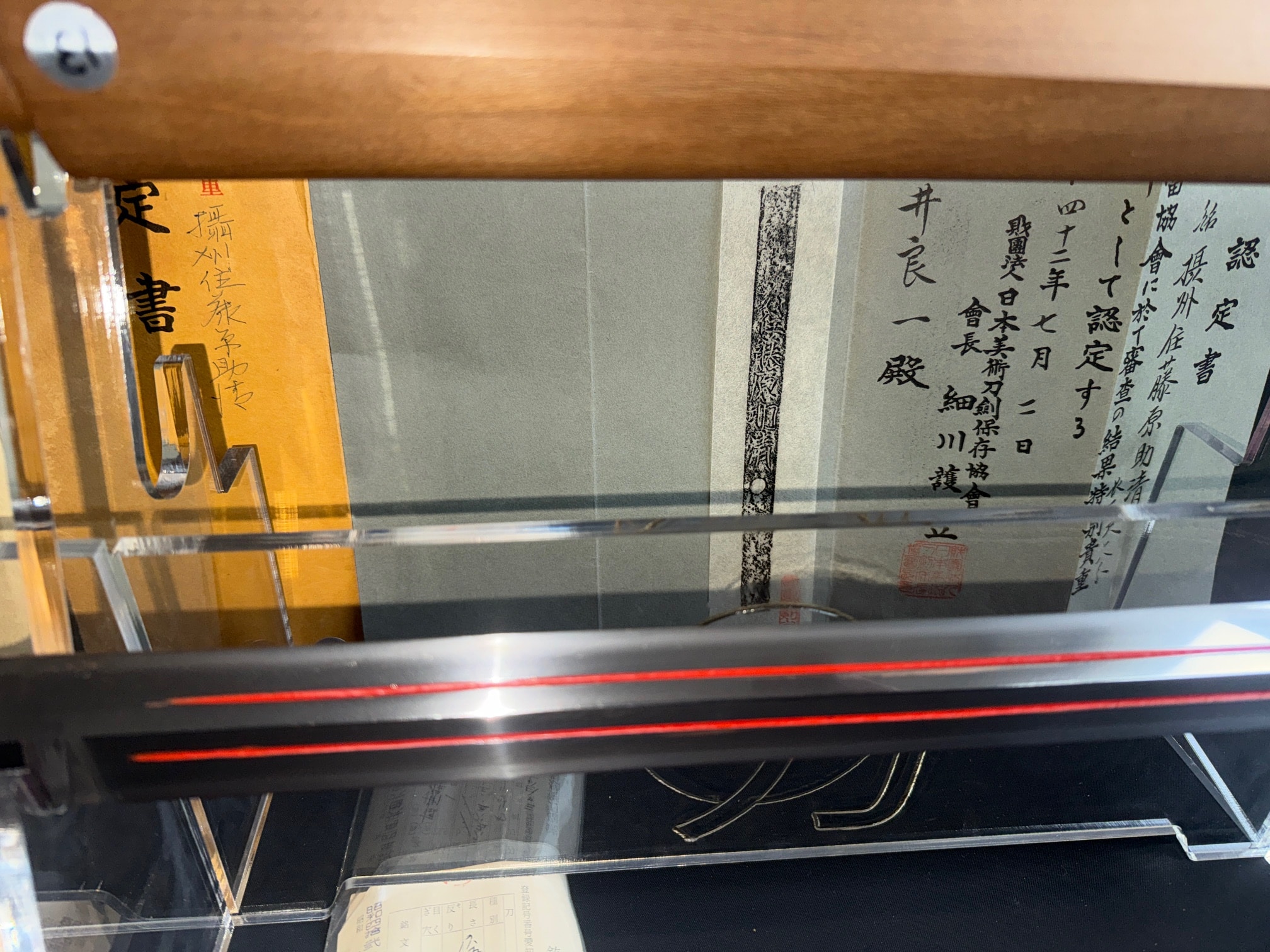
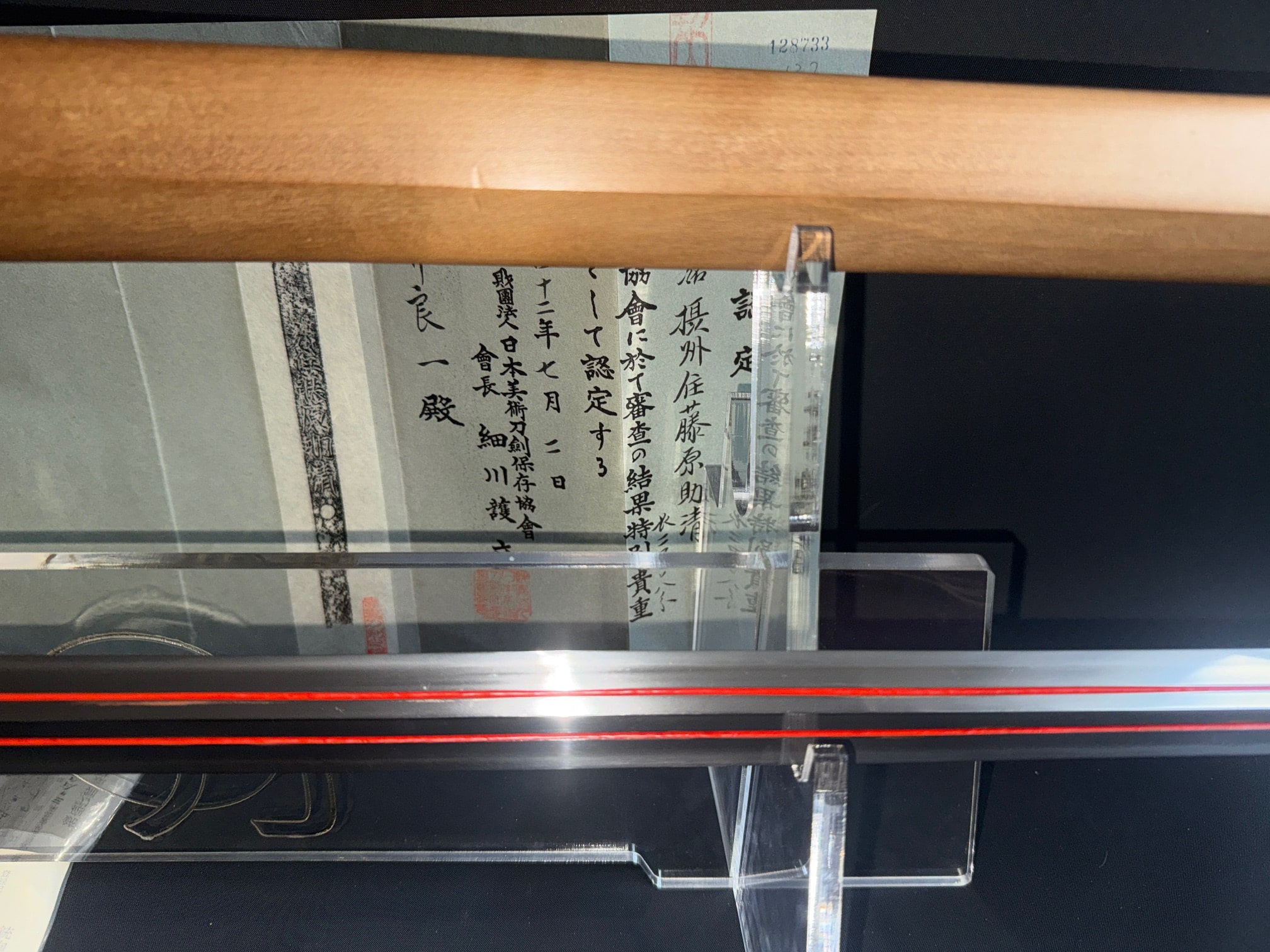
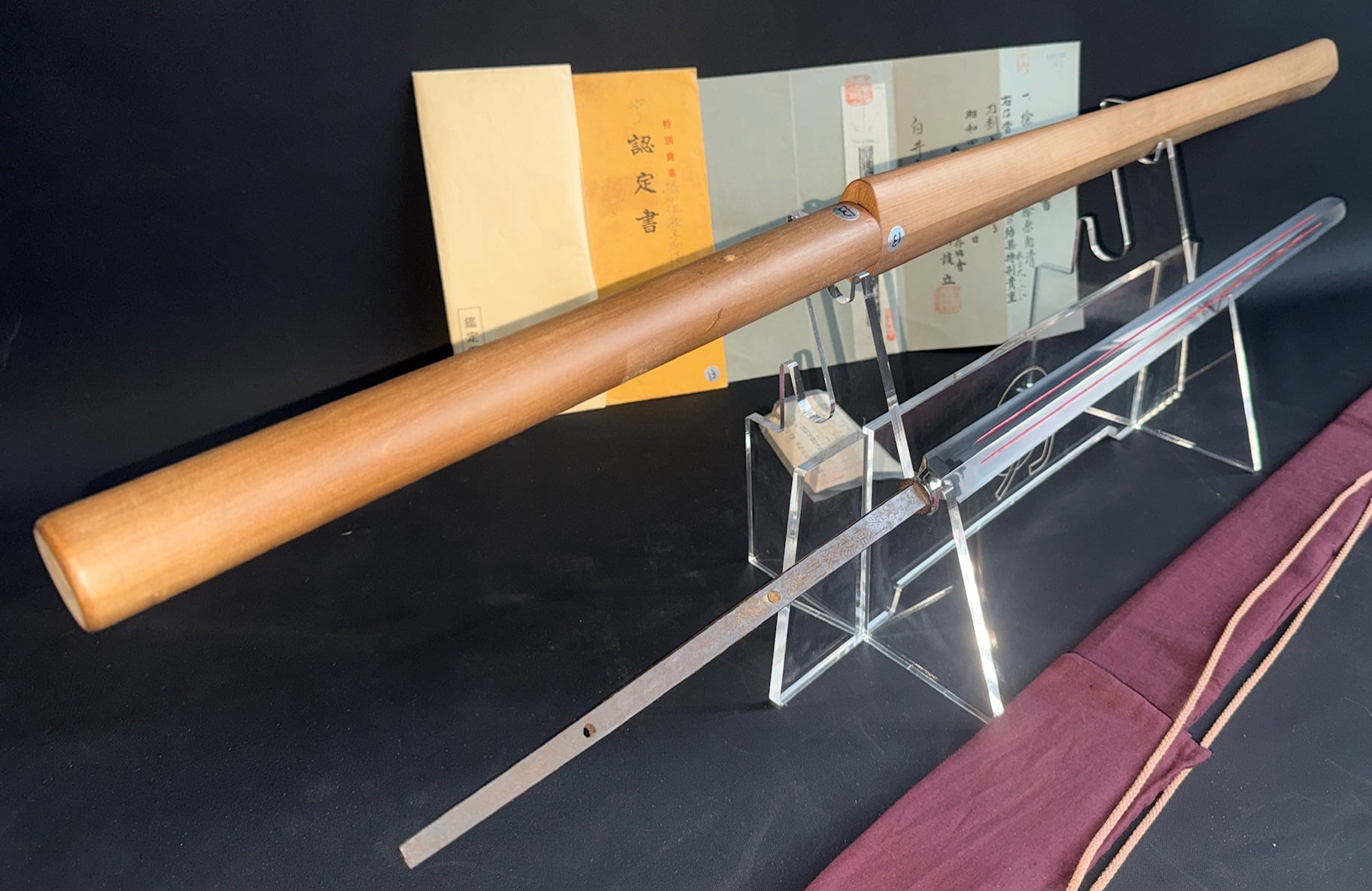
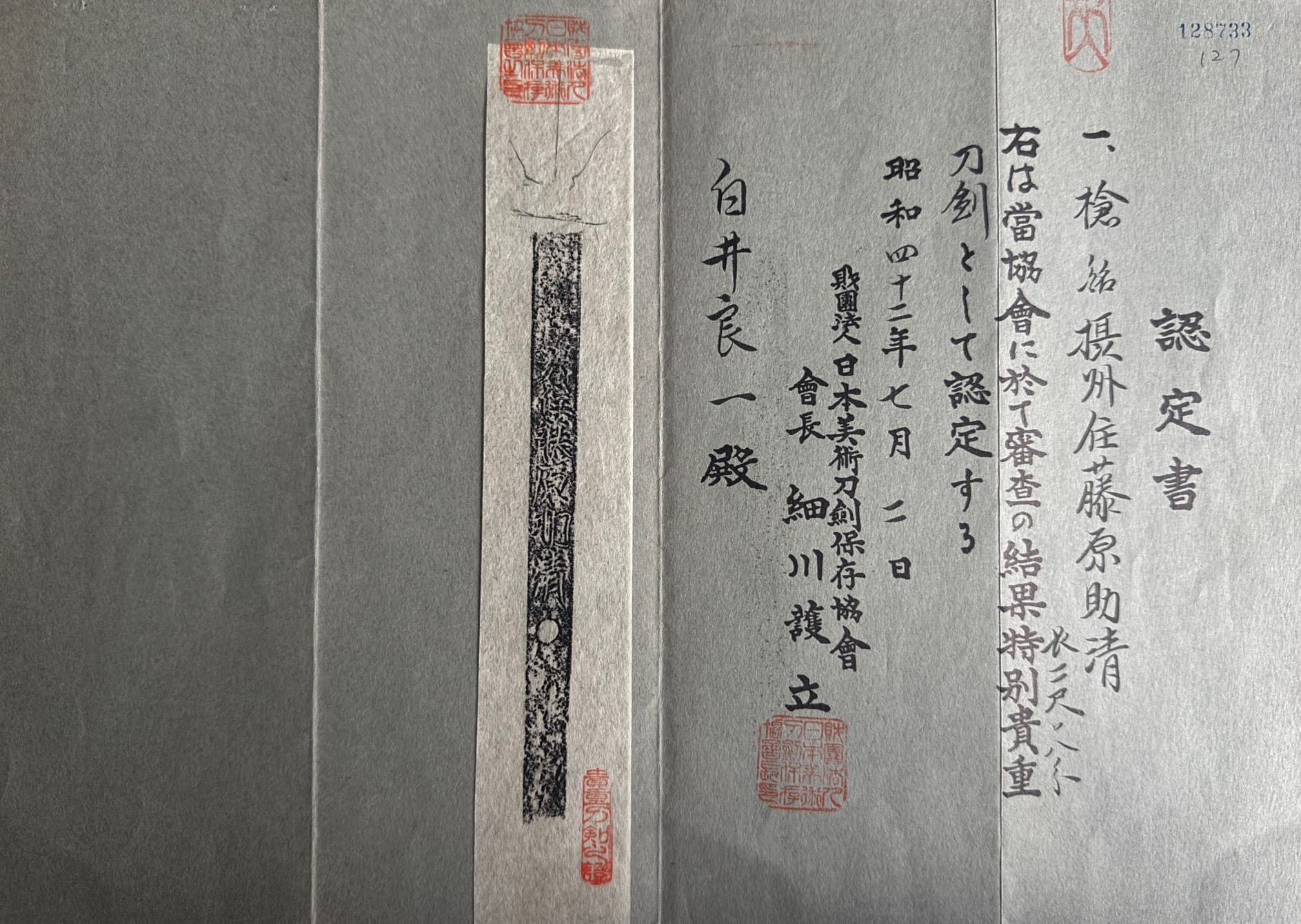
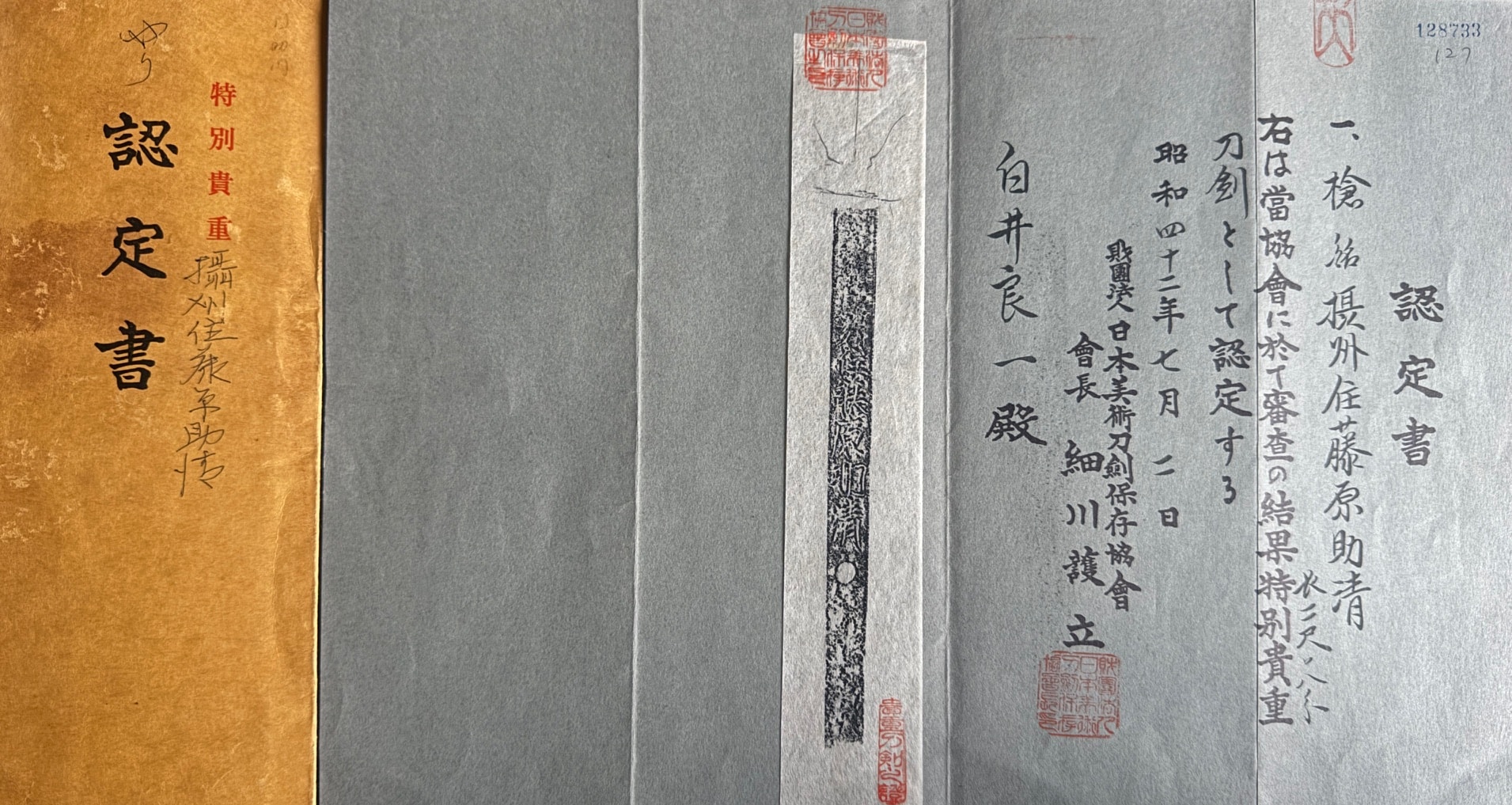
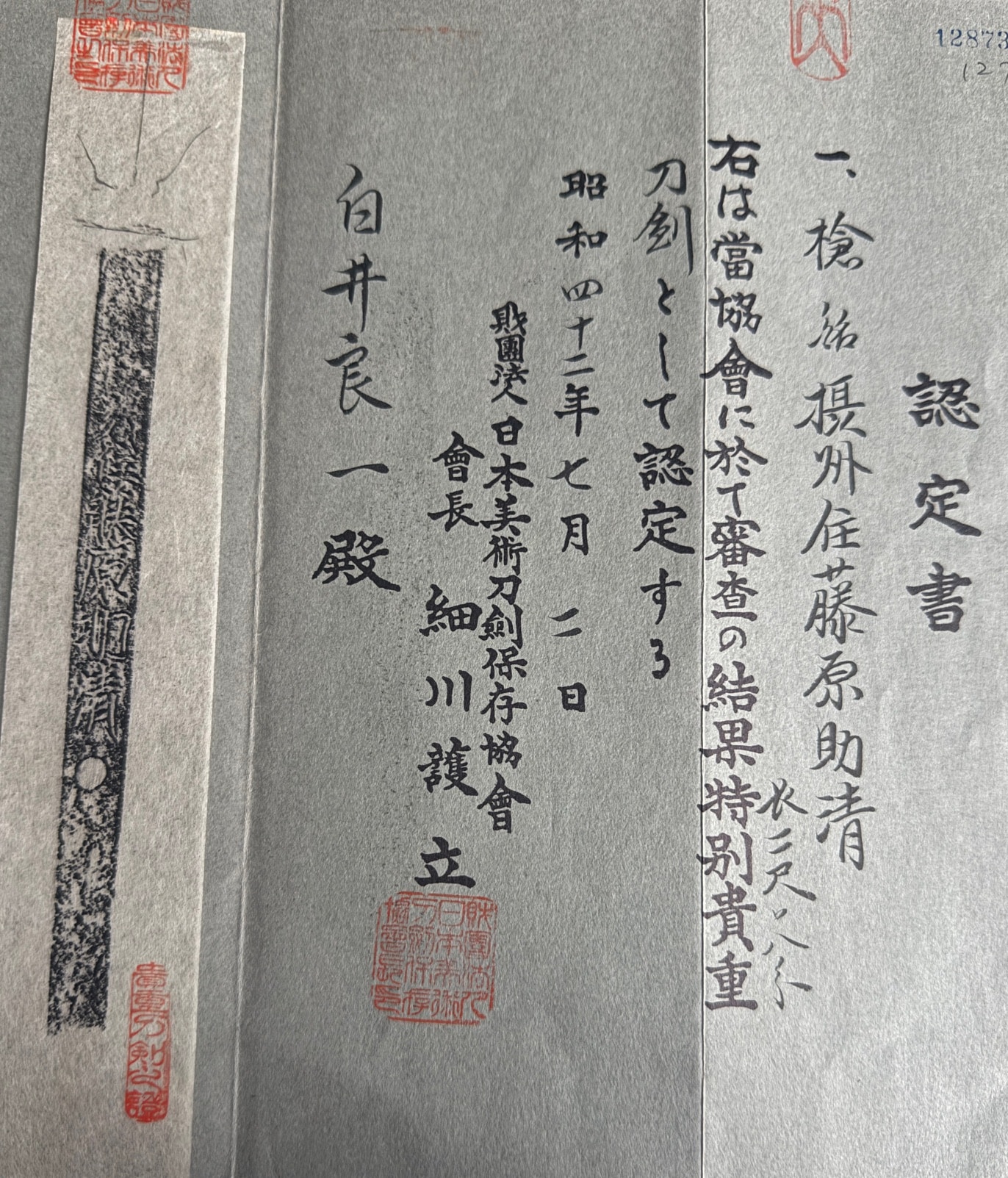
NBTHK Tokubetsu Kichō, July 2, 1967
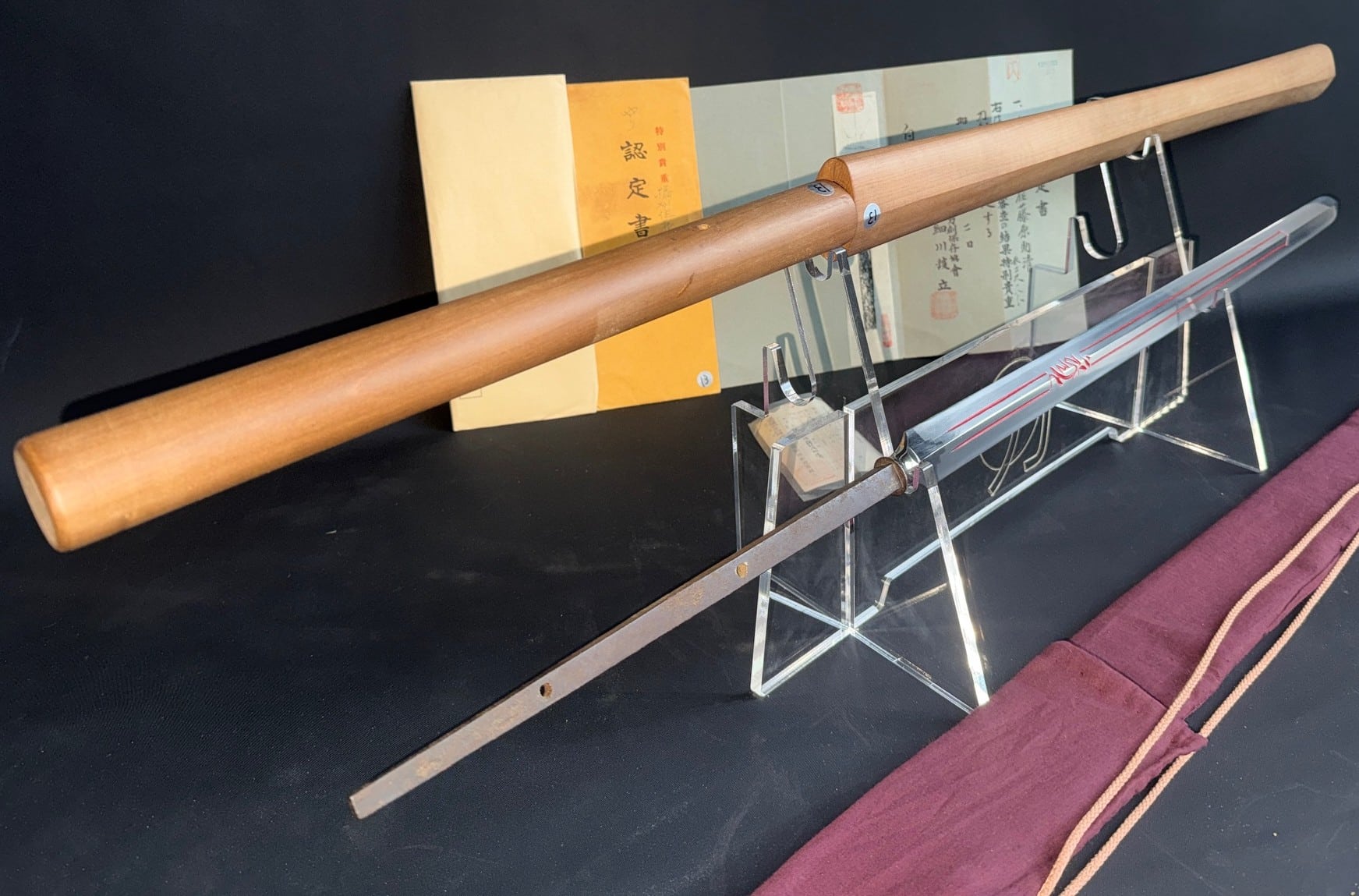
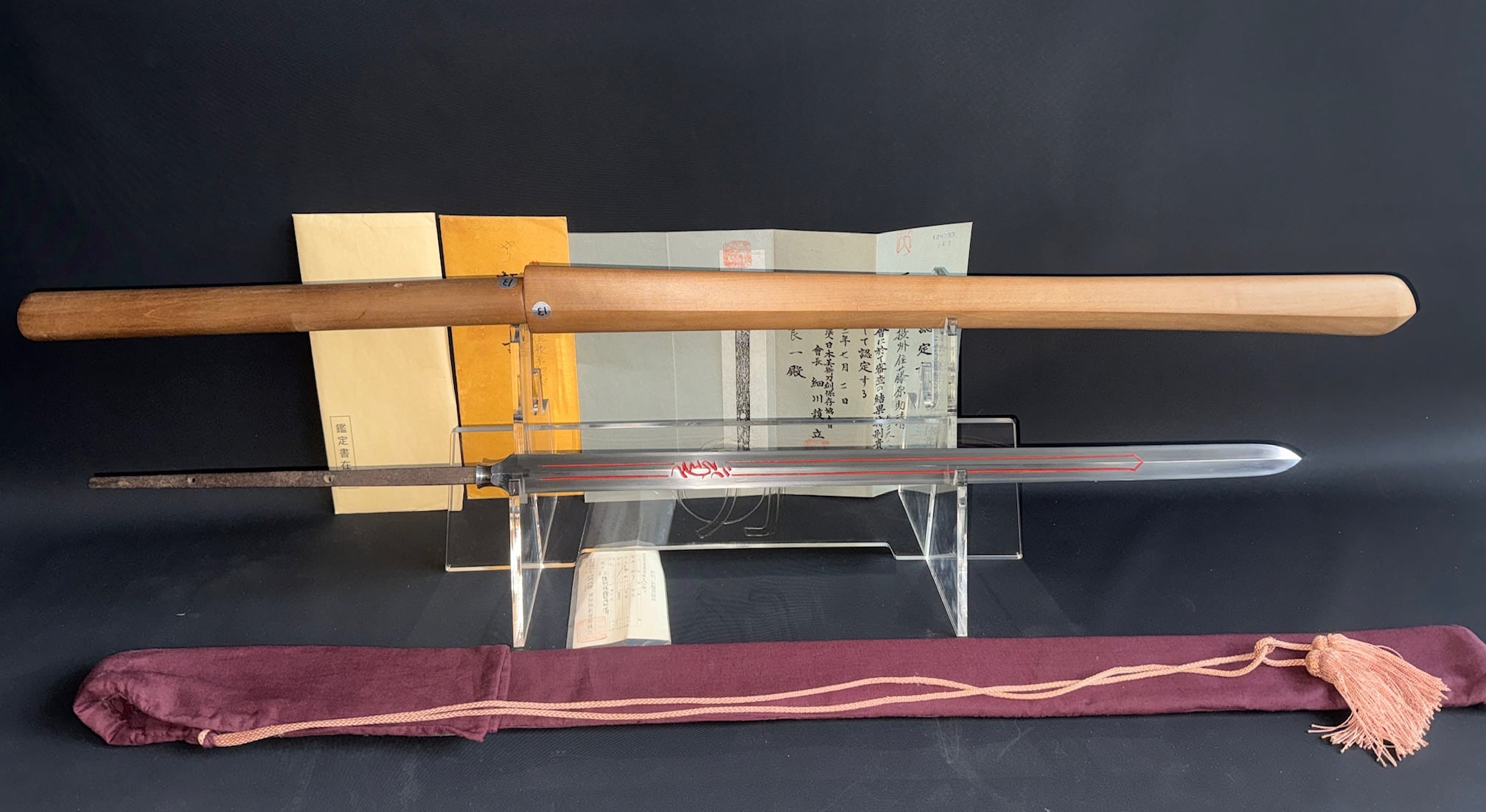
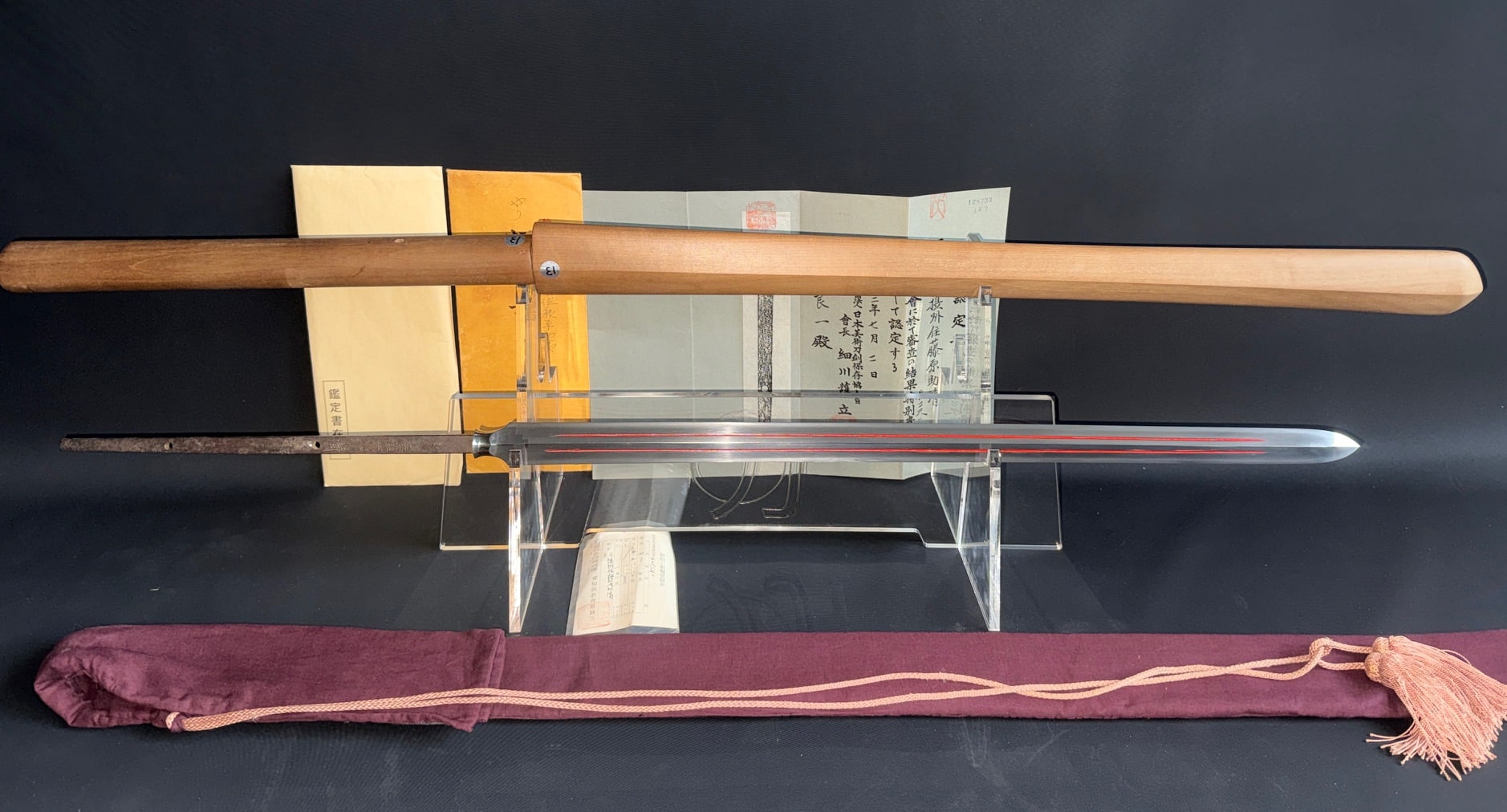
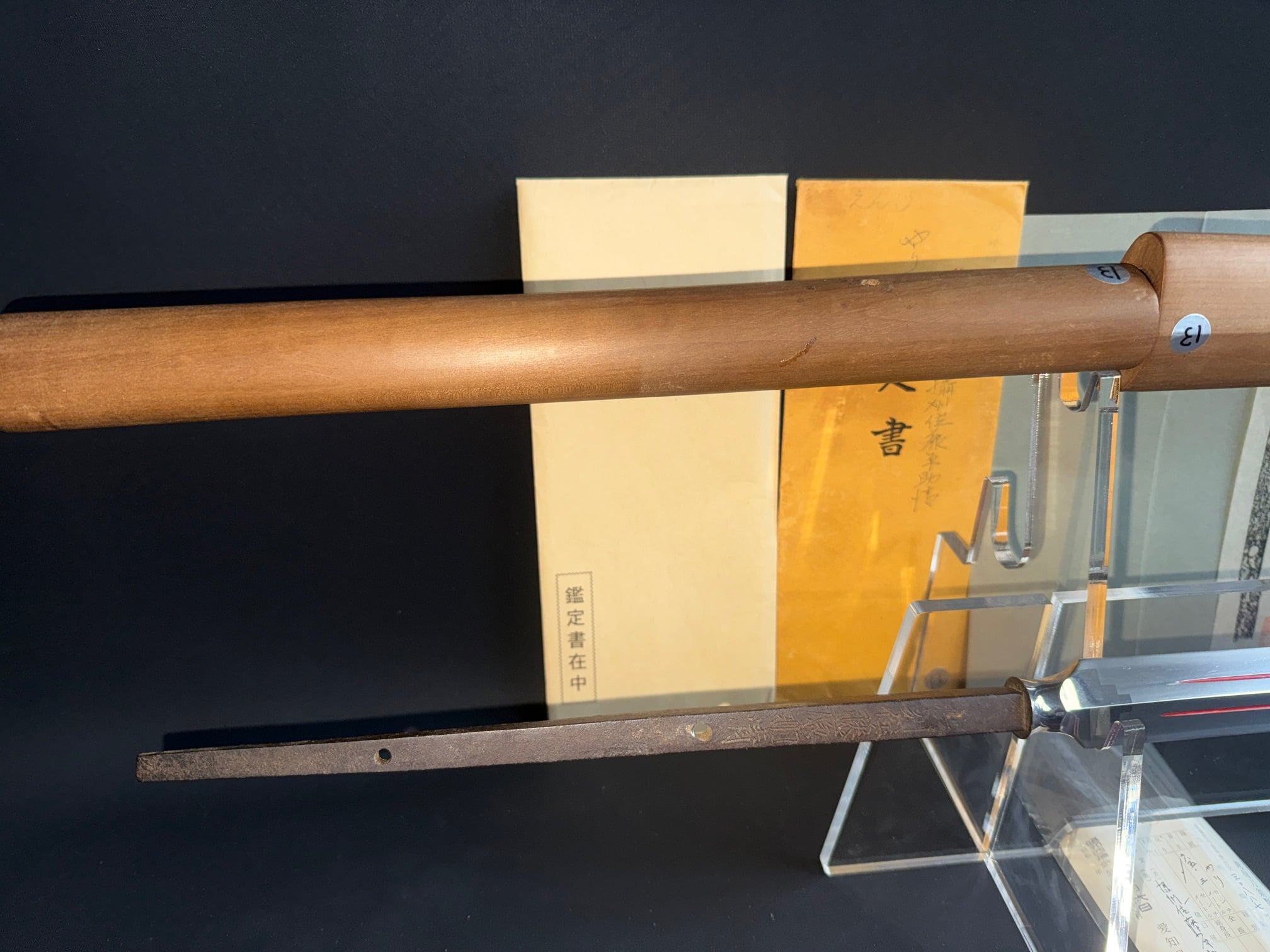
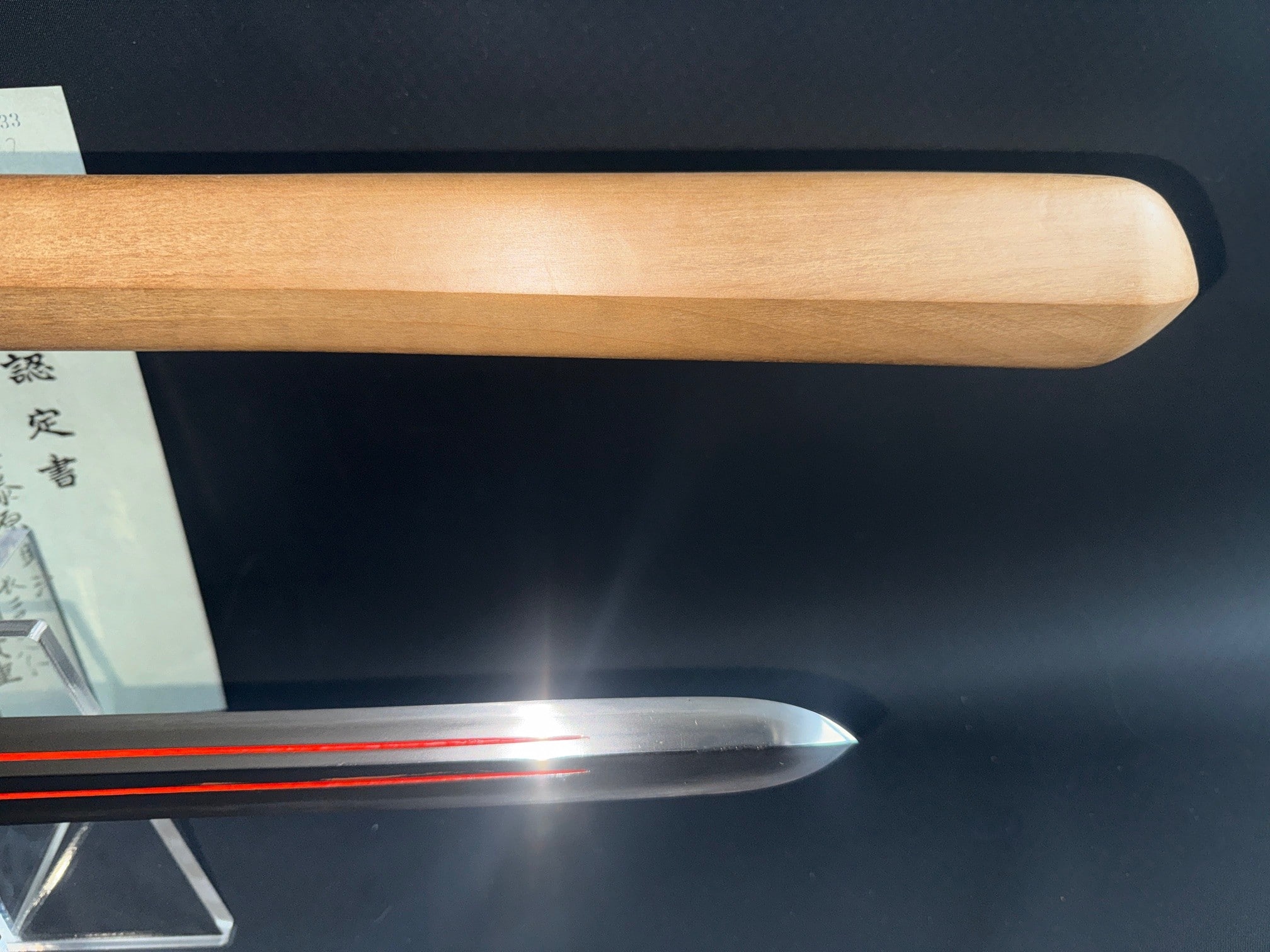
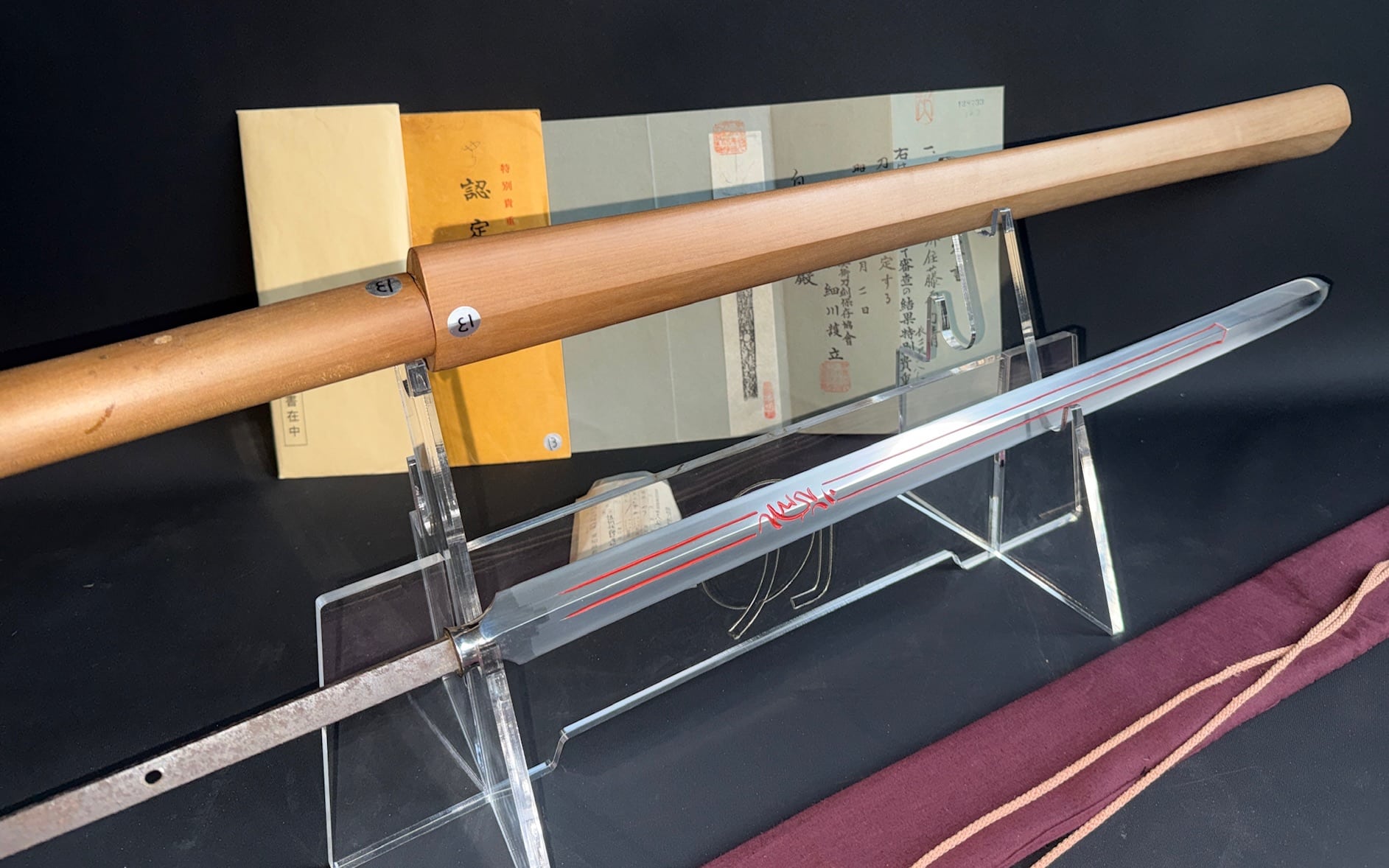
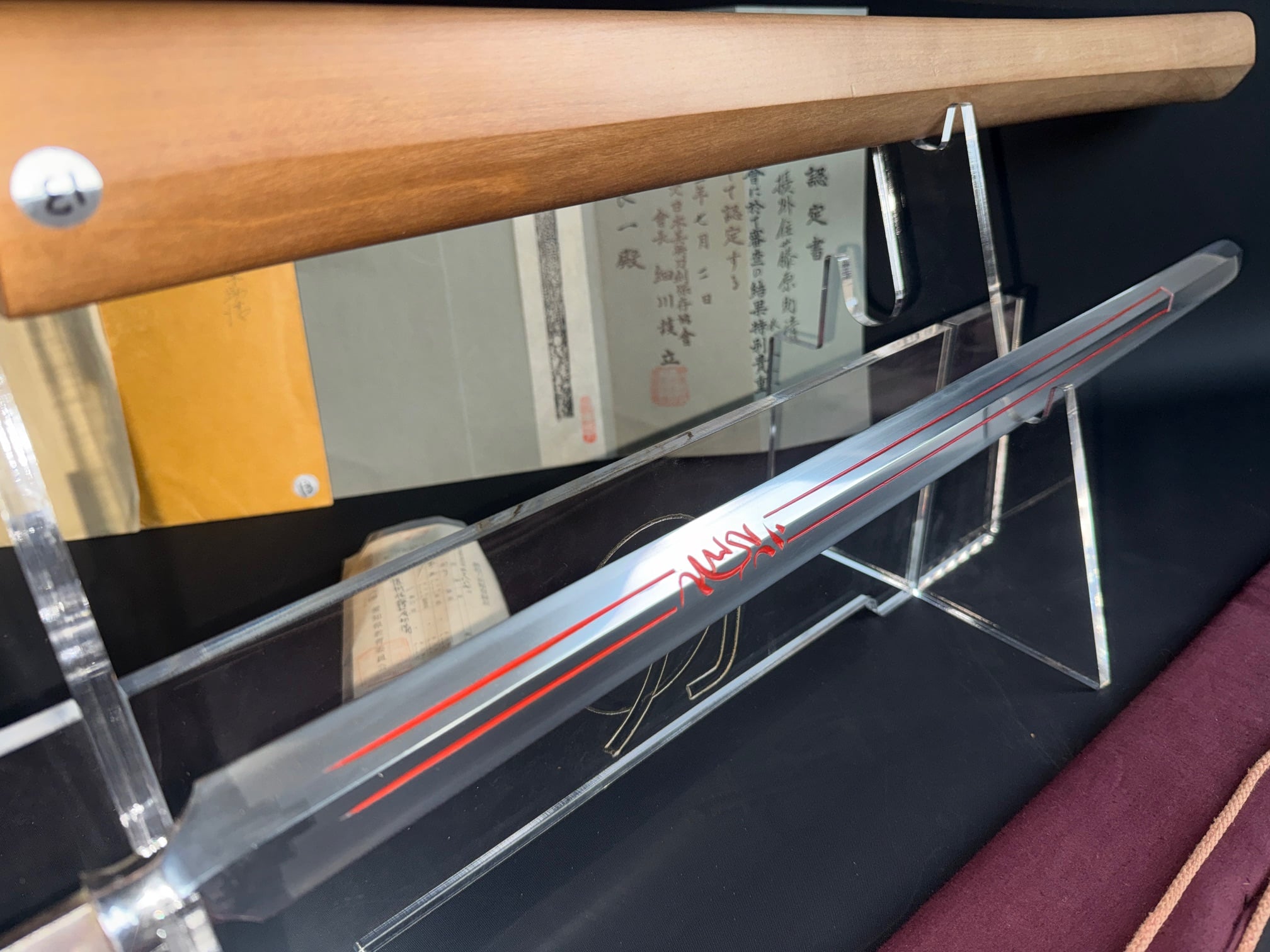
This imposing Ōmi-yari, signed Sesshū jū Fujiwara Sukekiyo, represents a refined and authoritative example of early Edo-period polearm craftsmanship from the Osaka Shintō tradition. With a substantial blade length of 2 shaku (60.6 cm), the piece possesses both martial gravitas and the disciplined aesthetic characteristic of mid-17th century Settsu Province.
During the Kanbun to Enpō era (1661–1673), Osaka stood at the forefront of Japanese sword production. In the relative peace established under Tokugawa rule, the character of arms evolved. Weapons were no longer forged primarily for battlefield survival, but also as symbols of status, authority, and cultivated taste. The Osaka Shintō school emerged as one of the most technically accomplished traditions of the period.
Leading figures such as Inoue Shinkai and Tsuda Sukehiro elevated Osaka steel to exceptional levels of refinement, producing luminous jigane, tight ko-itame hada, and brilliant nioiguchi. Within this environment, smiths such as Sukekiyo worked in a climate of technical precision and stylistic clarity.
The inscription Sesshū jū identifies the smith as a resident of Settsu Province, firmly placing the blade within the Osaka forging lineage. The use of the Fujiwara honorific reflects the classical naming conventions widely adopted during the Edo period to emphasize continuity with aristocratic heritage.
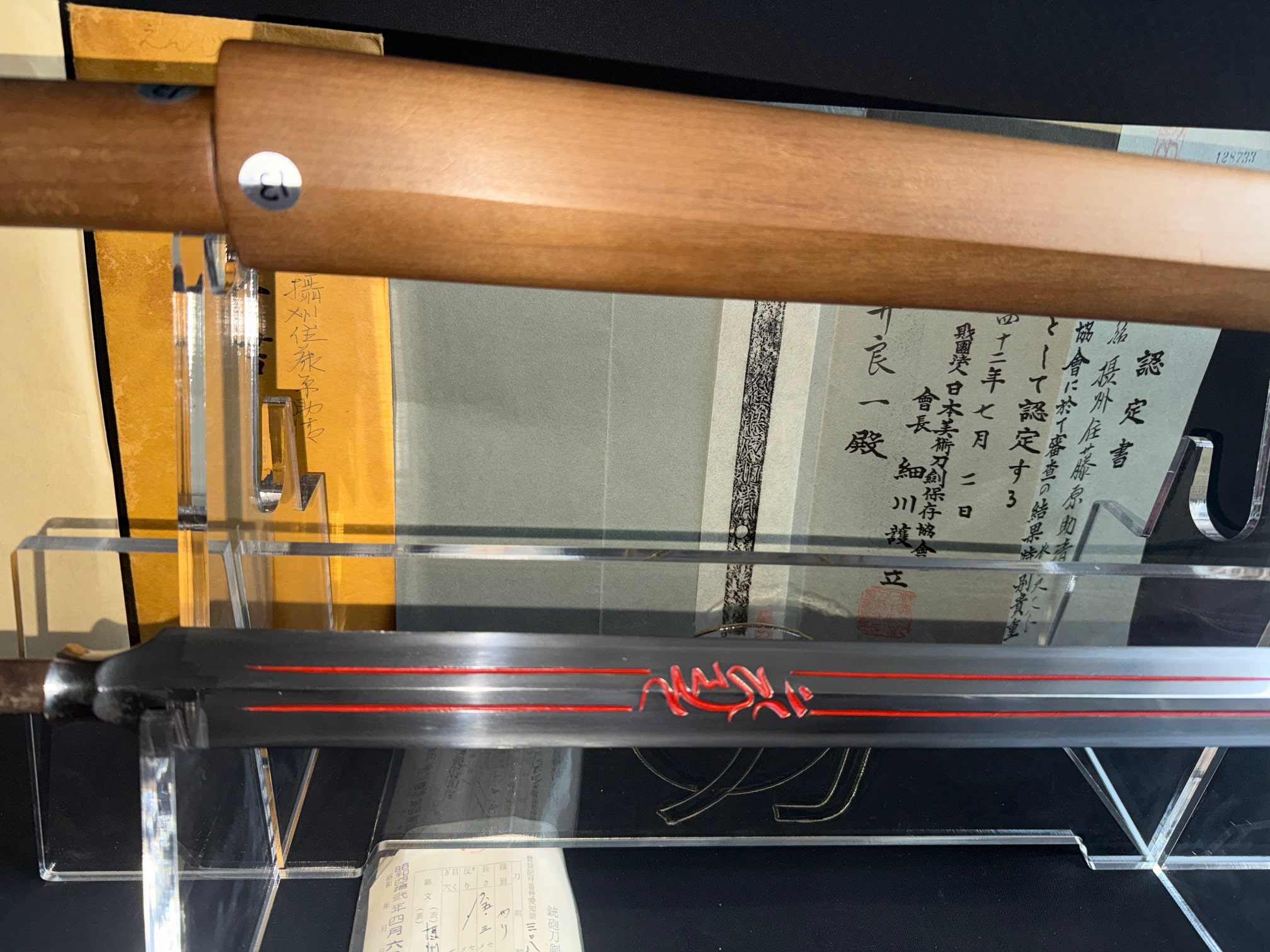
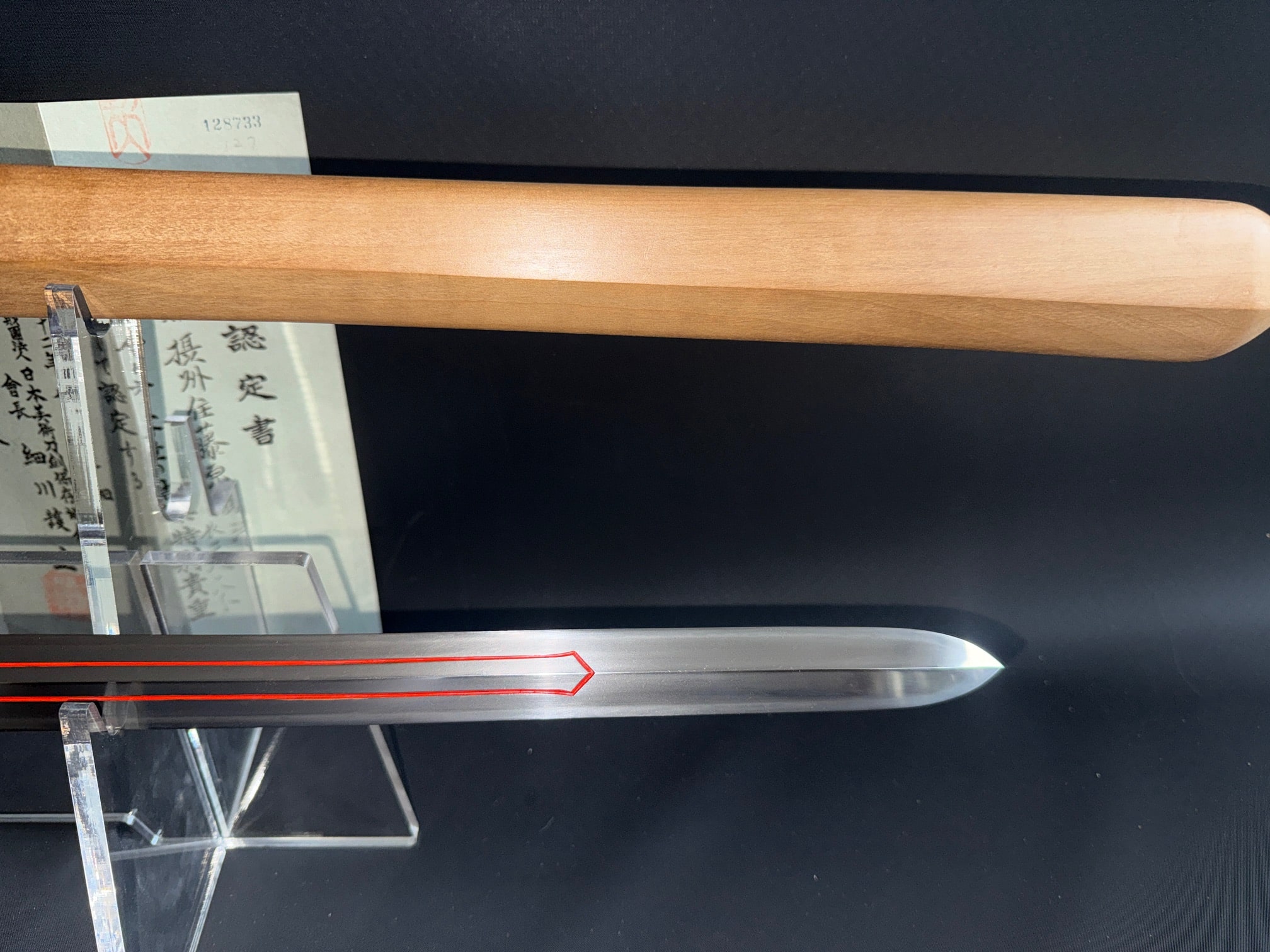
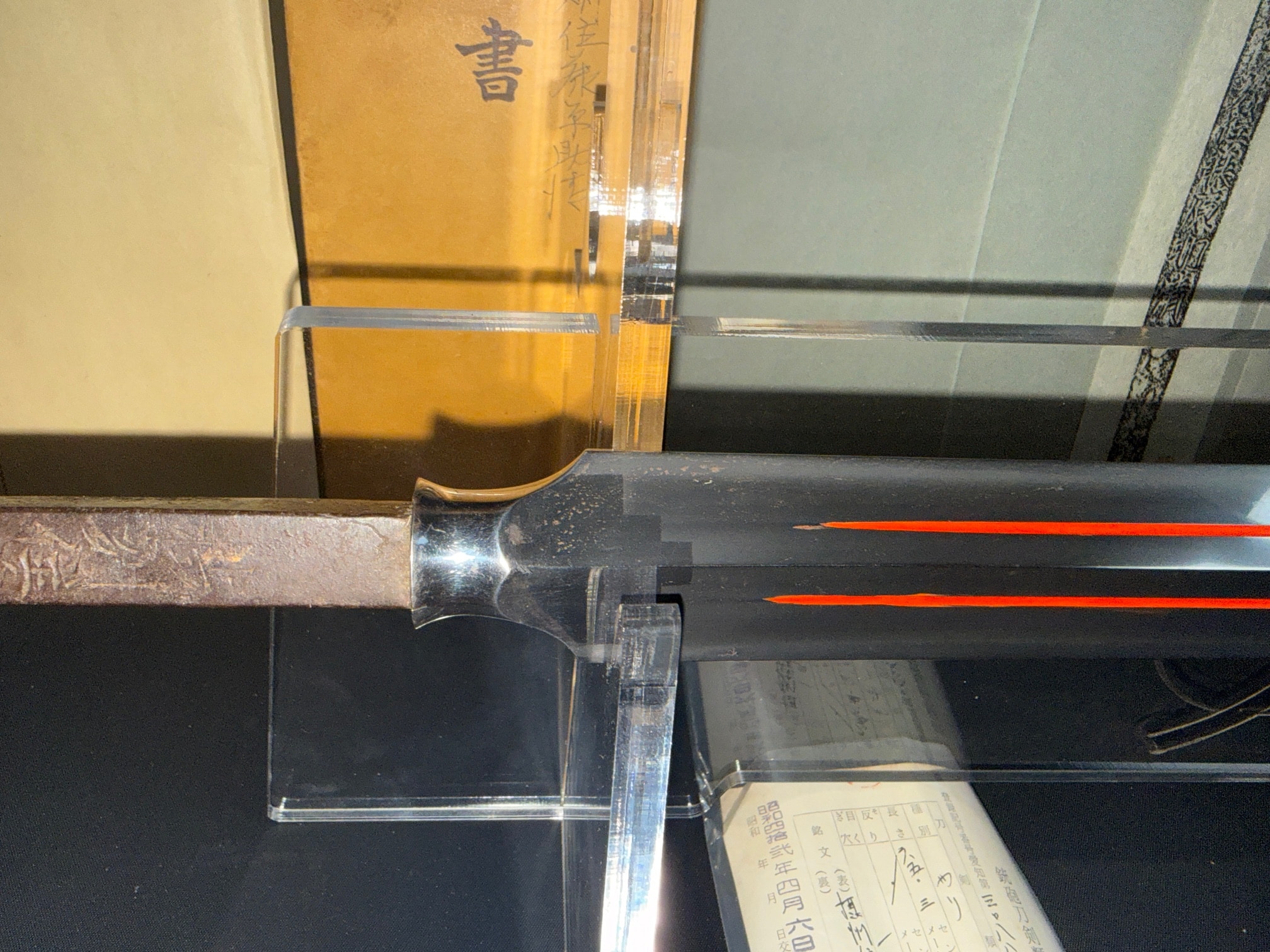
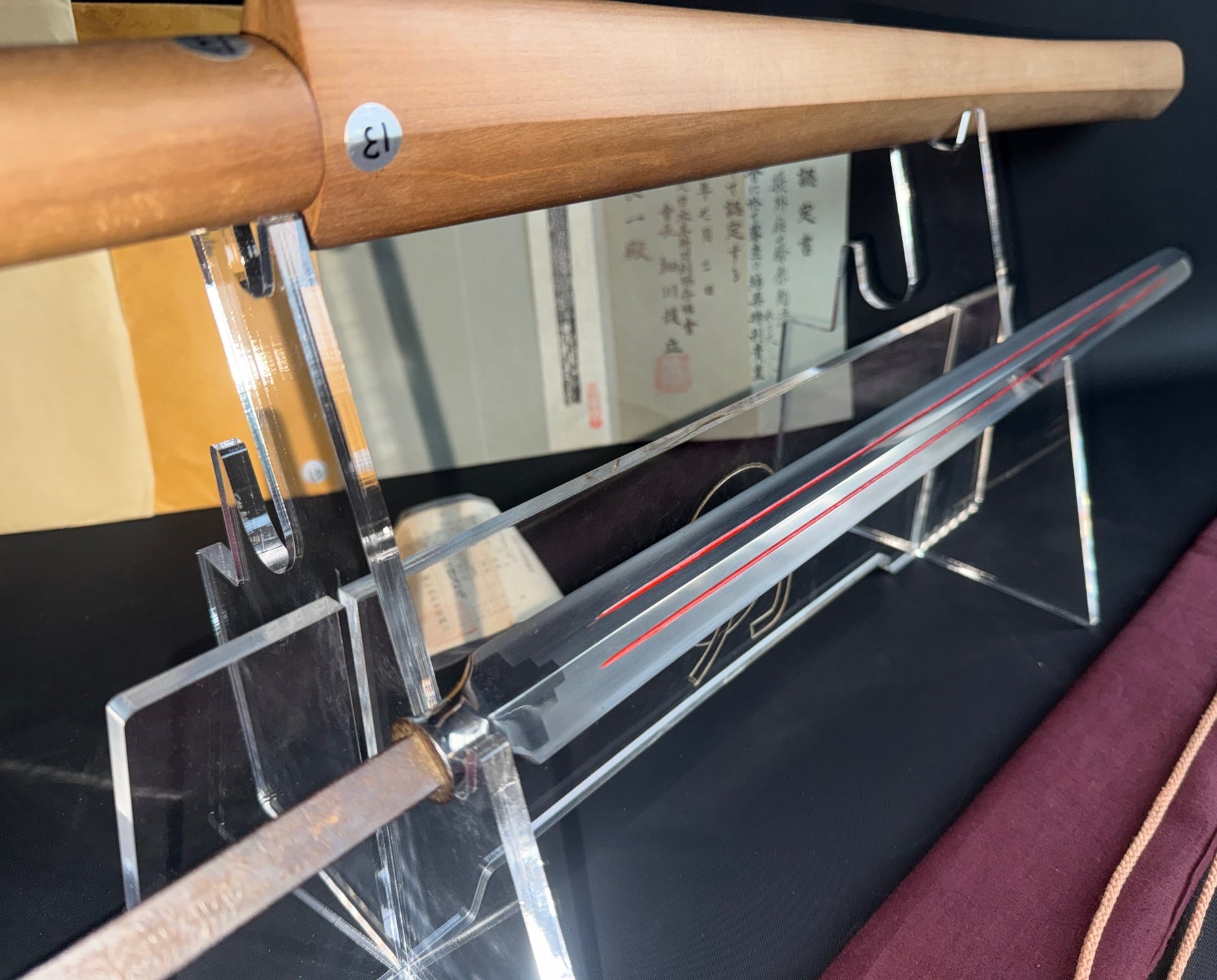
The Ōmi-yari form is distinguished by its long, straight blade with a shinogi-zukuri cross-section and carefully balanced proportions. At 60.6 cm, this example commands immediate presence. Such dimensions indicate serious functional intent, suitable for mounted or foot combat formations, while also reflecting the structural discipline of the Kanbun era.
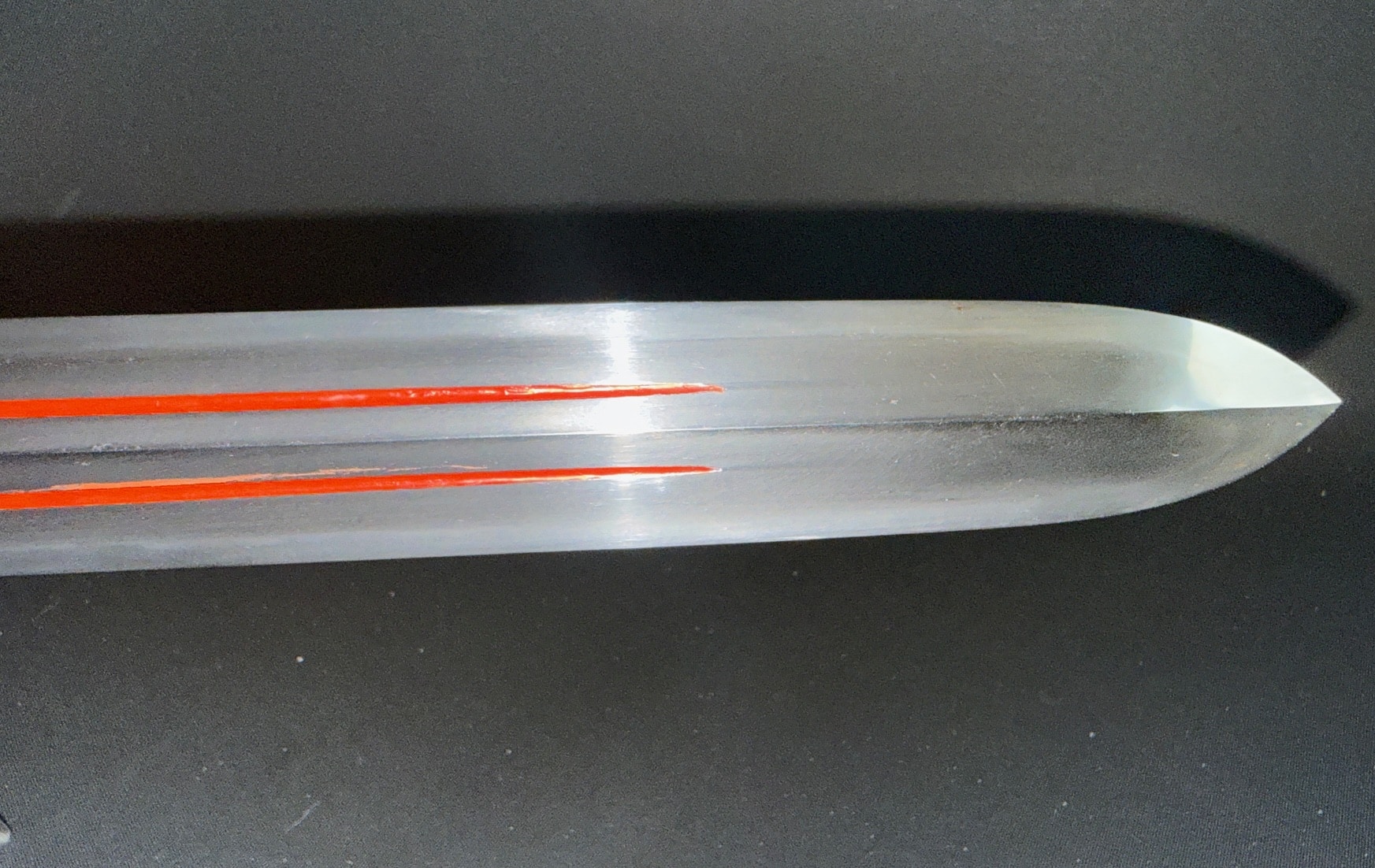
In contrast to earlier Muromachi-period battlefield spears—often robust and overtly utilitarian—Edo-period examples reveal a shift toward refined symmetry and controlled geometry. The ridgelines are typically crisp, the planes clearly defined, and the steel finished with precision. Light moves cleanly across the surface, revealing the vitality and forging skill beneath.
Osaka Shintō workmanship is commonly associated with finely forged ko-itame hada enriched with ji-nie, and a bright, consistent hamon—often suguha or gently undulating notare. Even in a spear format, where decoration is secondary to structure, these aesthetic qualities remain integral to the blade’s identity.
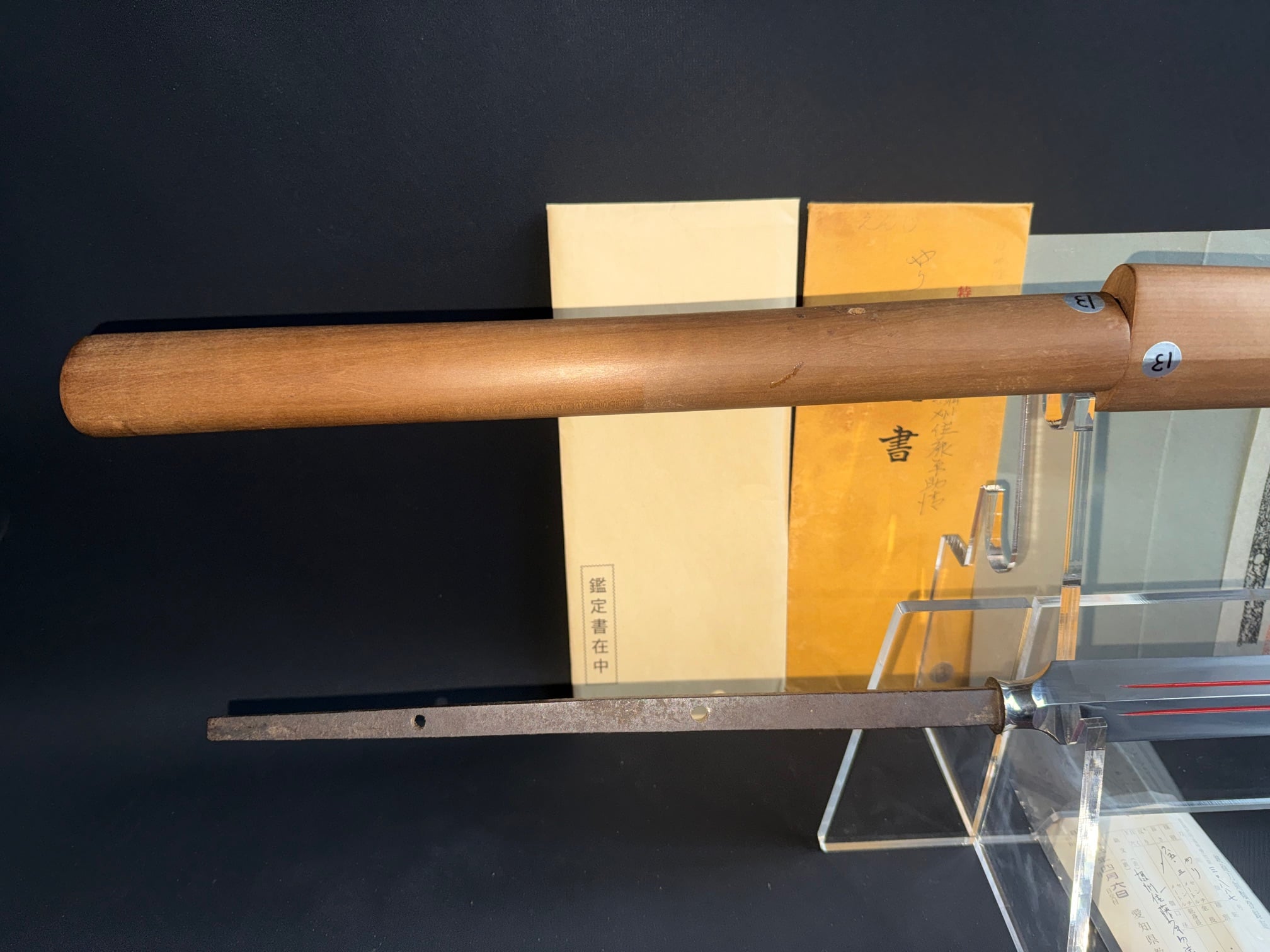
The tang bears the signature Sesshū jū Fujiwara Sukekiyo, a crucial element in understanding both authorship and period. Edo-period Osaka smiths are known for confident, well-balanced mei, cut with clarity and assurance. The quality of the chisel work often reflects the disciplined training and professional integrity of the maker.
While Sukekiyo may not occupy the highest tier of Osaka masters, signed yari of this period and region are comparatively scarce. The survival of a clearly inscribed and authenticated example enhances both its historical and scholarly value.
This yari was awarded Tokubetsu Kichō certification on July 2, 1967, by the NBTHK (Nihon Bijutsu Tōken Hozon Kyōkai). At that time, the chairman was Hosokawa Moritatsu, a prominent figure in the postwar preservation and study of Japanese swords. The blade was submitted for evaluation by Ryochi Shirai, whose name is recorded in the original documentation.
The Tokubetsu Kichō system predates today’s Hozon and Tokubetsu Hozon structure. Papers issued in the 1960s reflect an important developmental phase in modern sword scholarship. Such early certification provides not only authentication, but also documented provenance extending back more than half a century—an increasingly significant factor in serious collecting circles.
The yari occupies a distinctive position within Japanese arms culture. Unlike the katana, often seen as a symbol of individual identity, the spear was fundamentally a weapon of formation, discipline, and collective order. In the Edo period, it also served as an emblem of authority within castle guard units and domain retainers.
This Sukekiyo Ōmi-yari bridges martial function and aesthetic maturity. Its substantial length speaks of readiness and structural seriousness, while its refined forging reflects the cultivated restraint of the Kanbun era. The blade does not rely on flamboyant activity; rather, it communicates authority through proportion, clarity, and controlled workmanship.
The Sesshū jū Fujiwara Sukekiyo Ōmi-yari stands as a dignified example of mid-17th century Osaka Shintō craftsmanship. With its commanding 60.6 cm blade, preserved signature, and early NBTHK Tokubetsu Kichō certification under Chairman Hosokawa, the piece carries both martial authenticity and documented scholarly recognition.
KvK: 51964147
C.W. Slok - Kyodai Originals
Bank: NL25 KNAB 0509 1310 18
BIC: KNABNL2H
© 2026 Kyodai Originals is made with ❤ by Nieuwblik.com


