
€ 16.500,00
1 in stock
NBTHK Tokubetsu Hozon – With Edo Period Koshirae
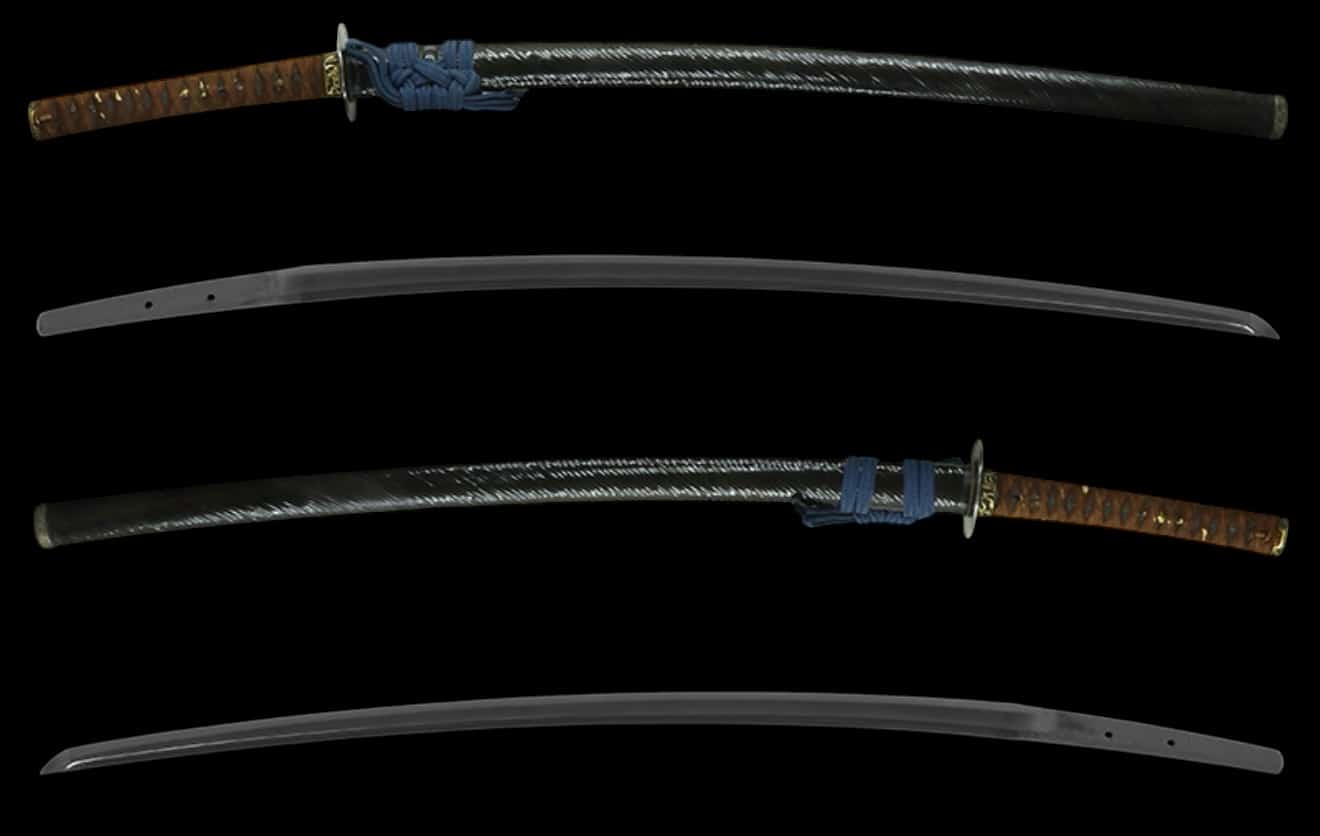
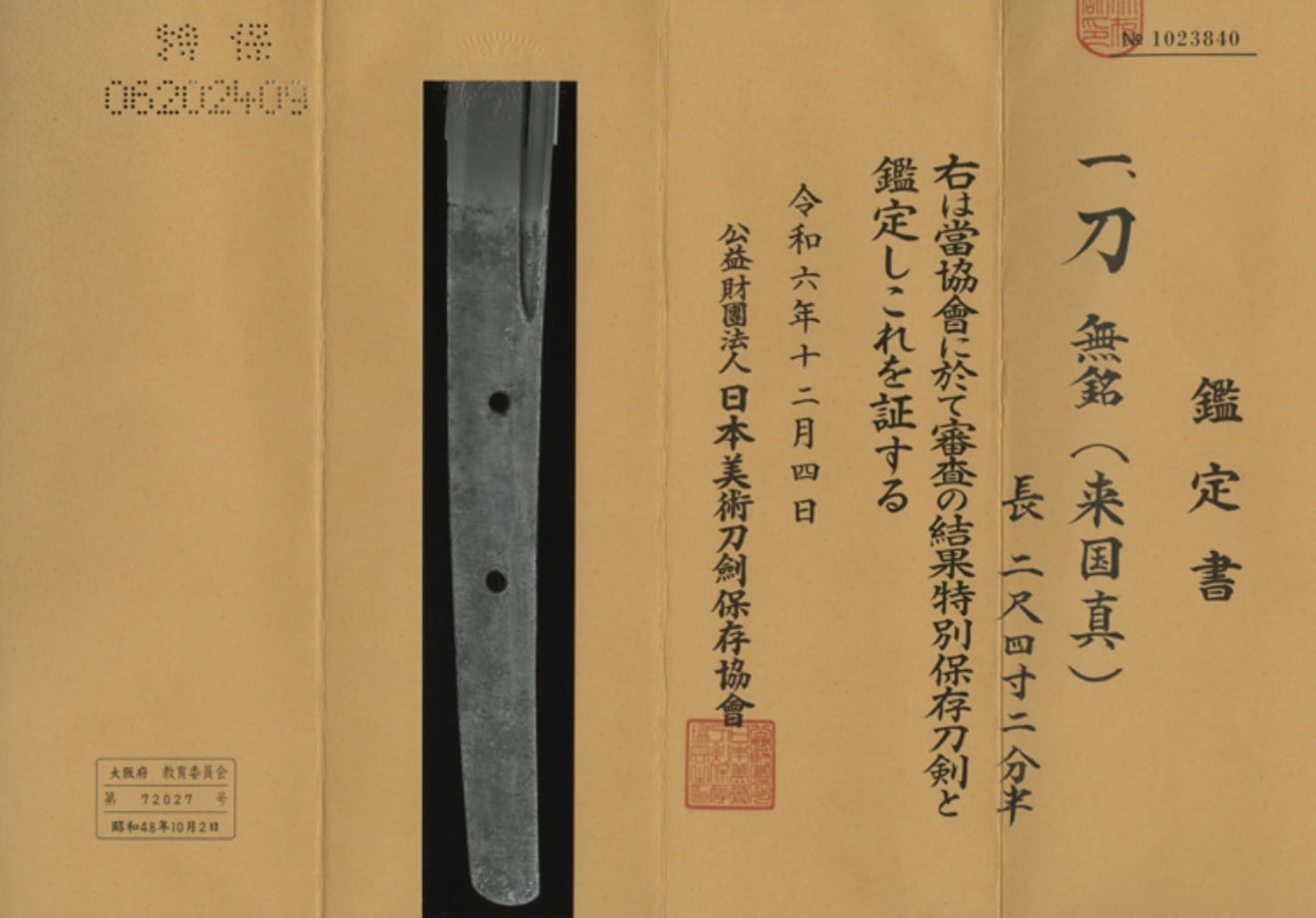
This remarkable katana represents a refined and highly characteristic example of the Yamashiro Rai tradition, attributed to Rai Kunizane, one of the distinguished masters active during the late Kamakura to early Nanbokuchō period.
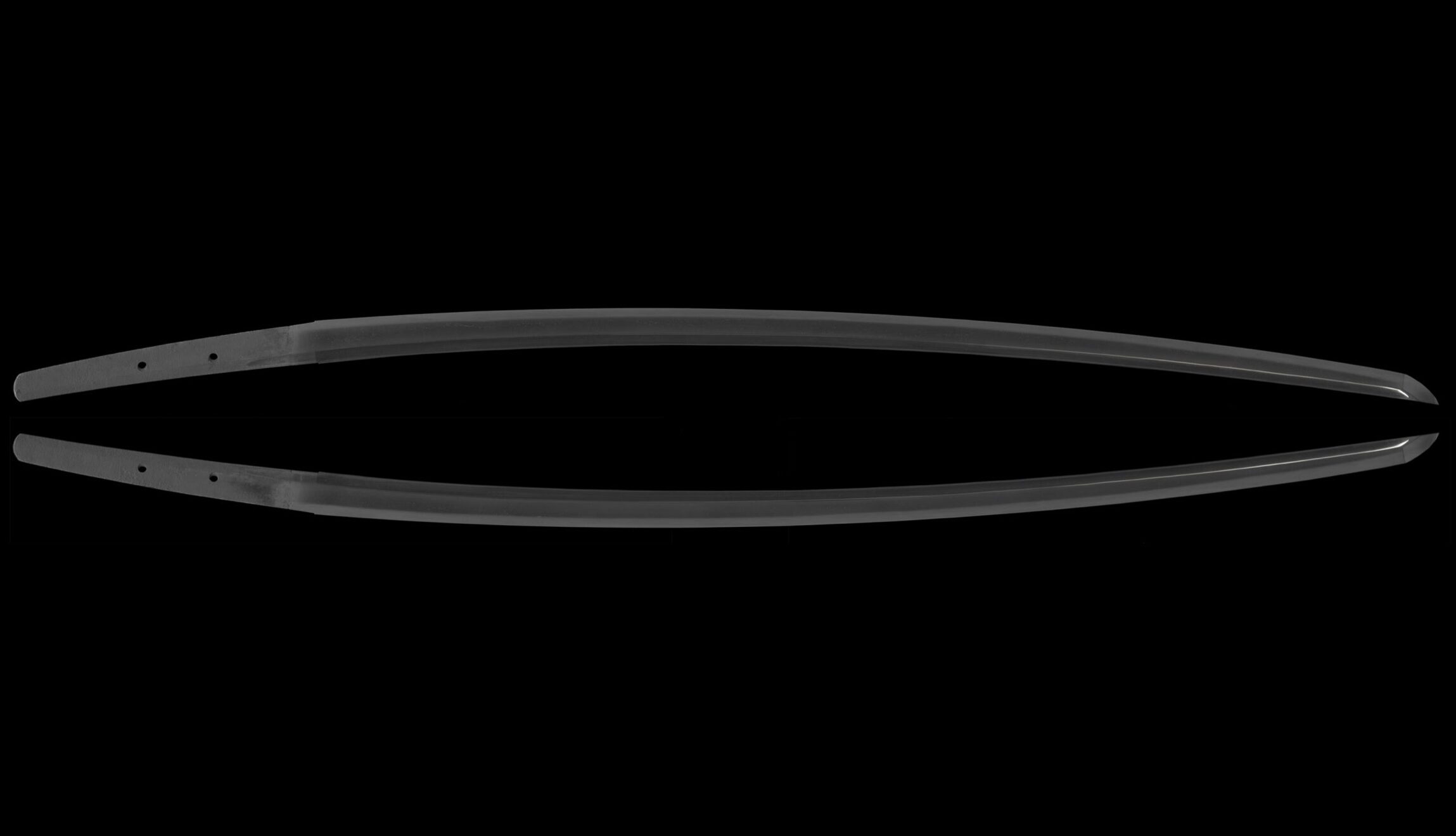
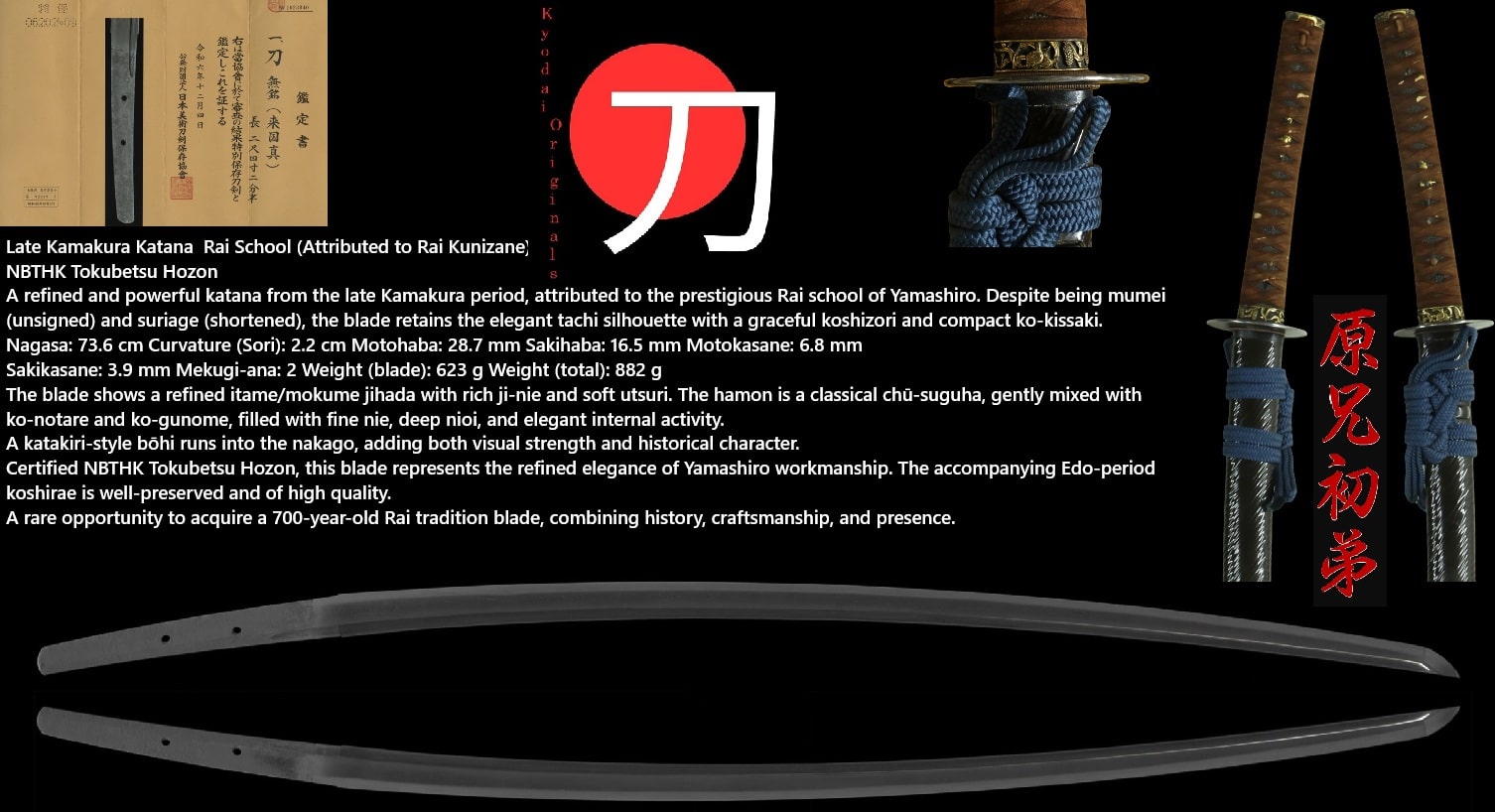
Forged in shinogi-zukuri with an iori-mune, the blade displays elegant and well-balanced proportions in both width and thickness. The sugata is particularly evocative of the late Kamakura period, featuring a graceful koshizori curvature and a compact ko-kissaki, preserving the classical tachi form despite its later shortening (suriage).
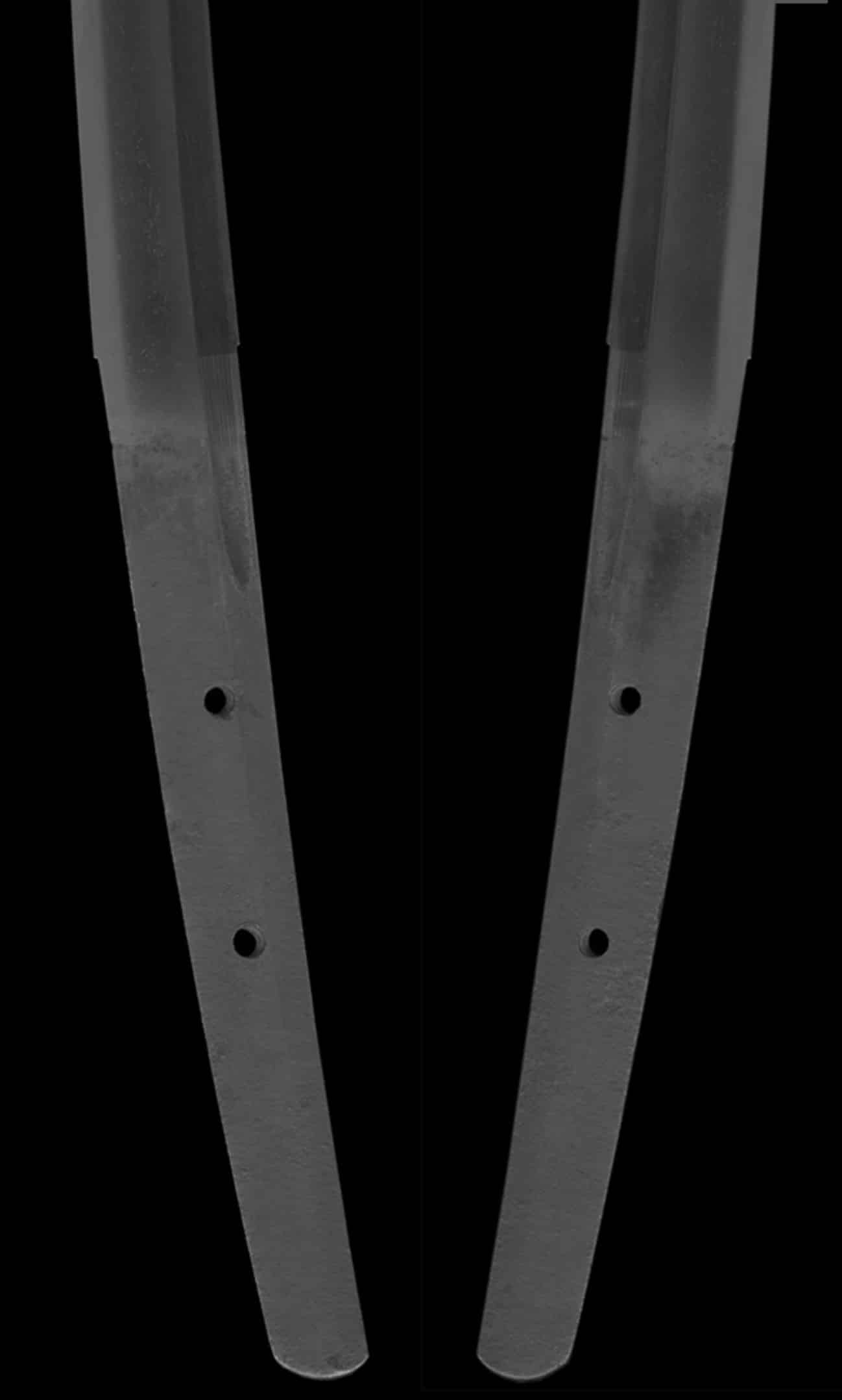
The nakago shows sujikai yasurime with a straight-cut nakagojiri, confirming its historical modification while retaining strong period characteristics. Notably, the blade is accompanied by a katakiri-style bōhi, which continues seamlessly into the tang in kakinagashi, a rare and aesthetically pleasing feature that enhances the overall elegance of the piece.
The jihada (steel surface) is of exceptional quality, composed of a refined mixture of fine itame with masame tendencies, richly covered in thick ji-nie. A soft and mist-like utsuri appears across the surface, further reinforcing its Yamashiro origin and the high level of craftsmanship associated with the Rai school.
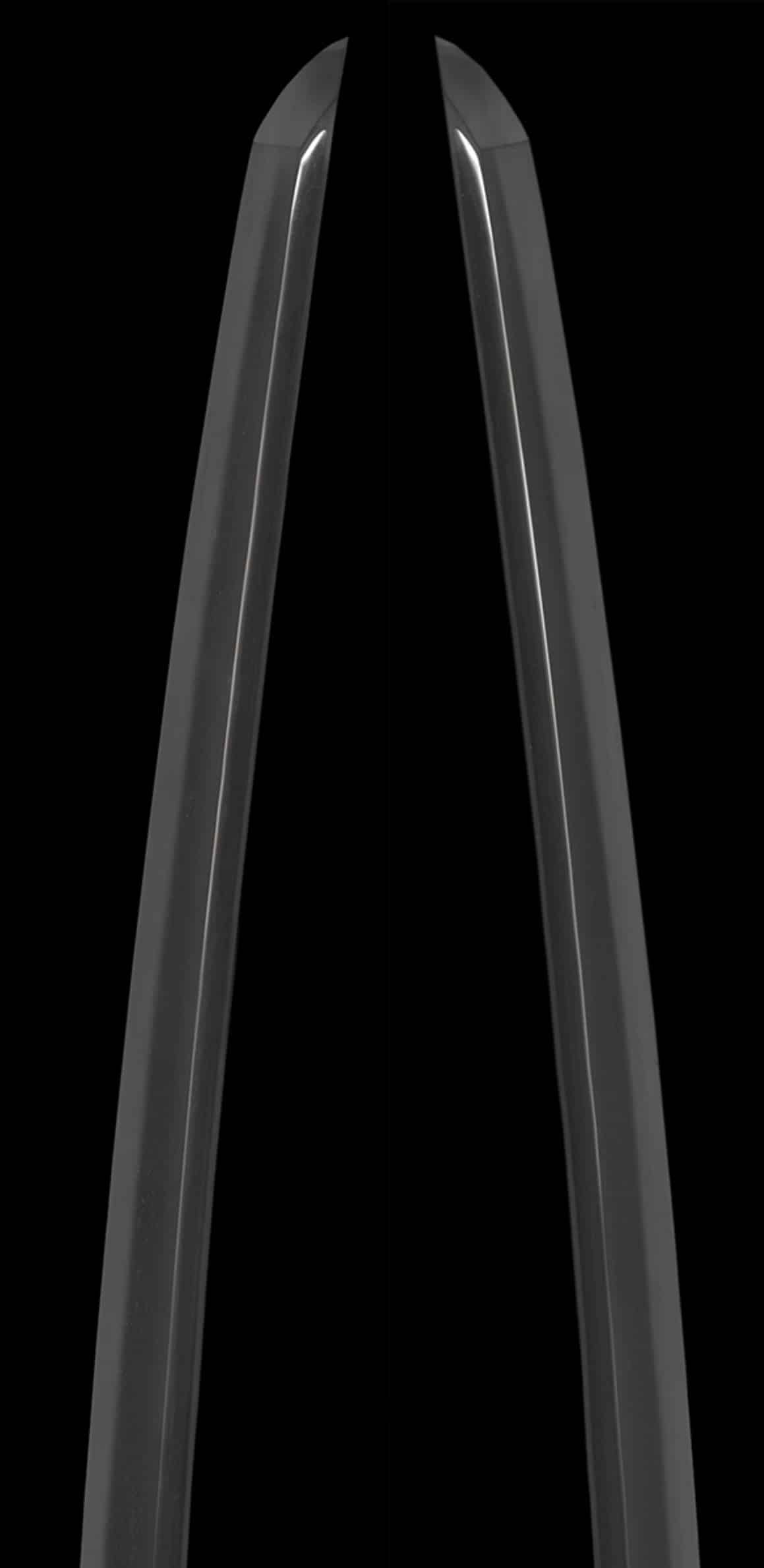
The hamon is based on a dignified chū-suguha, subtly enriched with ko-notare and ko-gunome elements. The activity within the temper line is lively yet controlled, featuring well-defined ashi and yō, a deep nioi-guchi, and finely dispersed nie. Both the ji and ha are bright and clear, demonstrating excellent preservation. The bōshi is irregular and returns in a small, rounded form, consistent with classical Rai workmanship.
Although unsigned (mumei) and shortened, the blade retains an impressive length of approximately 2 shaku 4 sun 2 bu (73.6 cm), preserving the powerful silhouette of a Kamakura-period tachi. The workmanship strongly reflects the hallmark traits of the Rai school in both forging and tempering. Minor surface roughness is present in places, yet there are no significant flaws, and the blade remains in very good overall condition.
Rai Kunizane was a prominent swordsmith of the Rai school of Yamashiro Province, active from the late Kamakura into the Nanbokuchō period. Believed to be the son of Rai Kunitoshi, and closely related to masters such as Rai Kunimitsu, he occupied an important position within this prestigious lineage.
Only a limited number of signed works survive, including tachi, hira-wakizashi, and tantō, making authenticated examples exceptionally rare. His style is typically defined by suguha-based hamon blended with chōji and gunome, enriched with yō and ko-ashi, reflecting the refined elegance of Yamashiro tradition. Some works also exhibit more dynamic midareba reminiscent of the Hasebe school, demonstrating his versatility.
Historically, Kunizane has been regarded as a high-ranking Rai master, and works attributed to him have been designated as Important Cultural Properties and Important Art Objects.
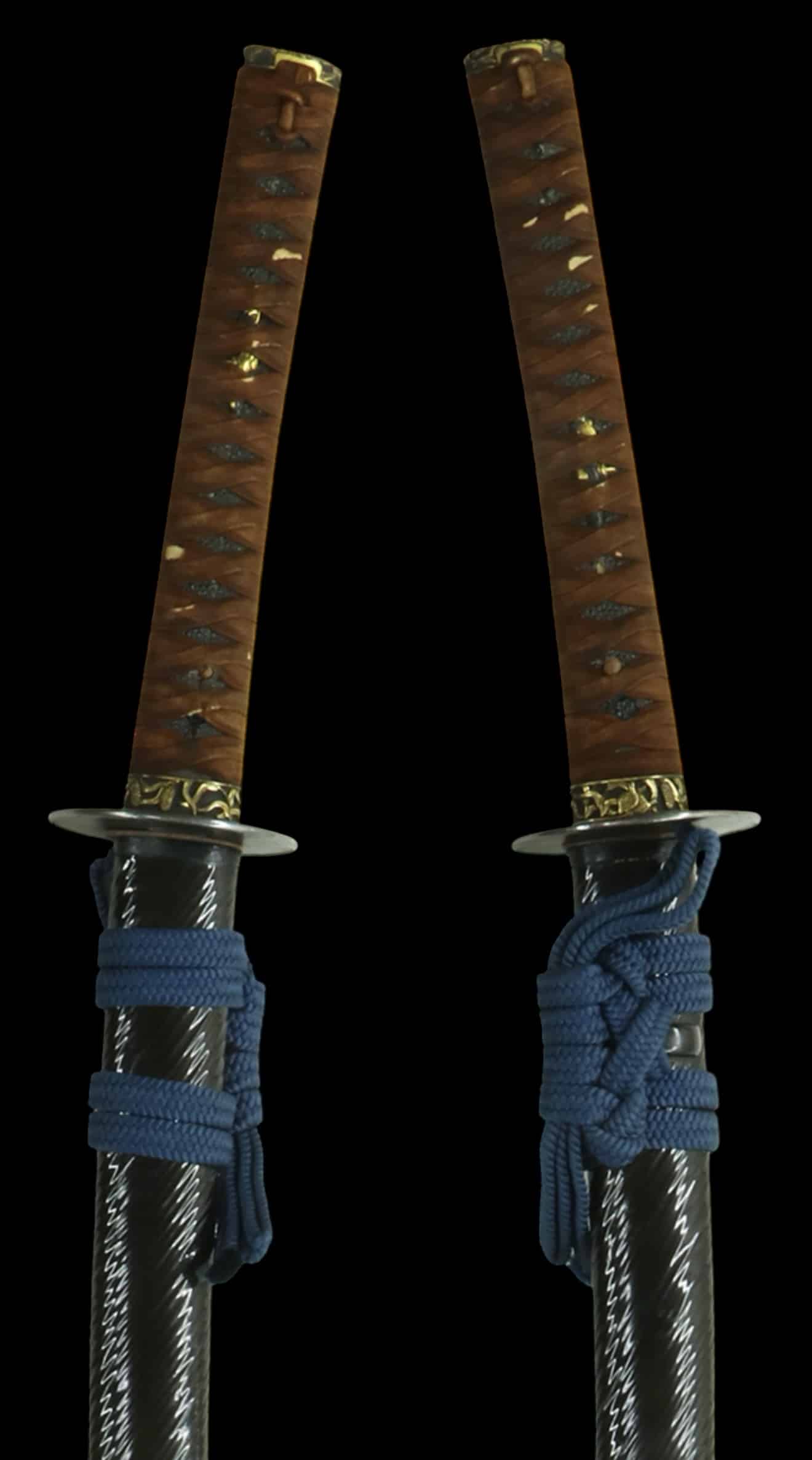
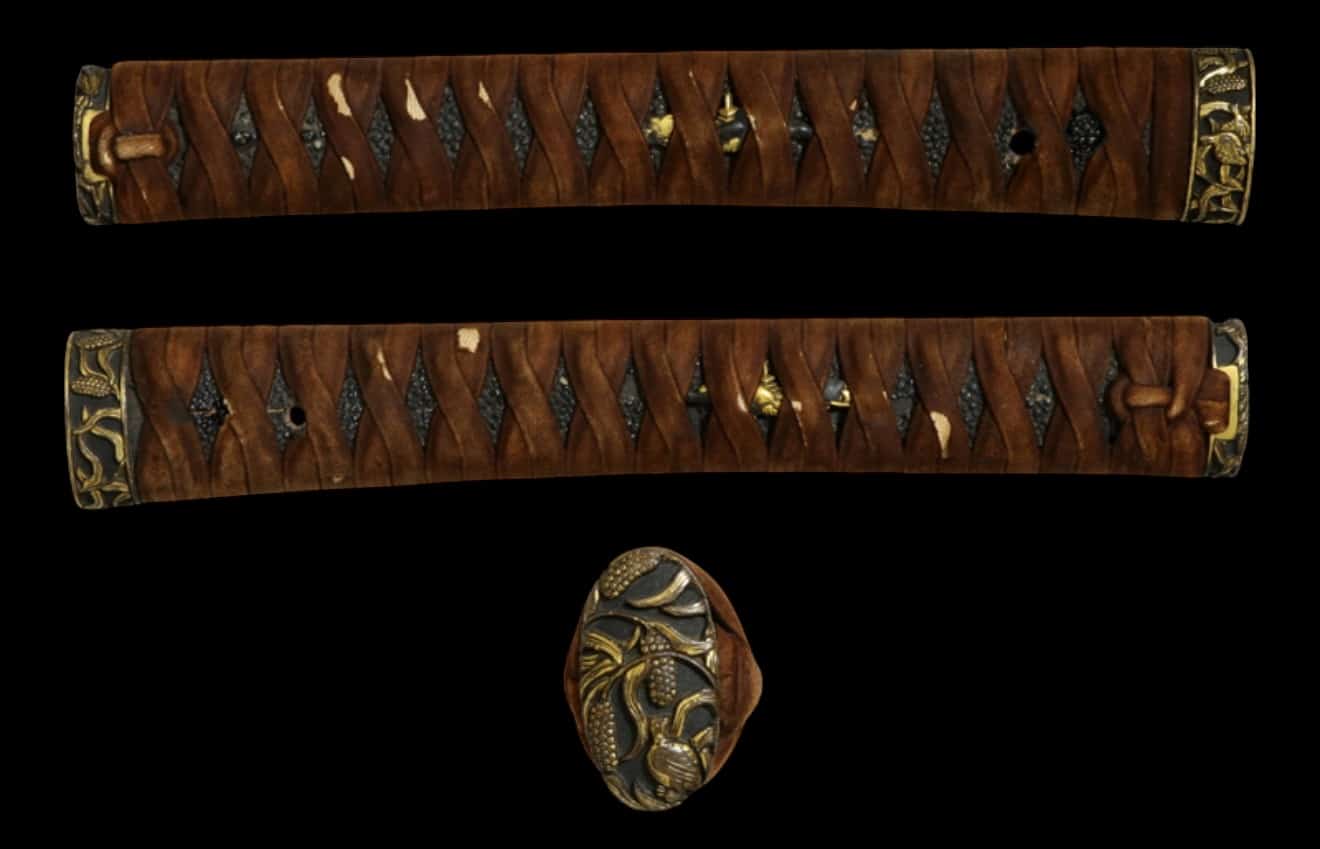
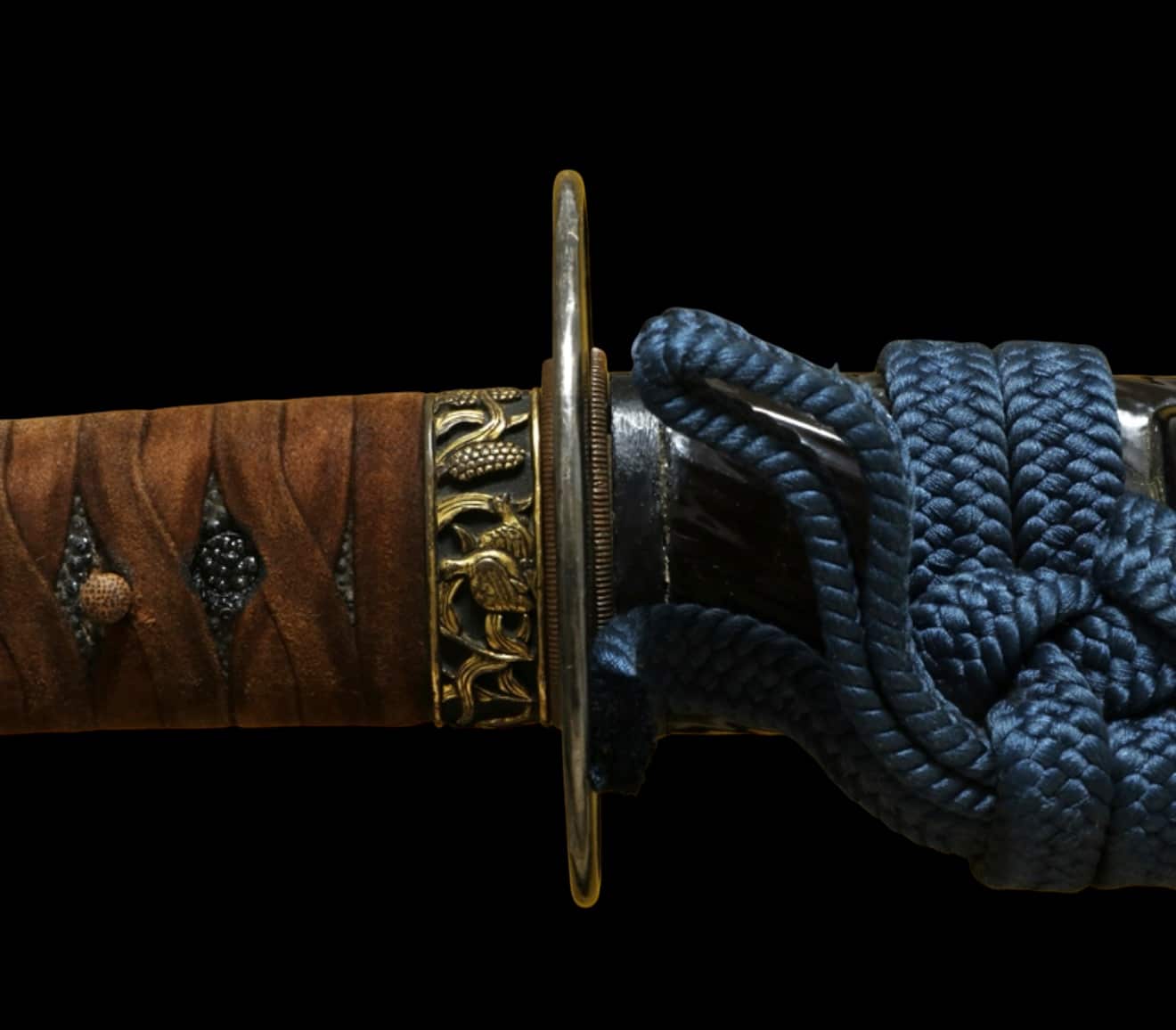
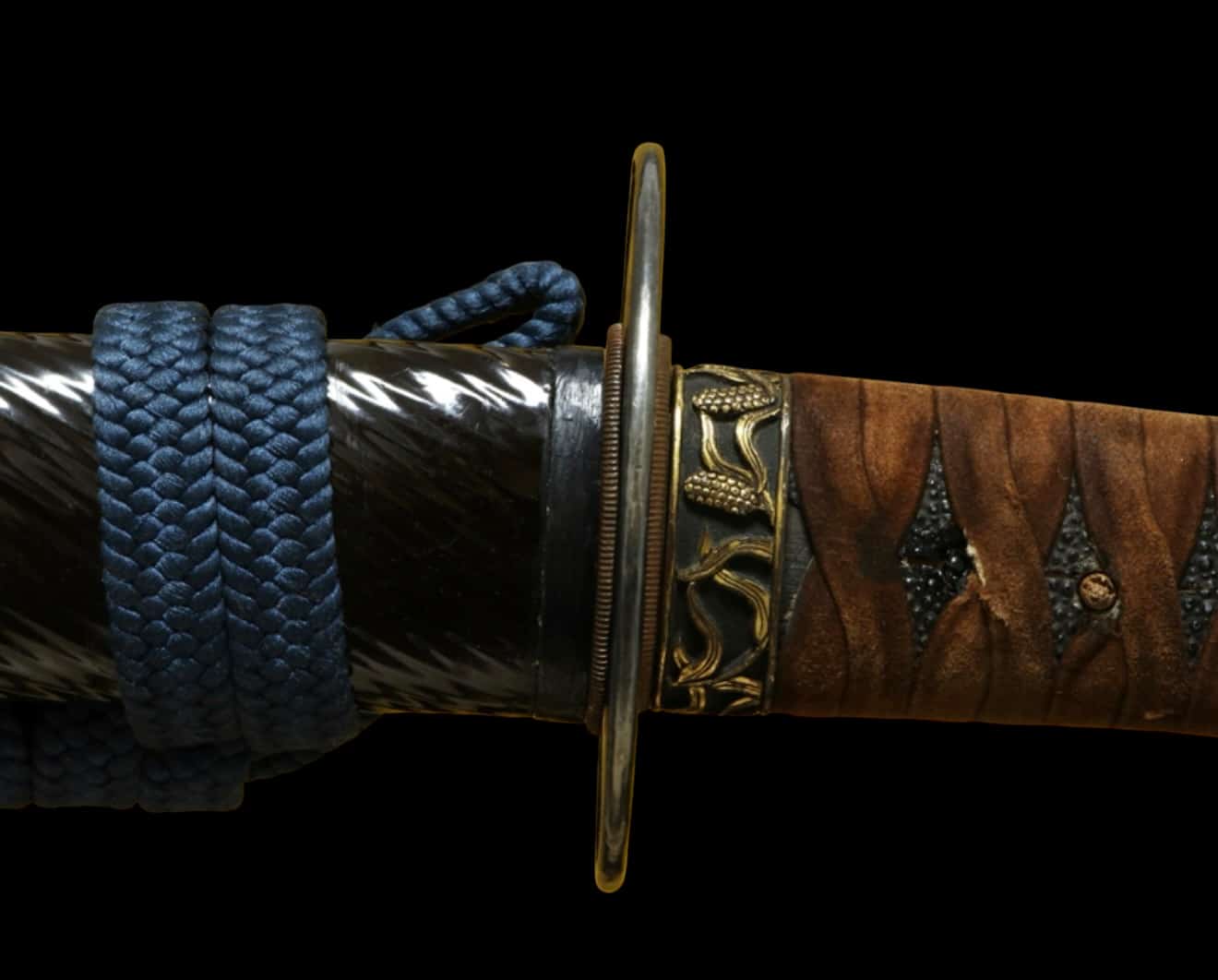
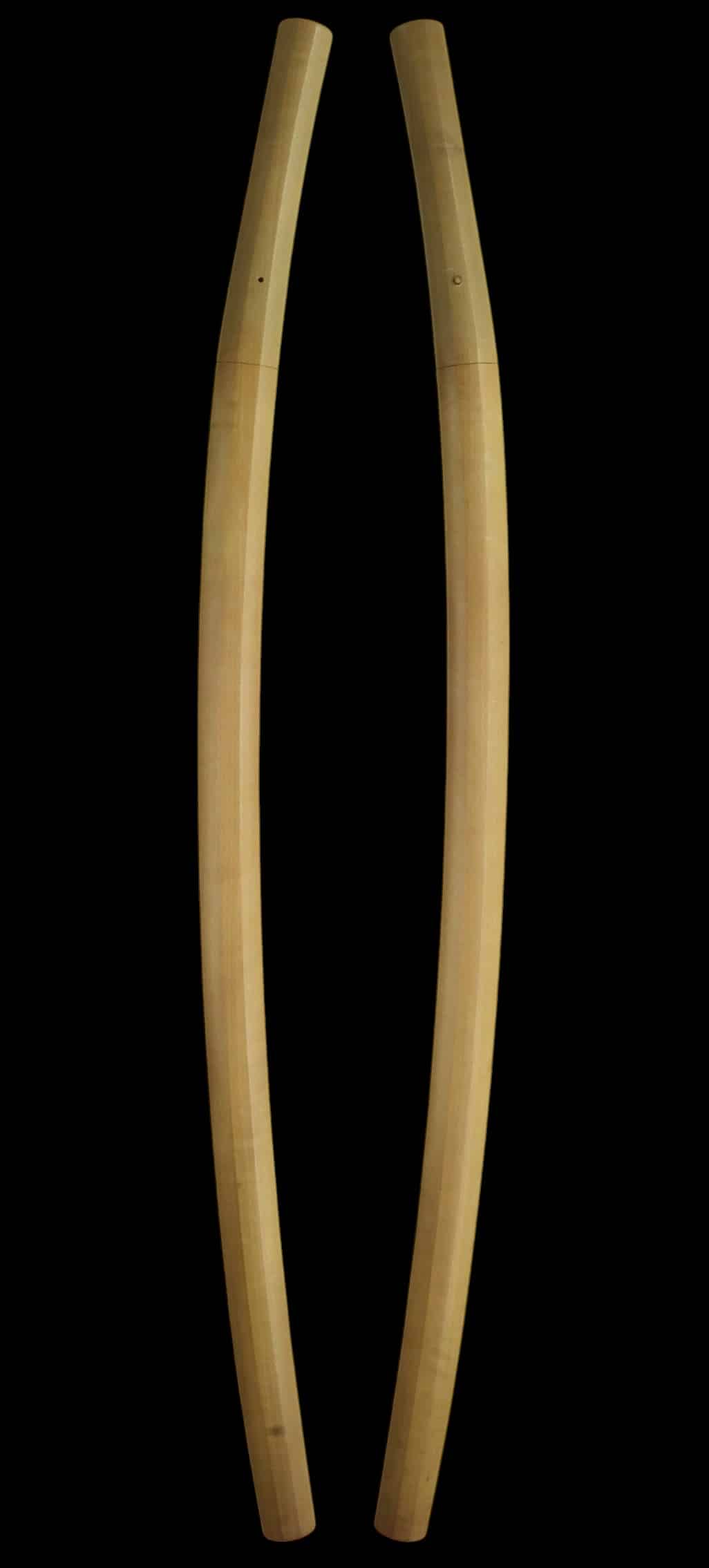
The sword is accompanied by a finely crafted Edo-period koshirae, preserved in very good condition:
This koshirae enhances both the historical integrity and aesthetic appeal of the blade.
Kamakura-period Yamashiro blades retaining their original koshirae are exceedingly rare. This katana, with its strong Rai characteristics, elegant sugata, and certified NBTHK Tokubetsu Hozon status, represents a highly desirable collector’s piece.
A sword that embodies the refined beauty, technical mastery, and historical depth of the Rai school at its height.
KvK: 51964147
C.W. Slok - Kyodai Originals
Bank: NL25 KNAB 0509 1310 18
BIC: KNABNL2H
© 2026 Kyodai Originals is made with ❤ by Nieuwblik.com


