
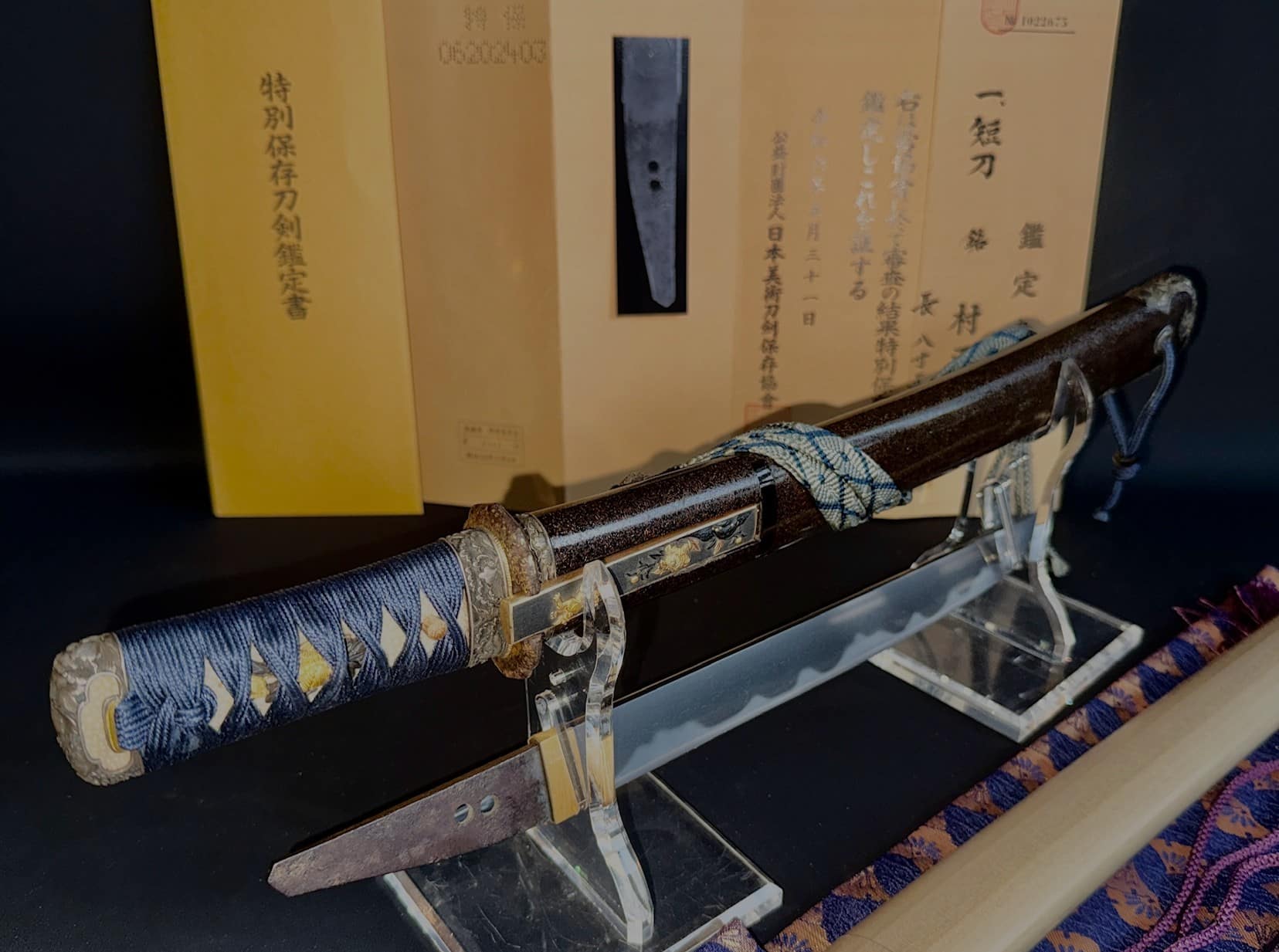
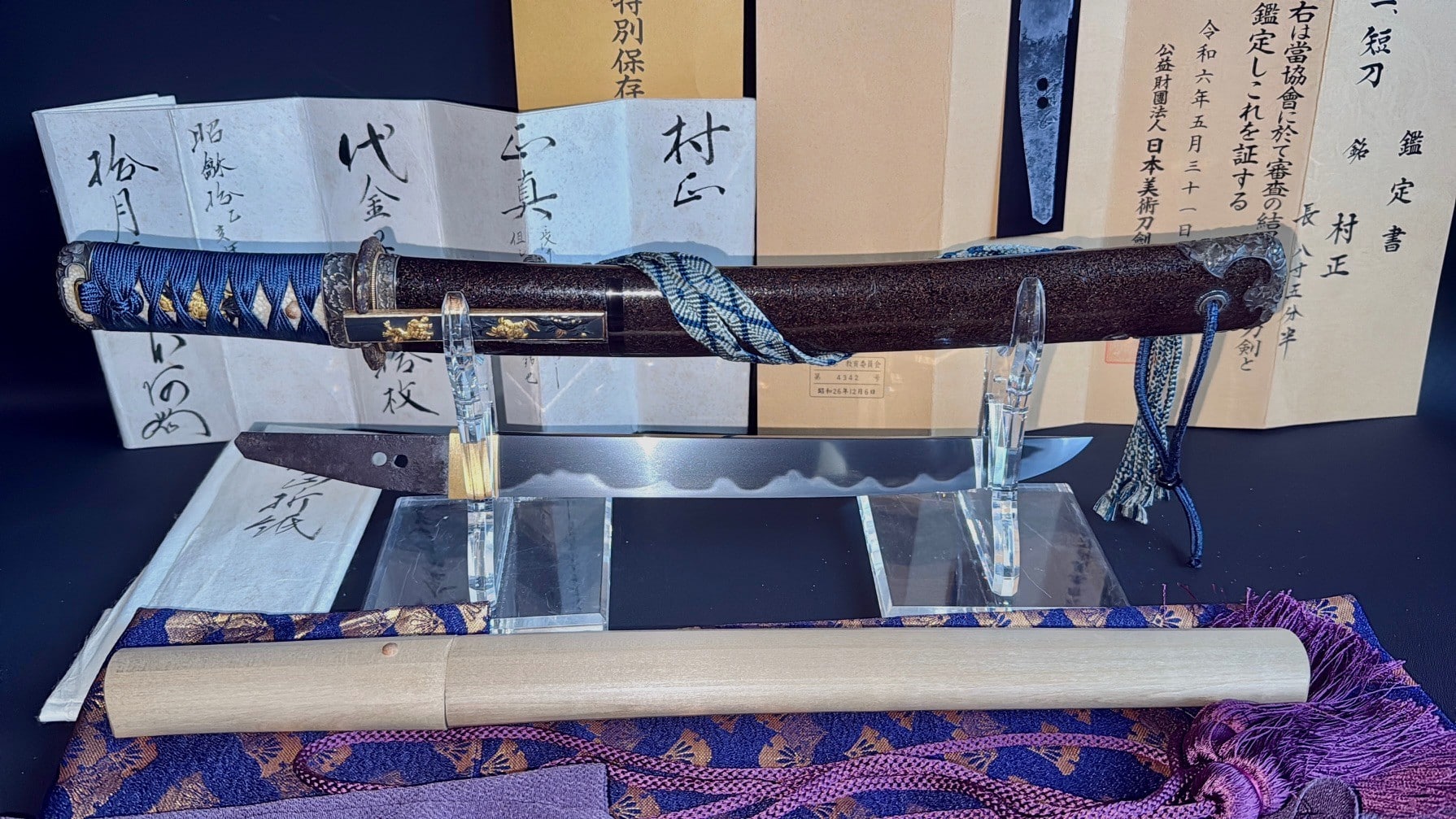
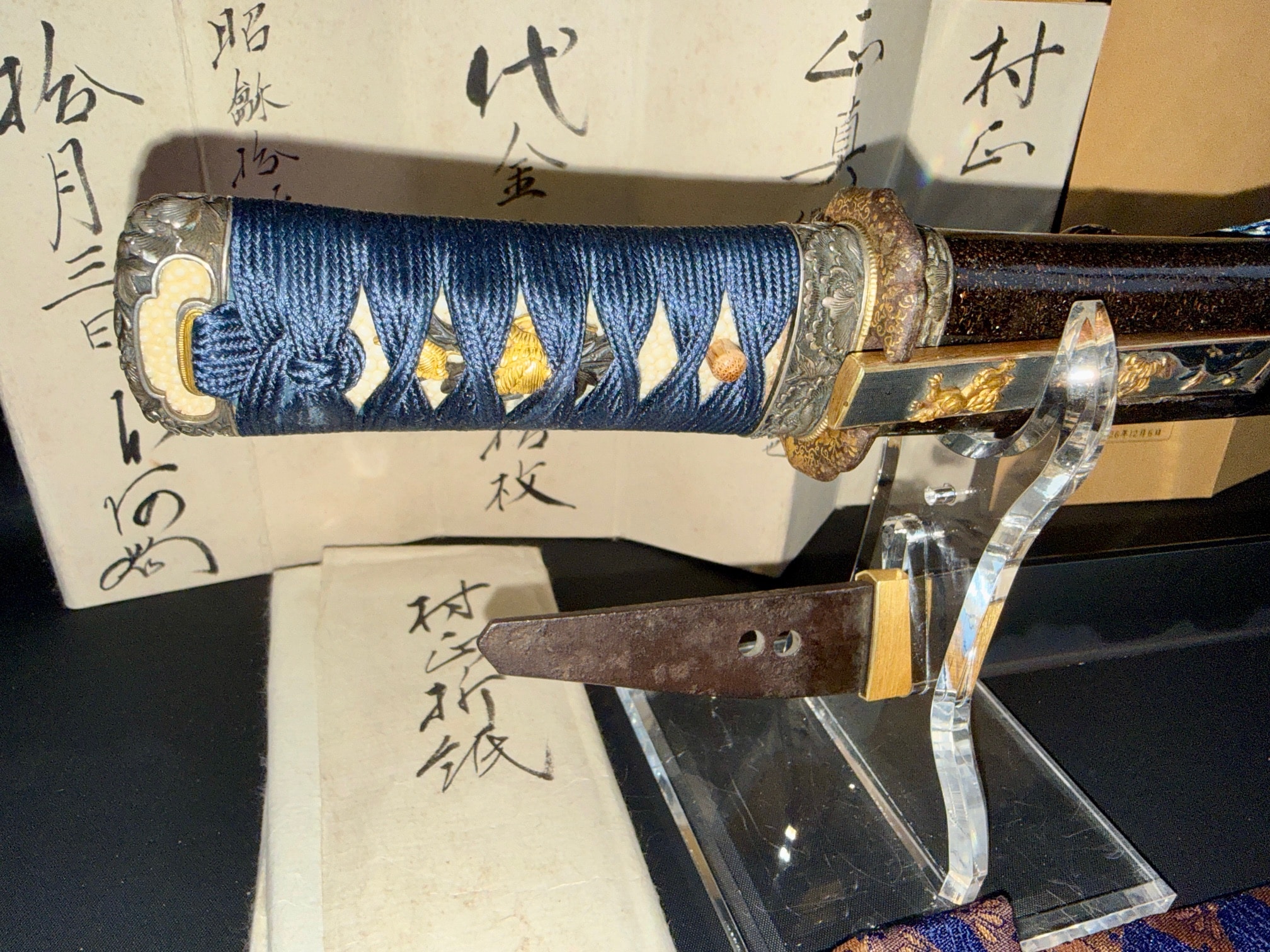
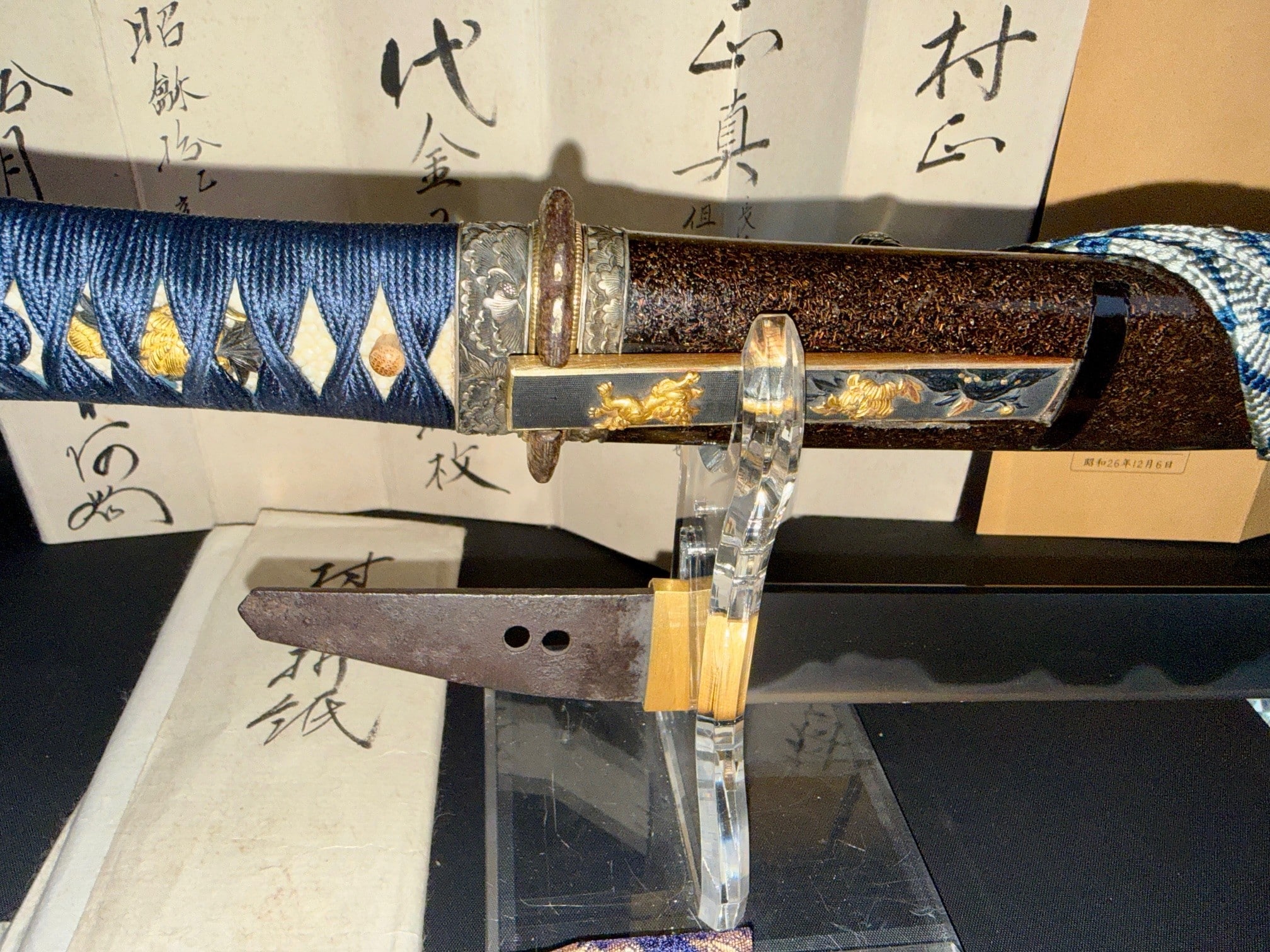
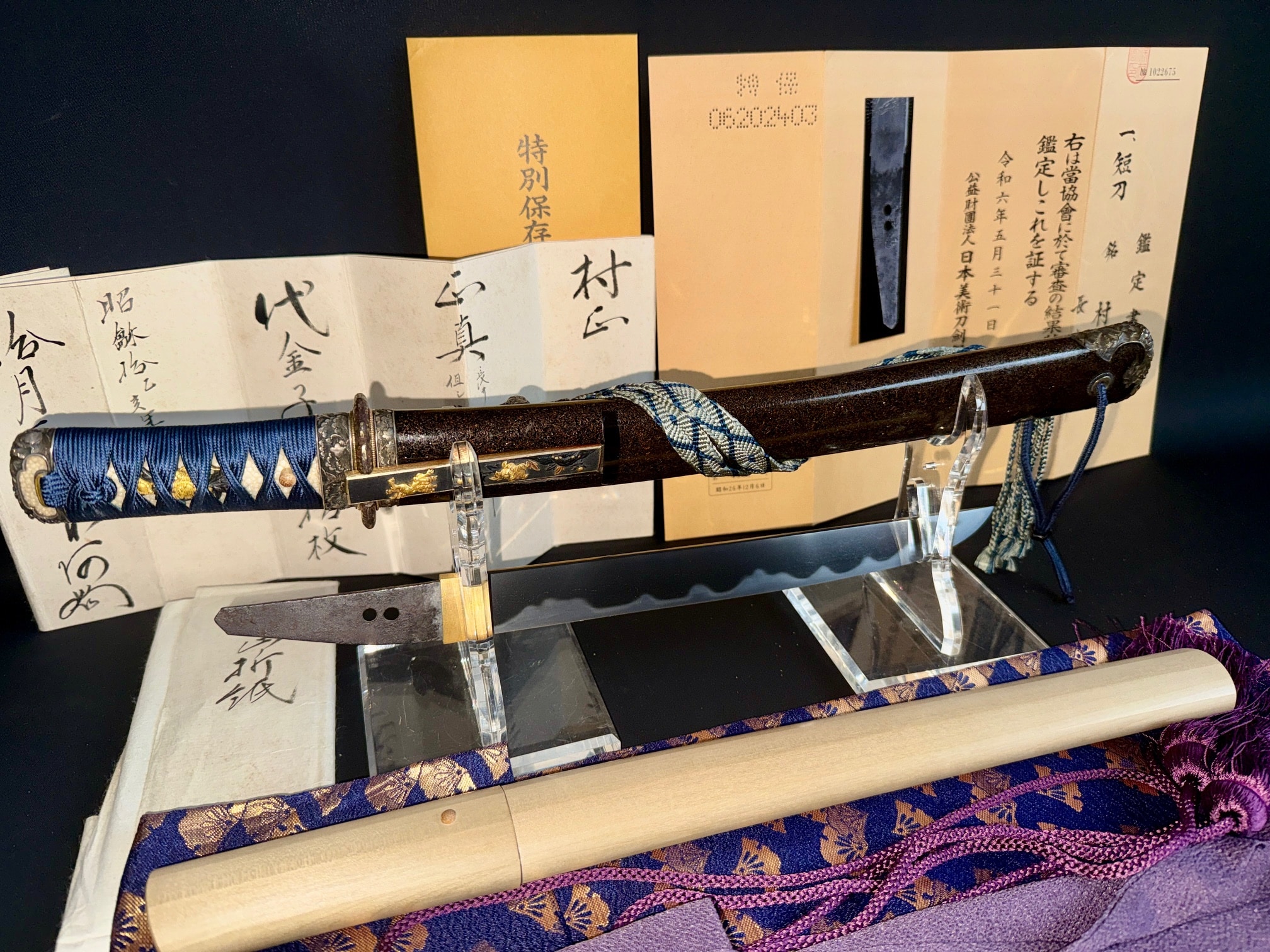
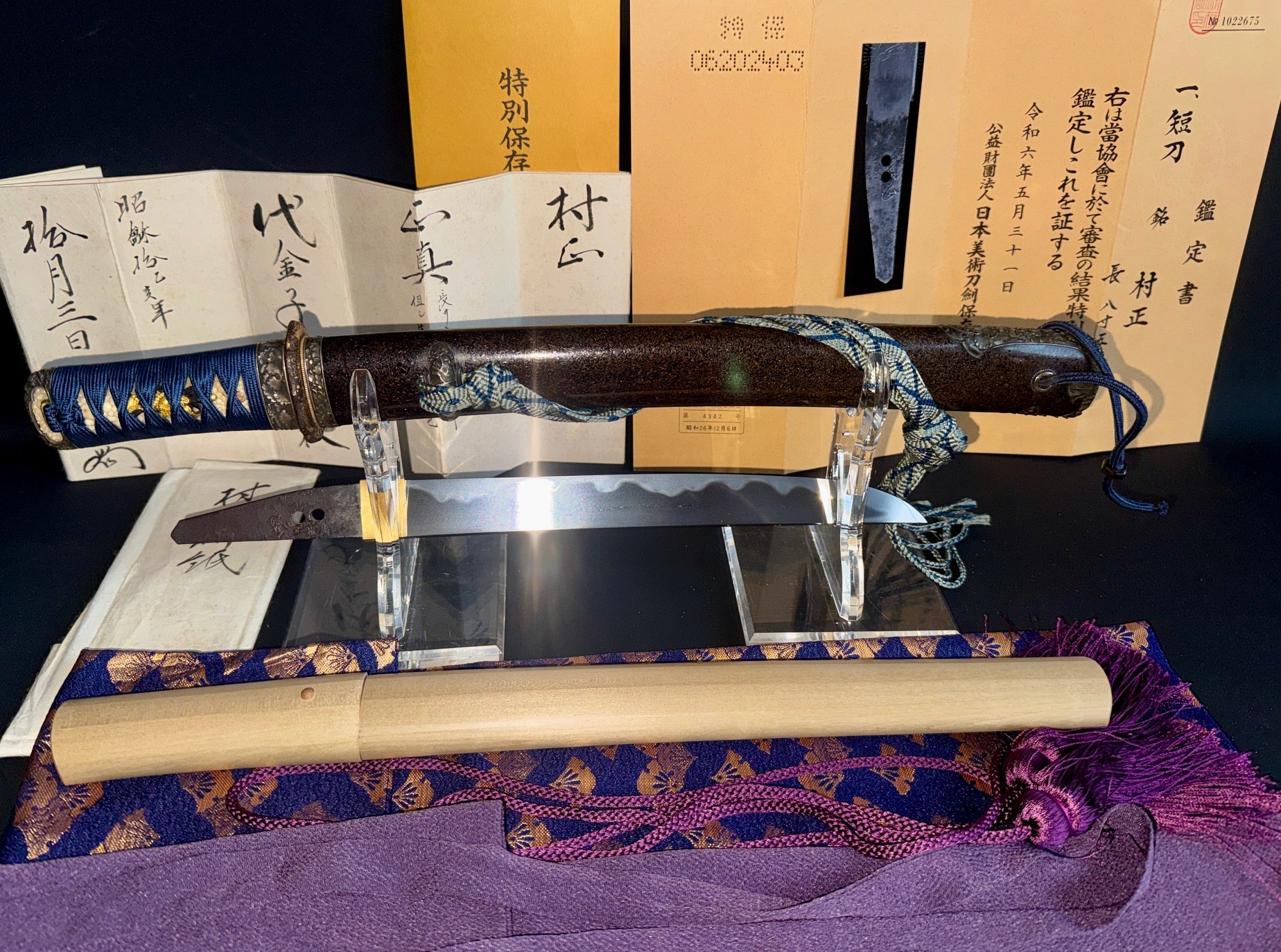
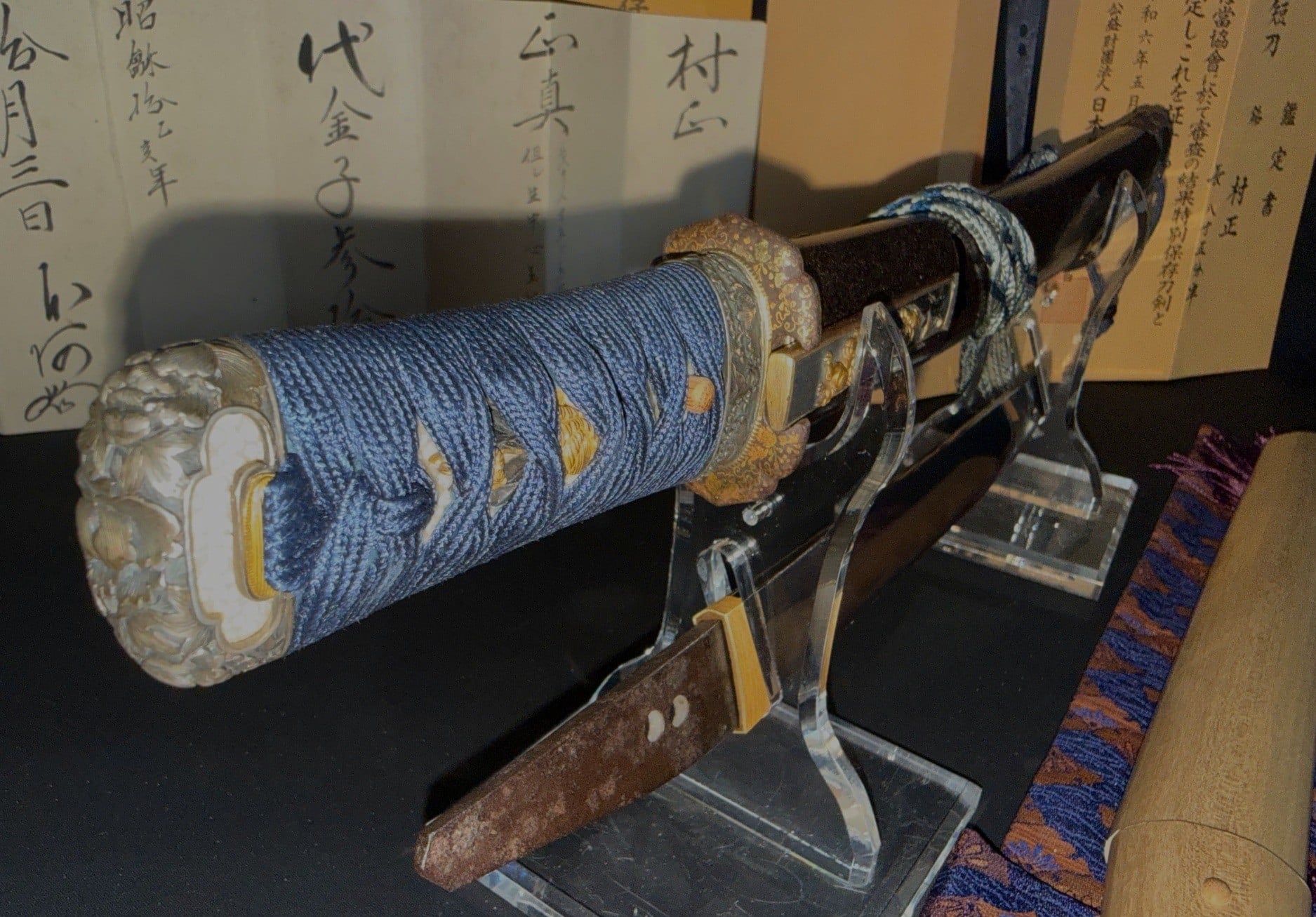
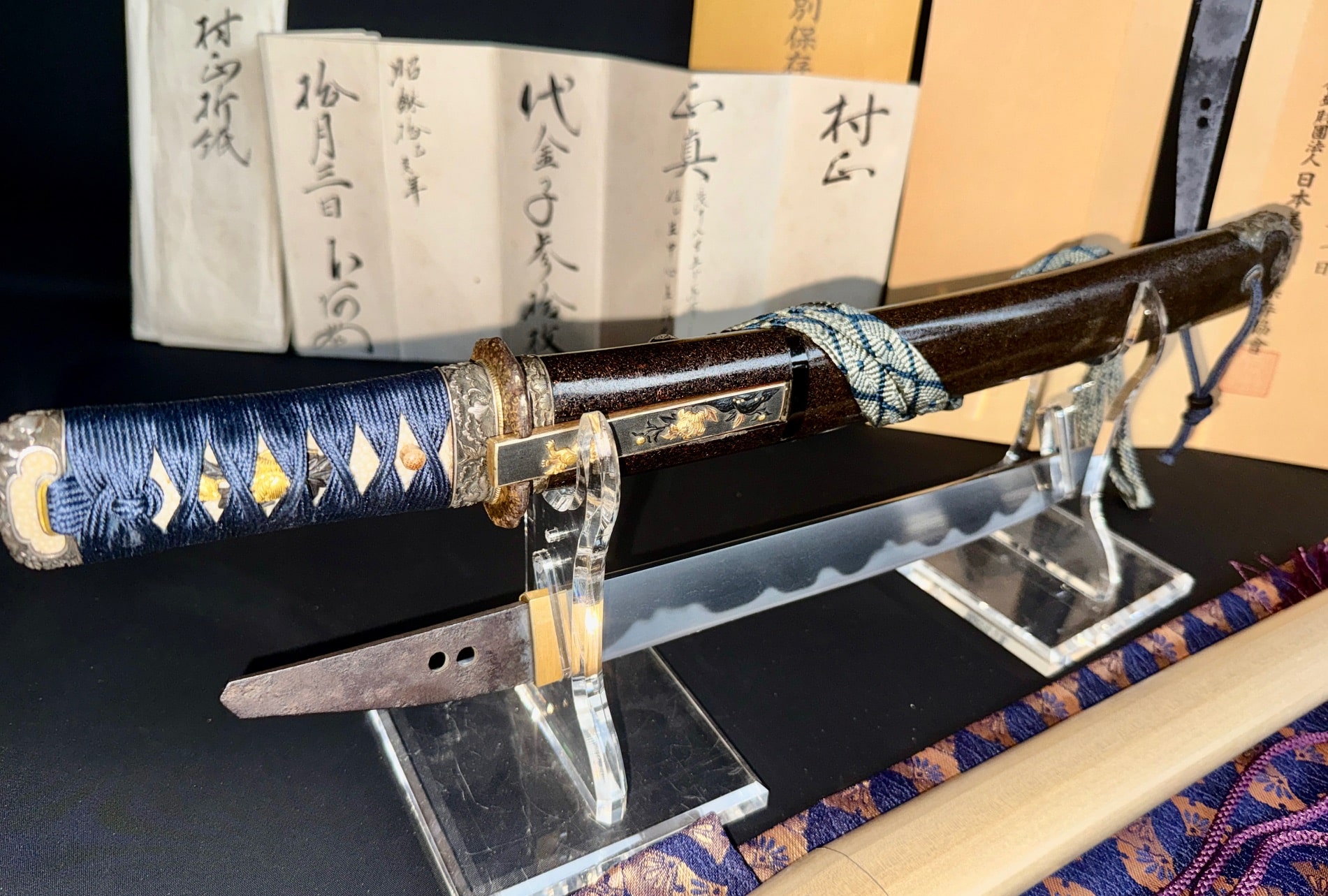
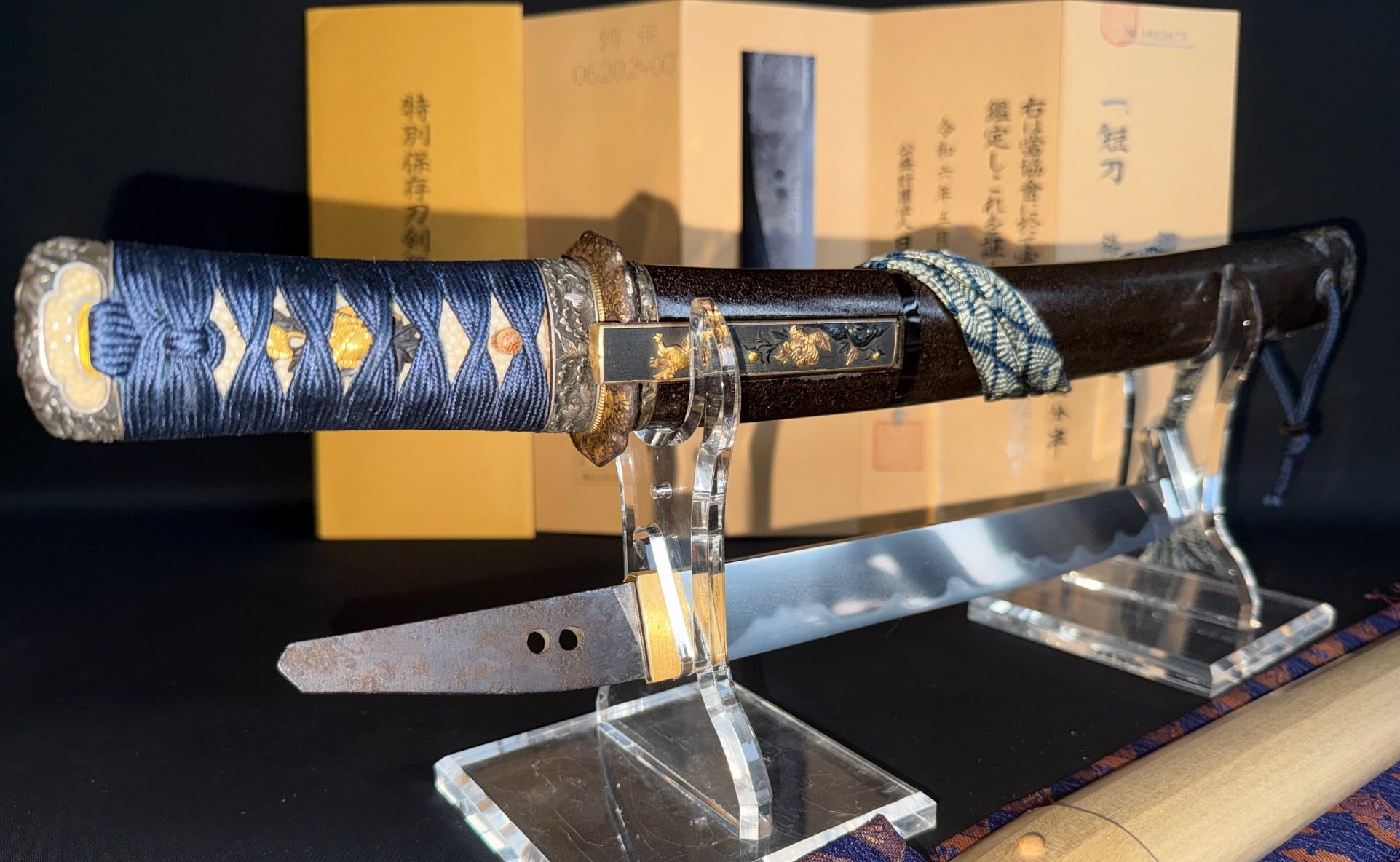
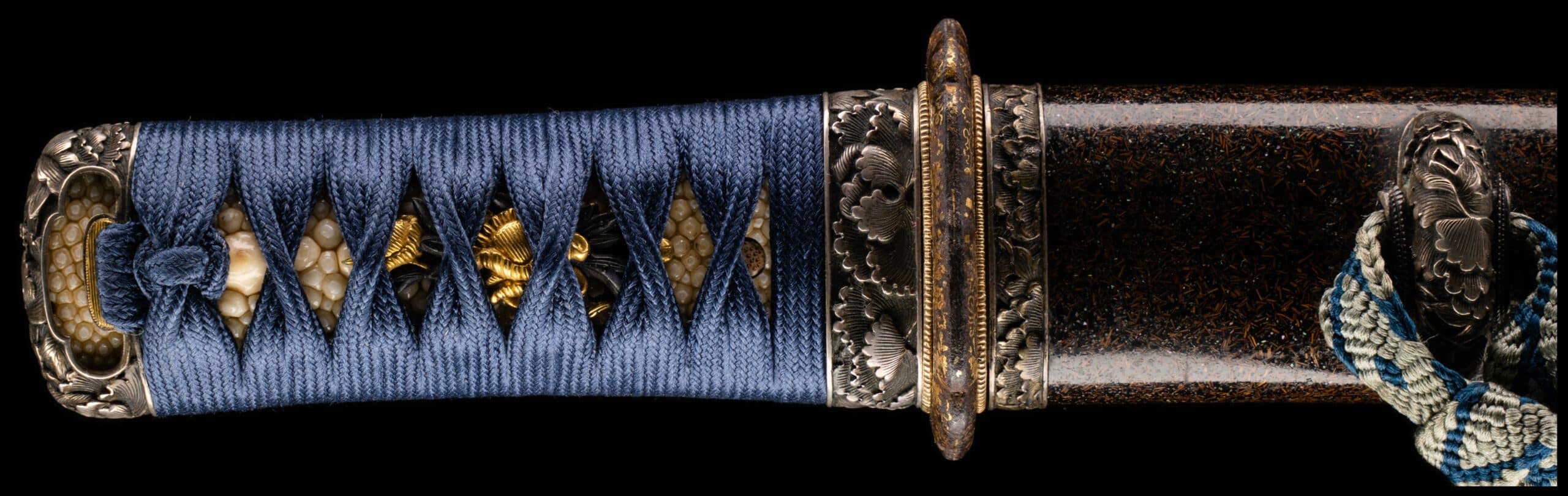
A Masterpiece Tantō by Muramasa
Demon Steel of Ise – The Enduring Legend of Muramasa
Late Muromachi Period (c. 16th century)
Ise Province
NBTHK Tokubetsu Hozon Tōken
Nagasa: 8 sun 5 bu (approx. 25.7 cm)
Among the great names in the history of Japanese swordmaking, few evoke as much fascination, controversy, and reverence as Muramasa. This exceptional tantō, forged in Ise Province during the late Muromachi period, stands as a powerful testament to the artistry and legacy of the Muramasa school. Compact in form yet monumental in presence, it embodies the uncompromising spirit of an age defined by conflict, loyalty, and transformation.
Muramasa was not a single individual but the progenitor of a lineage of swordsmiths active from the fifteenth century onward. Working in Ise Province, the Muramasa smiths developed a distinctive and highly recognizable style. Their blades are celebrated for bold construction, keen cutting ability, and a palpable sense of tension within the steel itself. These were not ceremonial weapons created for display; they were forged during the Sengoku period, when Japan was fractured by near-constant warfare and swords were instruments of survival. In such a climate, reliability, sharpness, and durability were paramount, and Muramasa blades earned an enduring reputation for all three.
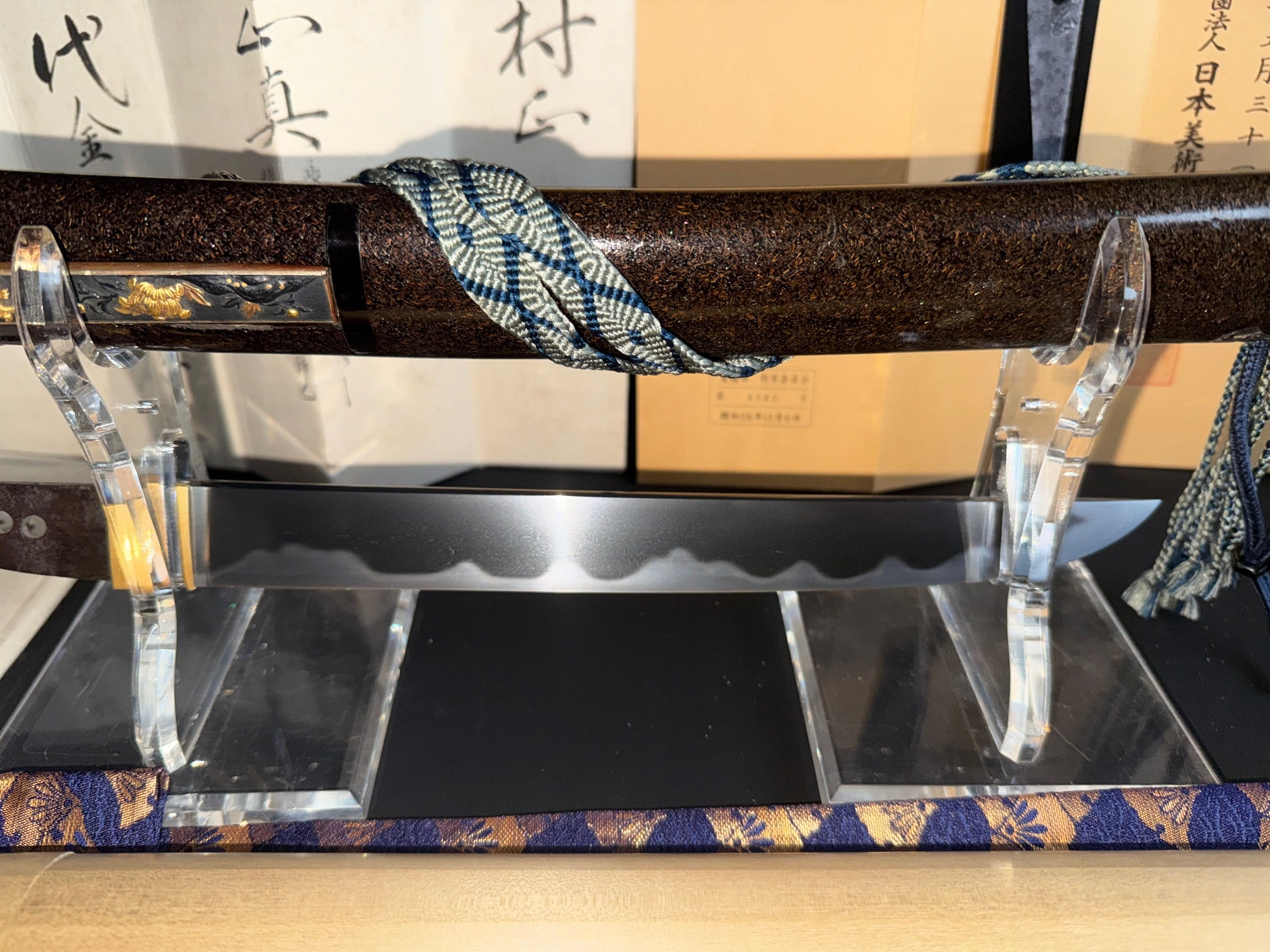
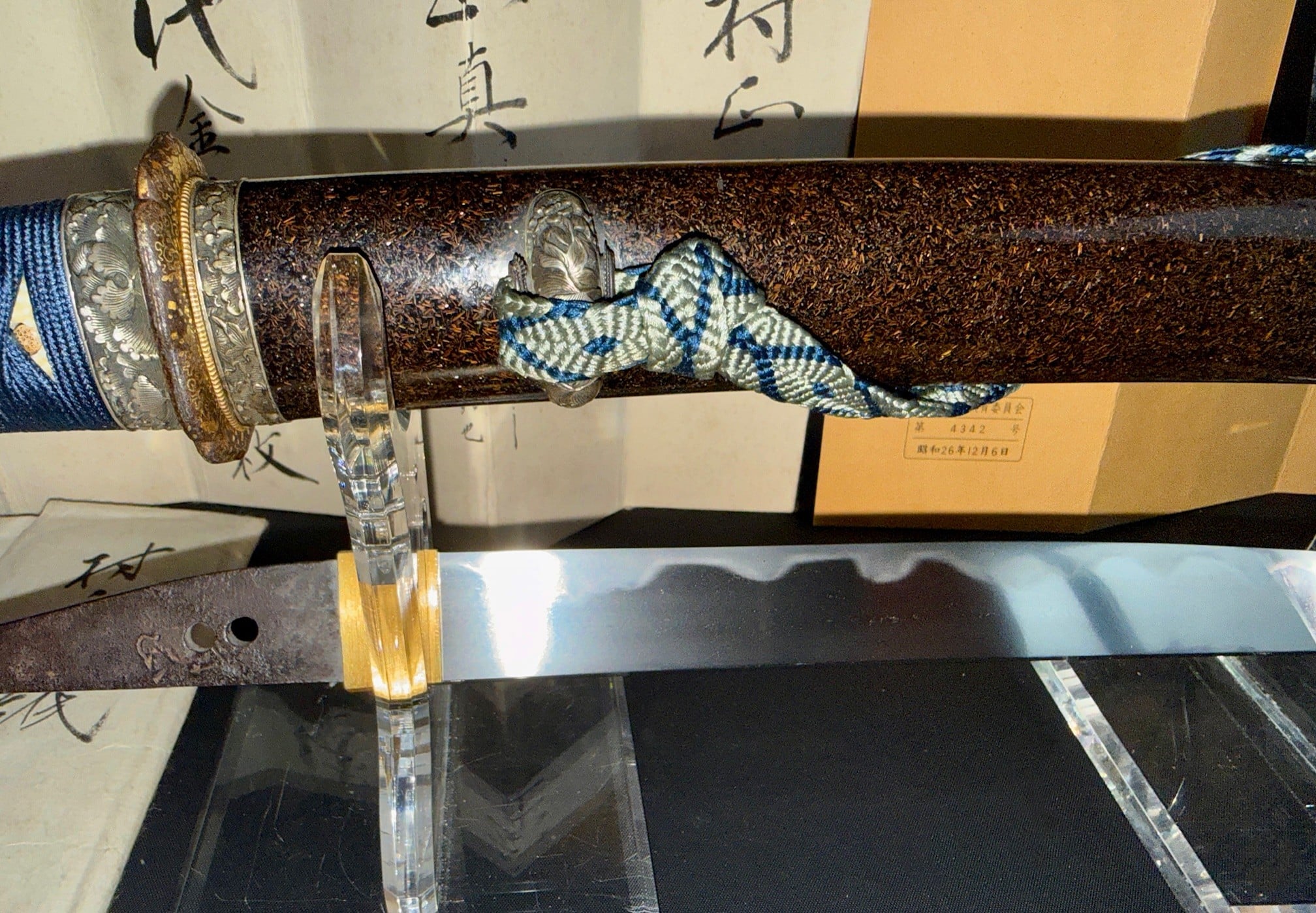
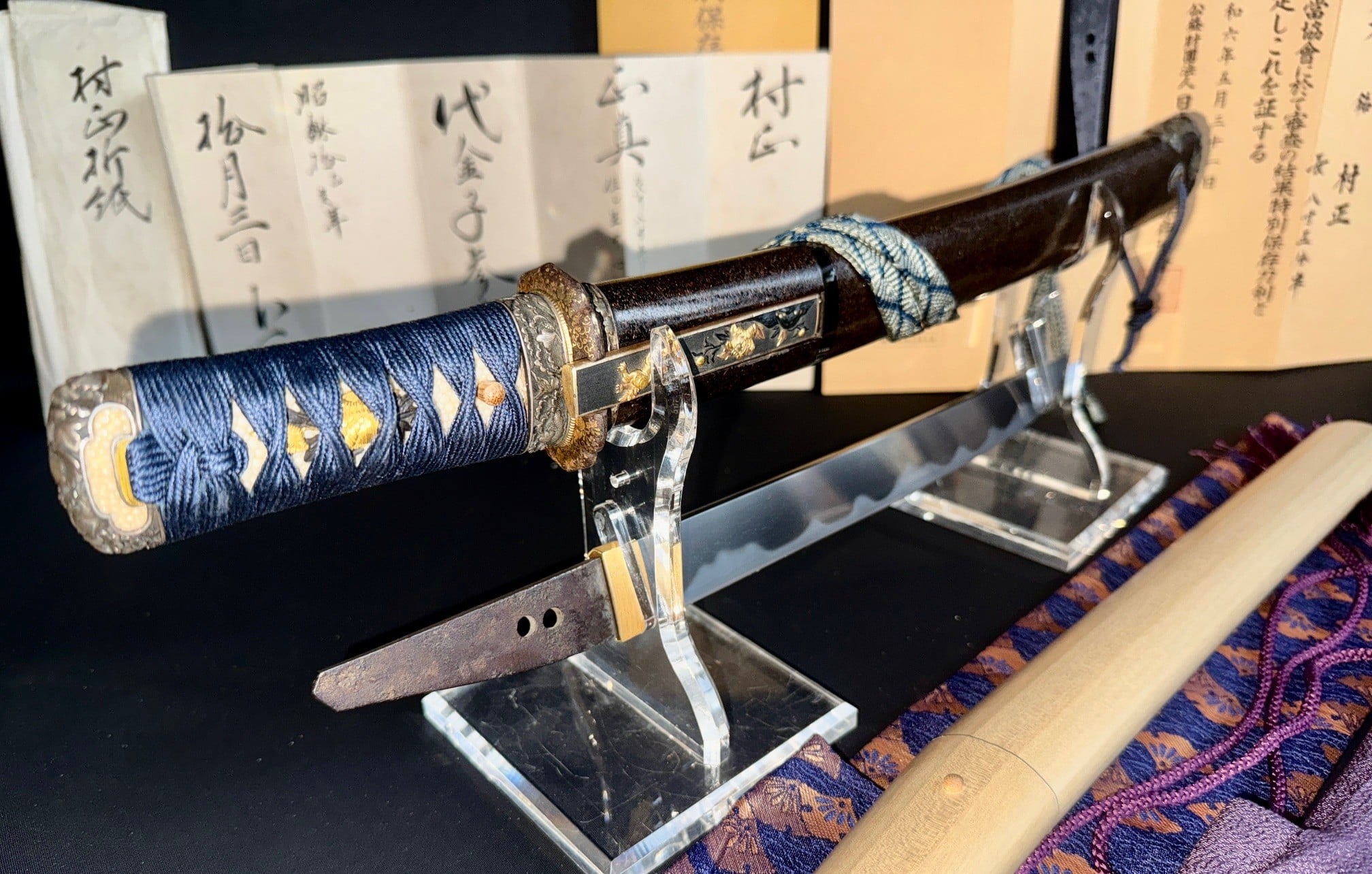
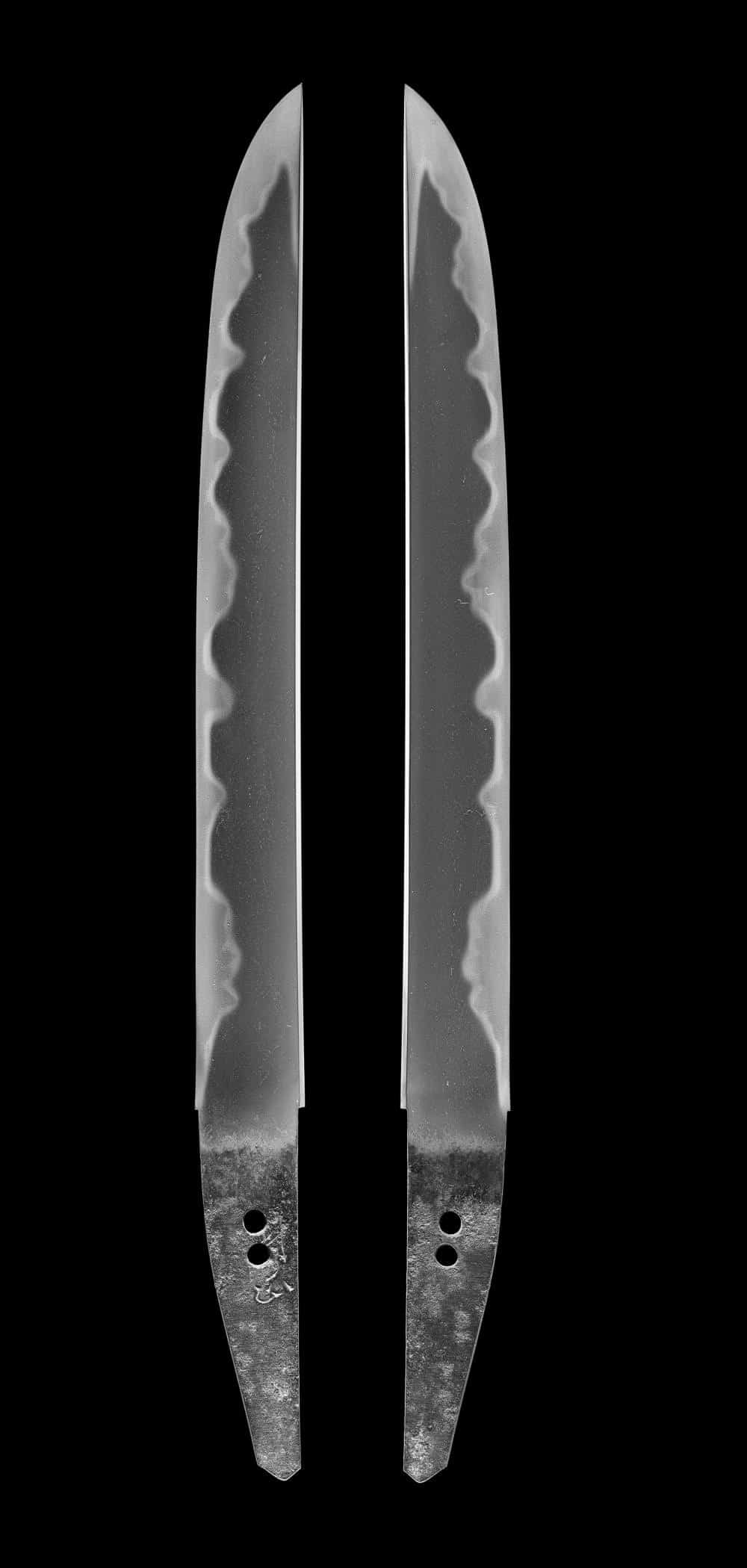
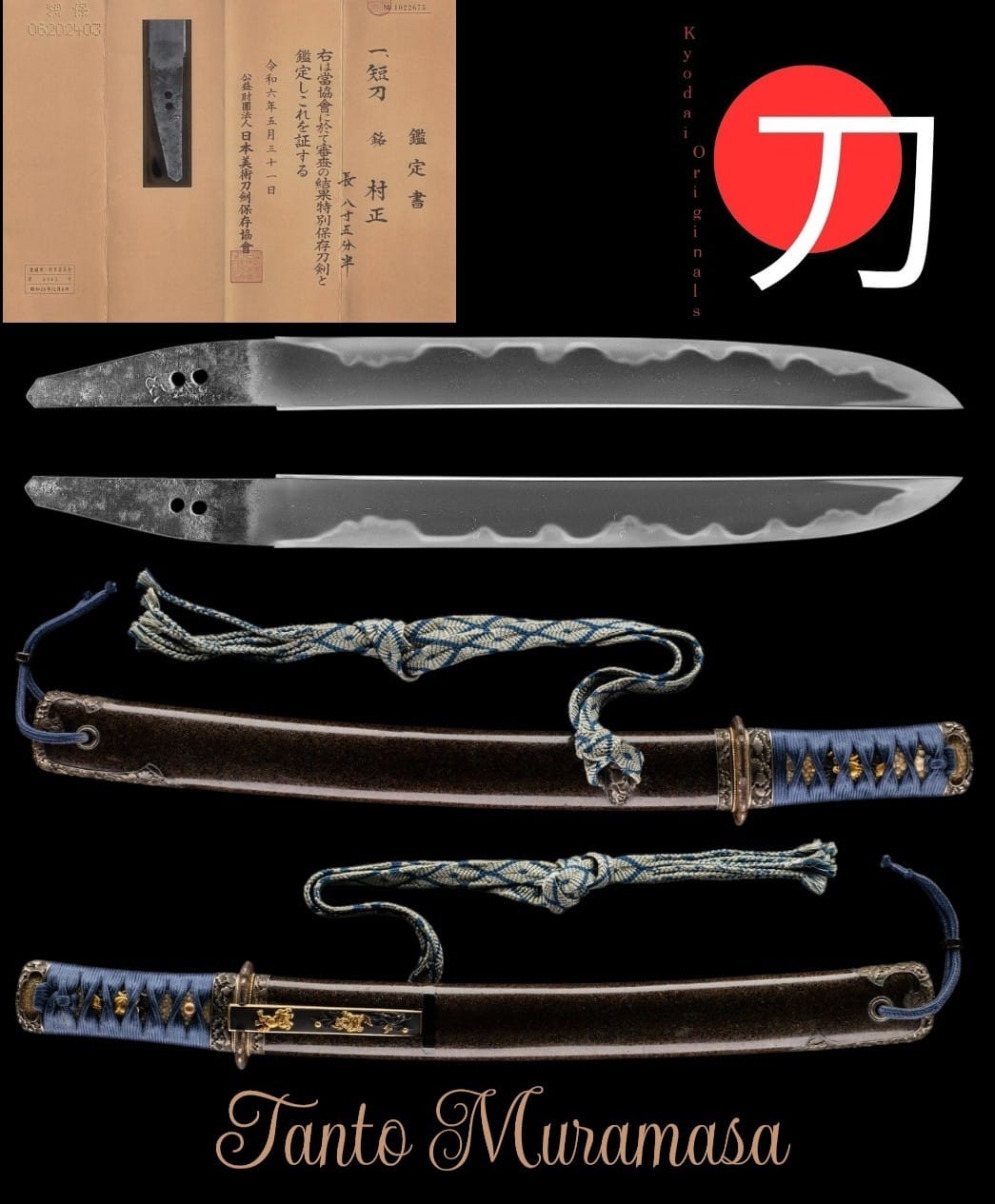
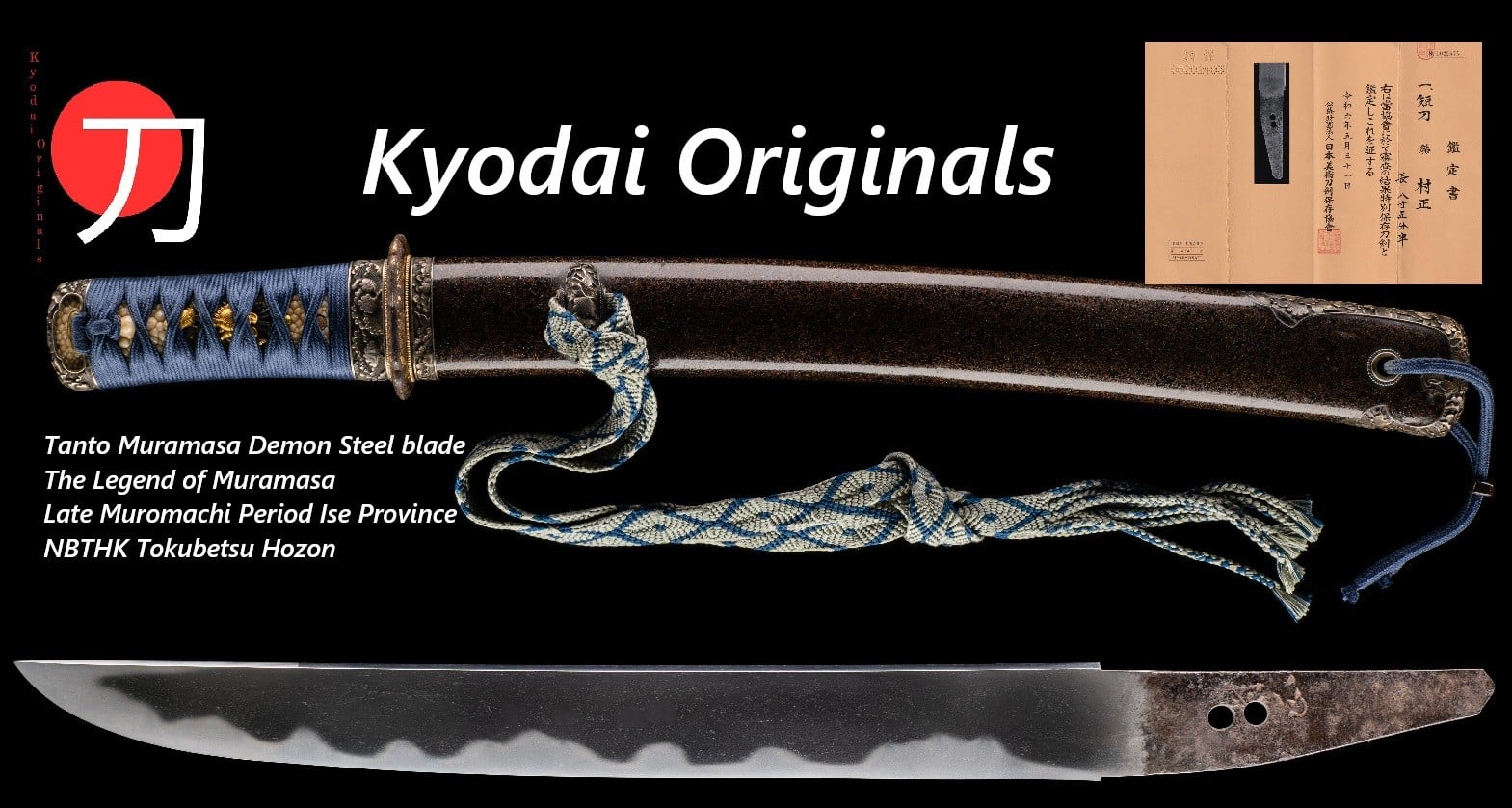
The present tantō, with a nagasa of 8 sun 5 bu (approximately 25.7 cm), demonstrates the refined yet forceful proportions characteristic of the school. The sugata is compact and well balanced, projecting density and strength despite its modest length. A firm motohaba and solid kasane contribute to a feeling of authority in the hand, while the gentle curvature reflects late Muromachi aesthetics and functional design. As a sidearm intended for close-quarters combat, the tantō was often the final safeguard of a warrior’s life. In this context, Muramasa’s emphasis on cutting efficiency and structural integrity becomes all the more meaningful.
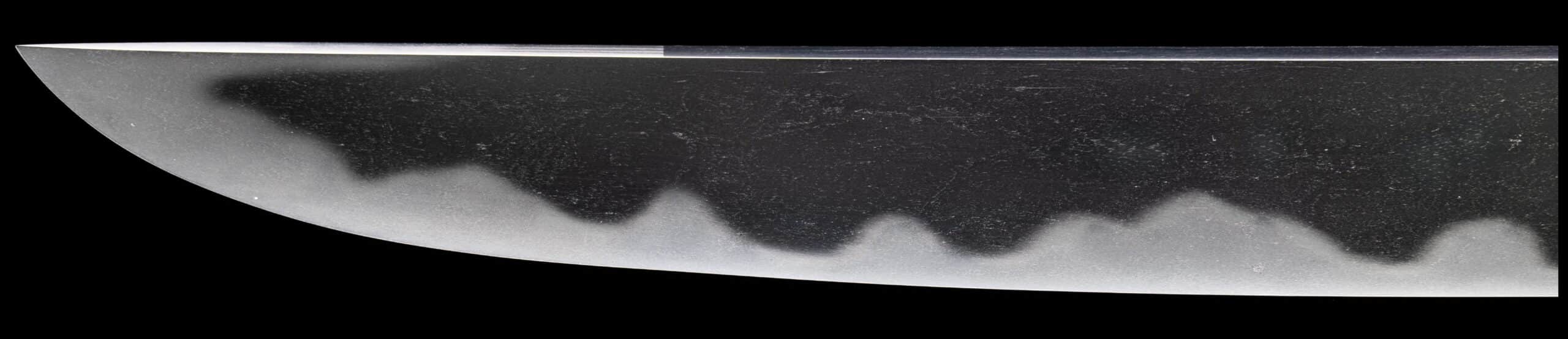
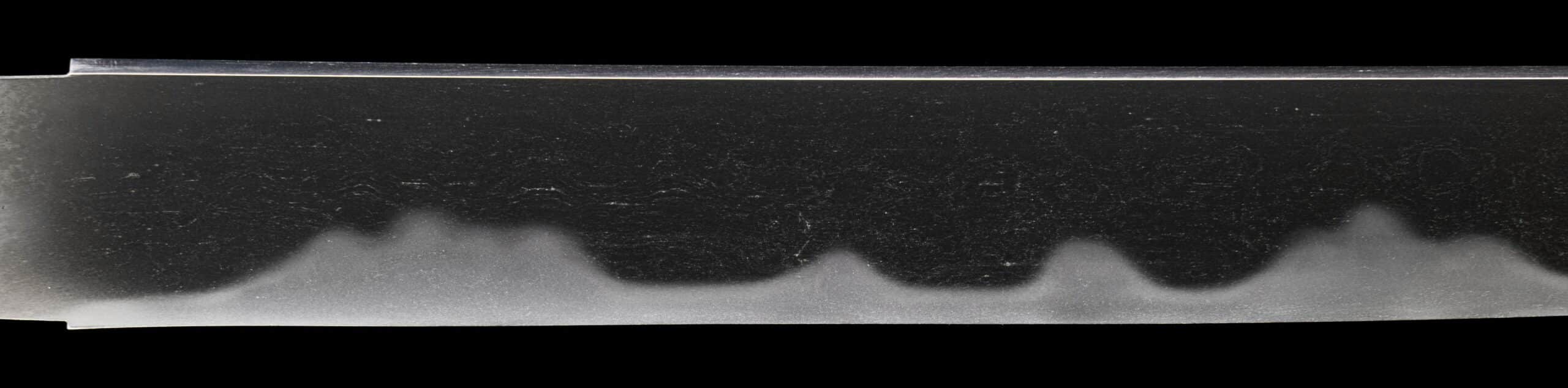
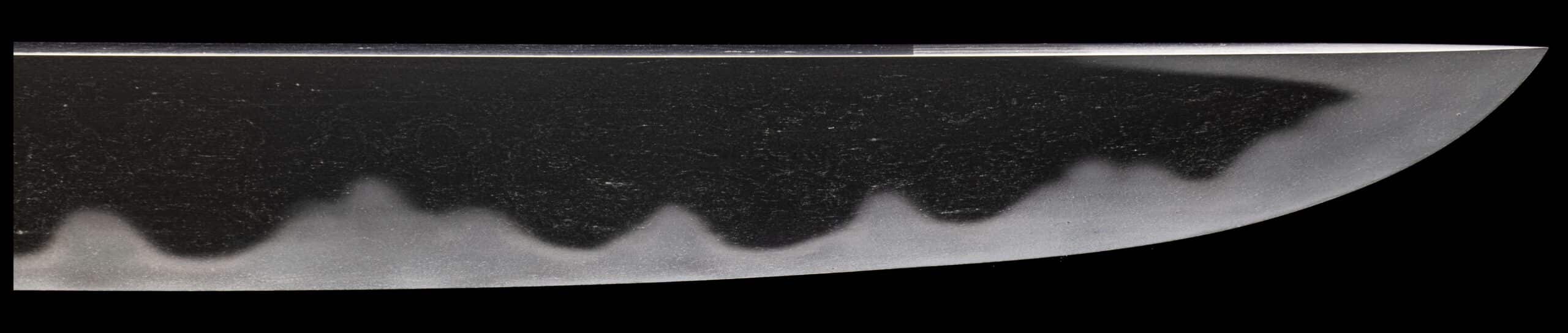
The blade’s hamon is a defining feature. Muramasa temper lines are renowned for their energy and intensity, often displaying a vivid, almost restless character. Even in examples where the pattern appears controlled, there remains an unmistakable sharpness and clarity that signals the hand of a confident and experienced smith. On this tantō, the hamon is clearly visible and consistently executed on both sides, reinforcing the blade’s authenticity and artistic strength. The steel itself reveals healthy structure and careful forging, reflecting both technical mastery and aesthetic sensitivity.
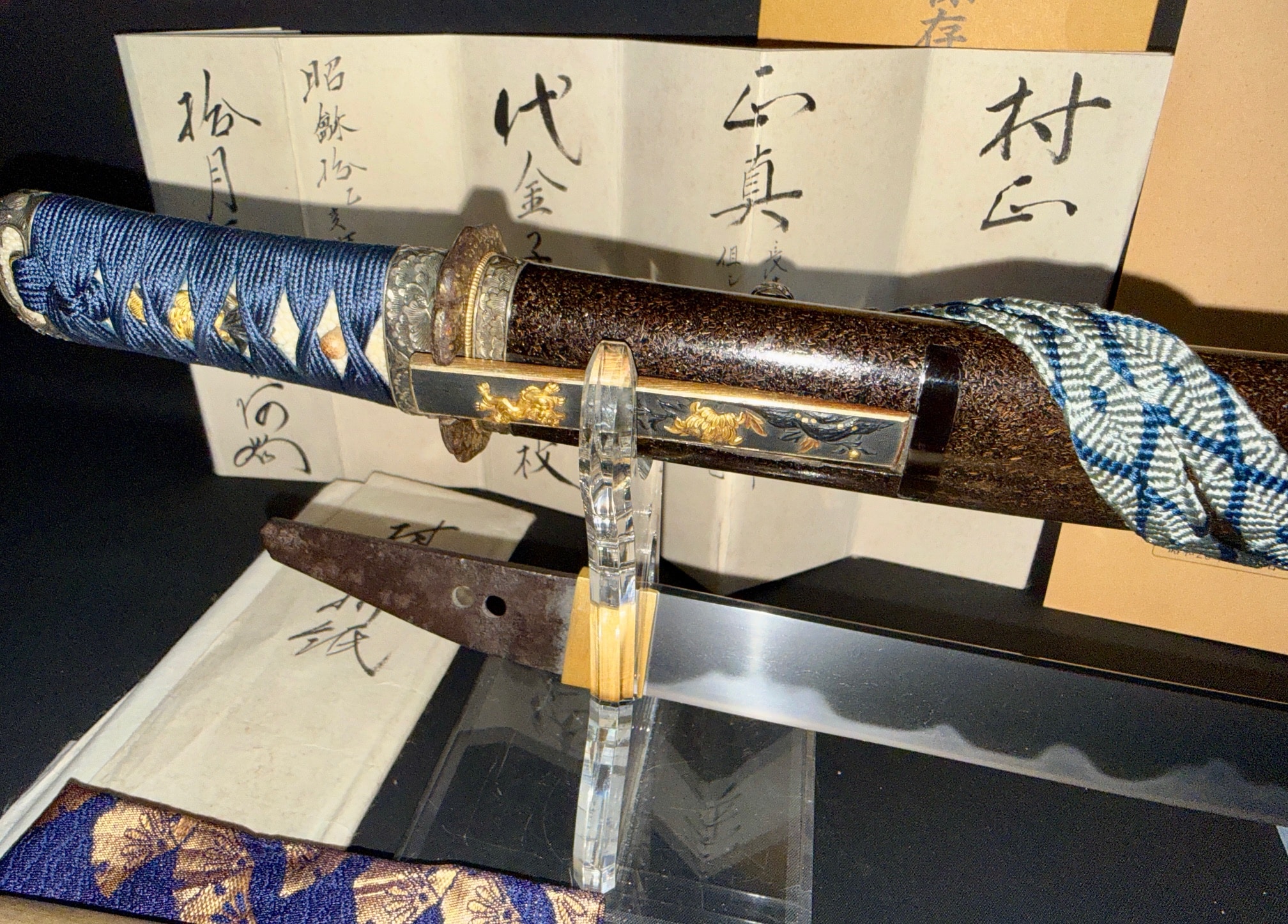
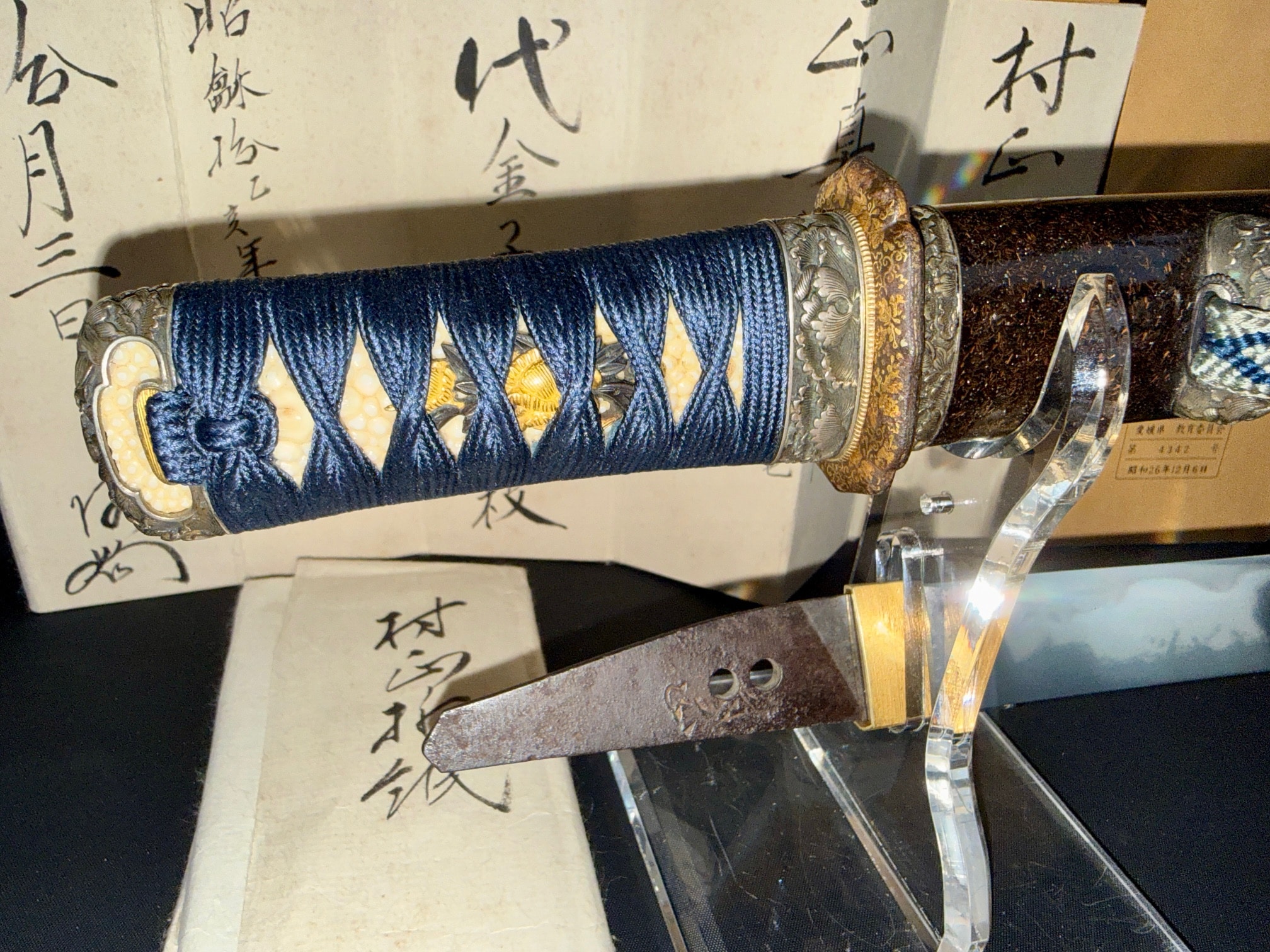
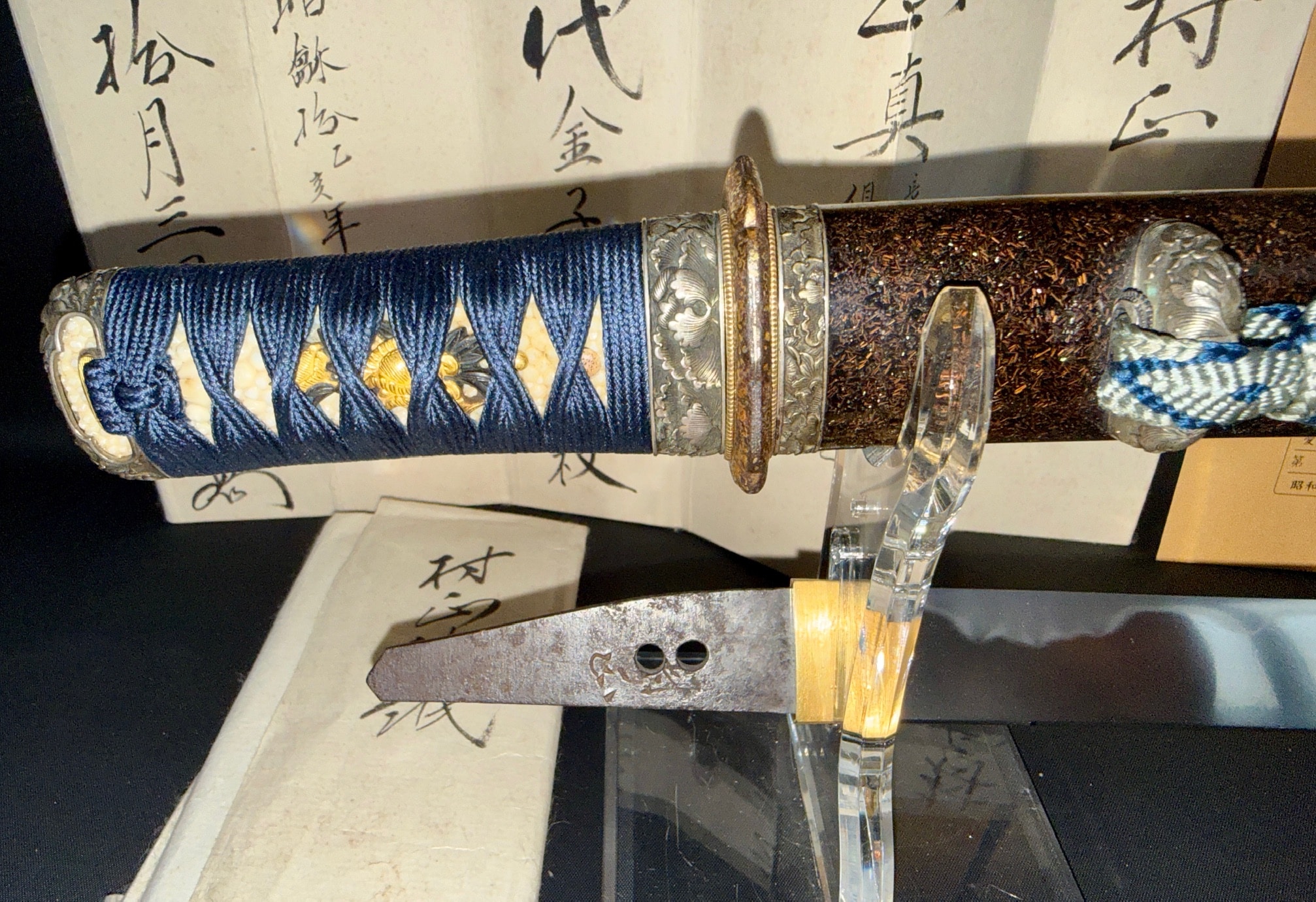
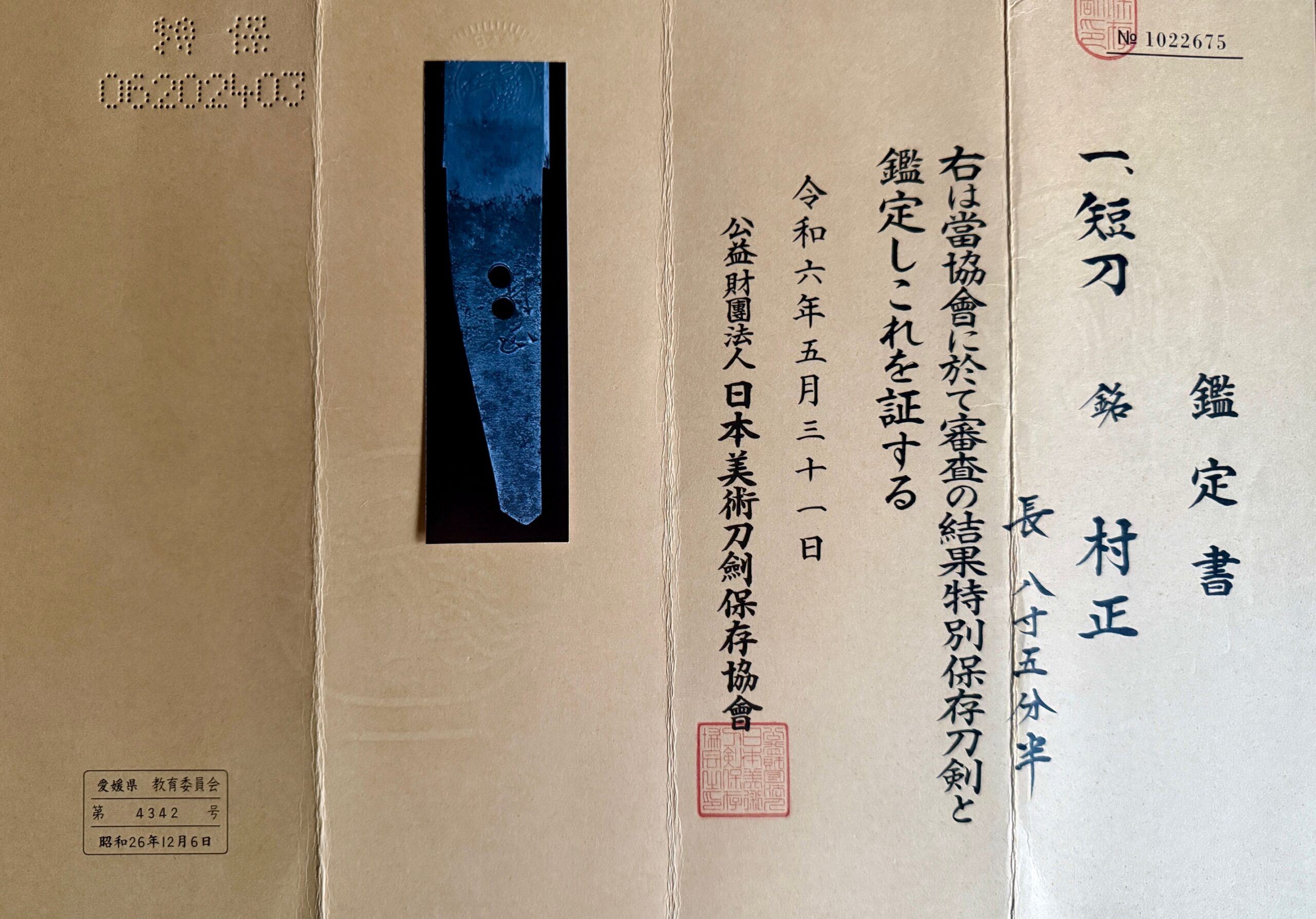
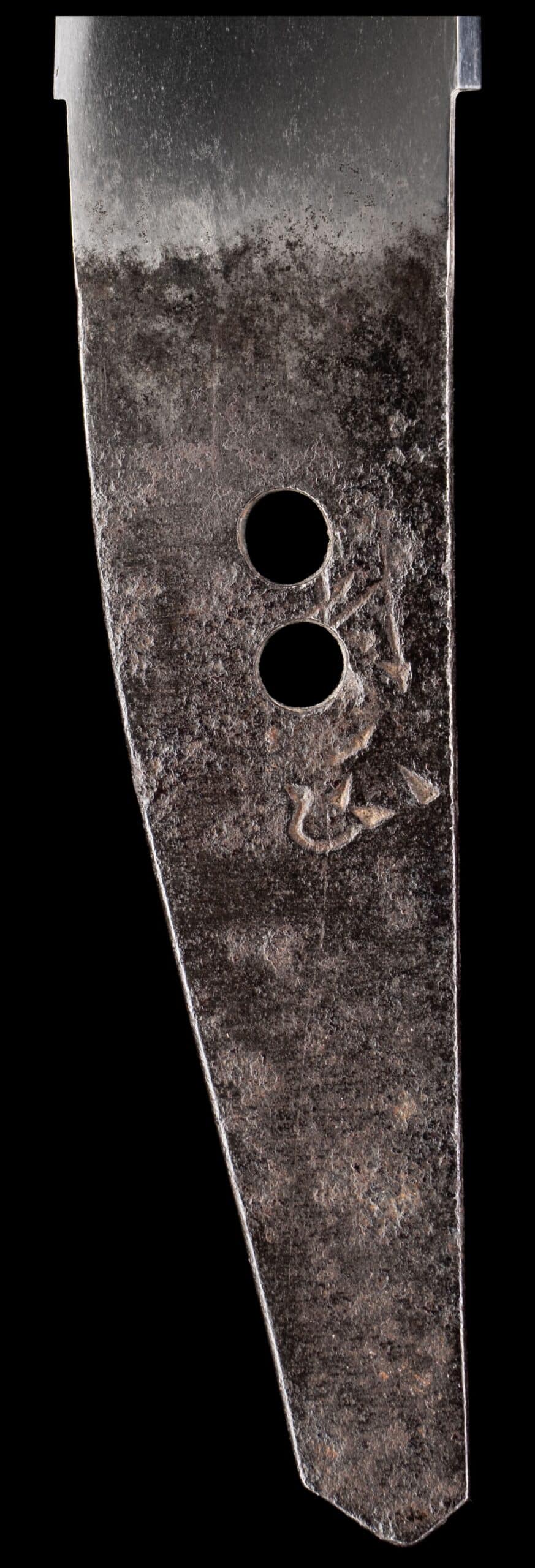
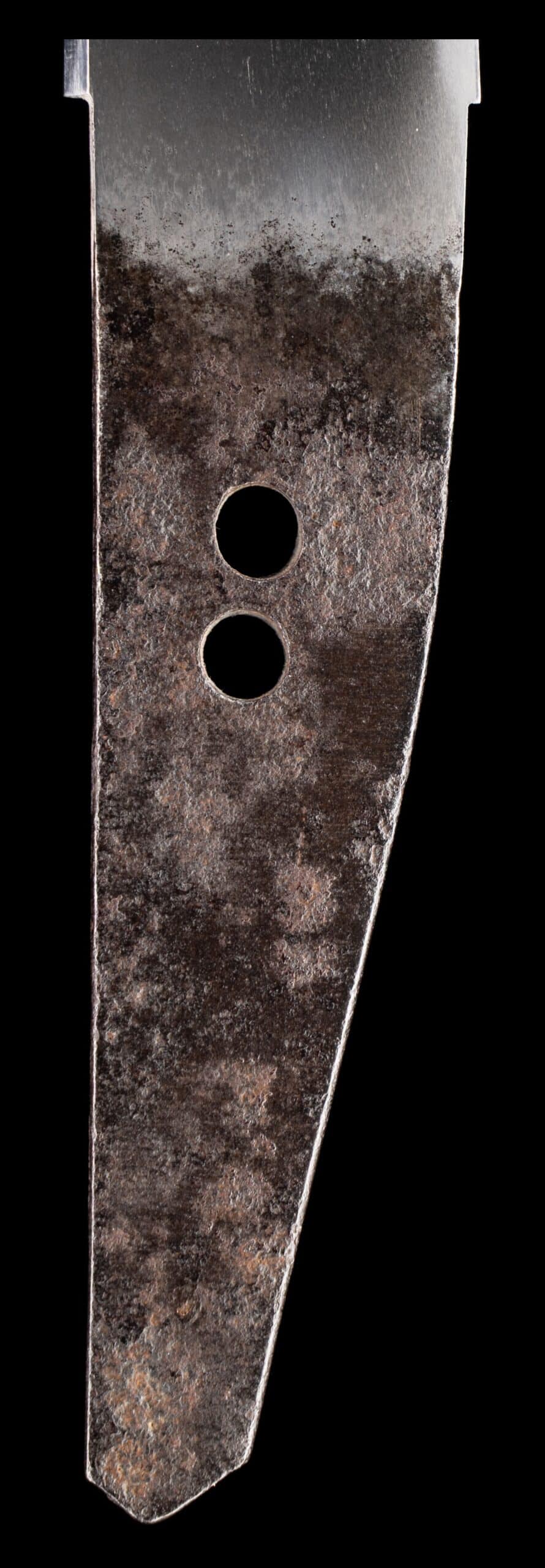
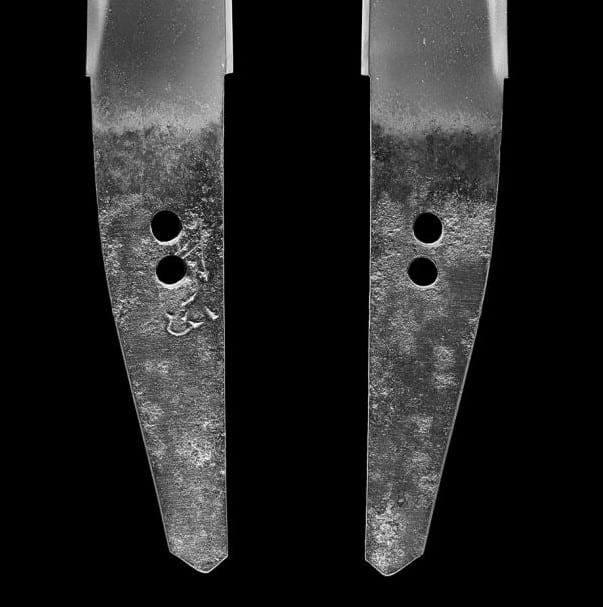
The nakago further supports the attribution. Its form, patination, and overall condition are entirely consistent with genuine late Muromachi workmanship. The presence of two mekugi-ana speaks to the blade’s long and honorable history of remounting—an expected and respected aspect of Japanese sword tradition. Importantly, the tang has not been excessively altered, preserving crucial historical evidence. Most significant of all, the mei remains intact and legible.
The preservation of an original Muramasa signature carries exceptional weight. Through a series of tragic and politically charged events involving the Tokugawa family, Muramasa swords became associated with misfortune. They were labeled yōtō—“demon swords”—believed to possess a malevolent or bloodthirsty spirit. While modern historians interpret these stories as largely symbolic or coincidental, their impact during the Edo period was profound. Many Muramasa blades had their signatures removed, altered, or disguised (kaimei) to avoid political suspicion. As a result, authentic examples retaining a clear and unmodified mei are today rare and highly prized.
The legend of Muramasa, far from diminishing his reputation, has amplified it. The idea of the “demon blade” speaks less to superstition and more to the extraordinary sharpness and cutting performance of these swords. In the hands of skilled warriors, such blades were instruments of decisive power. Over centuries, myth and craftsmanship became inseparable, and Muramasa’s name entered the cultural imagination of Japan as both feared and revered.
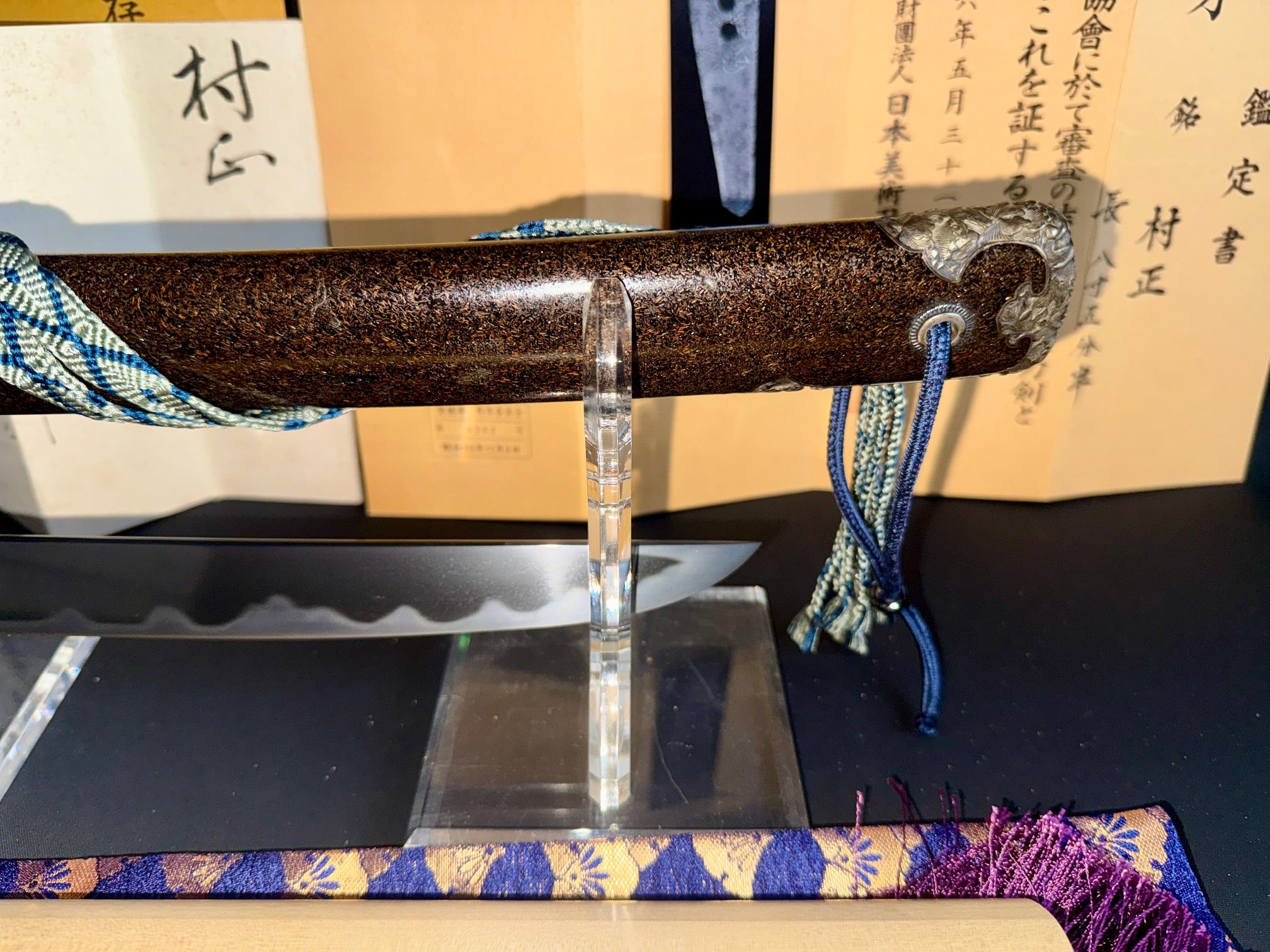
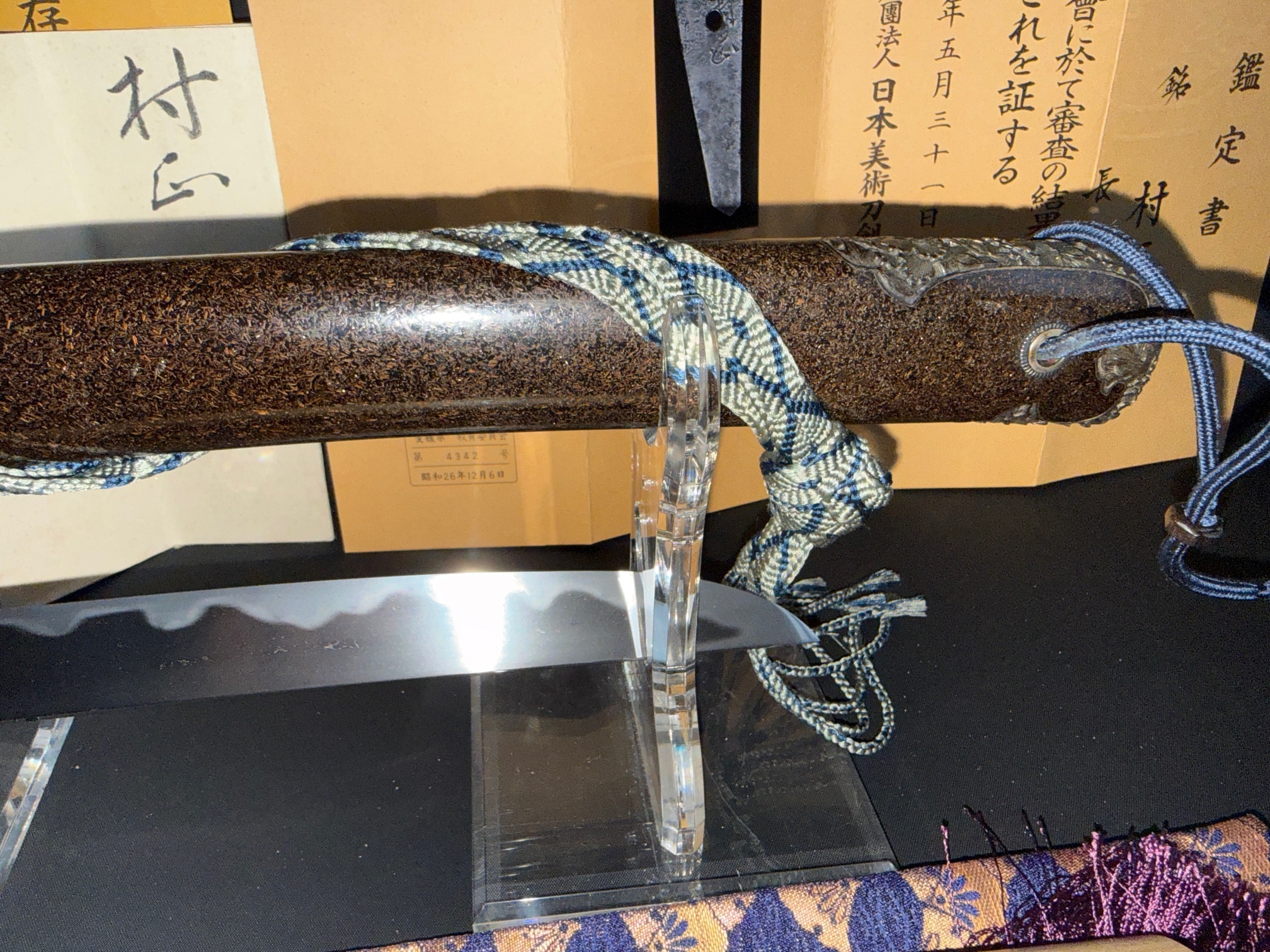
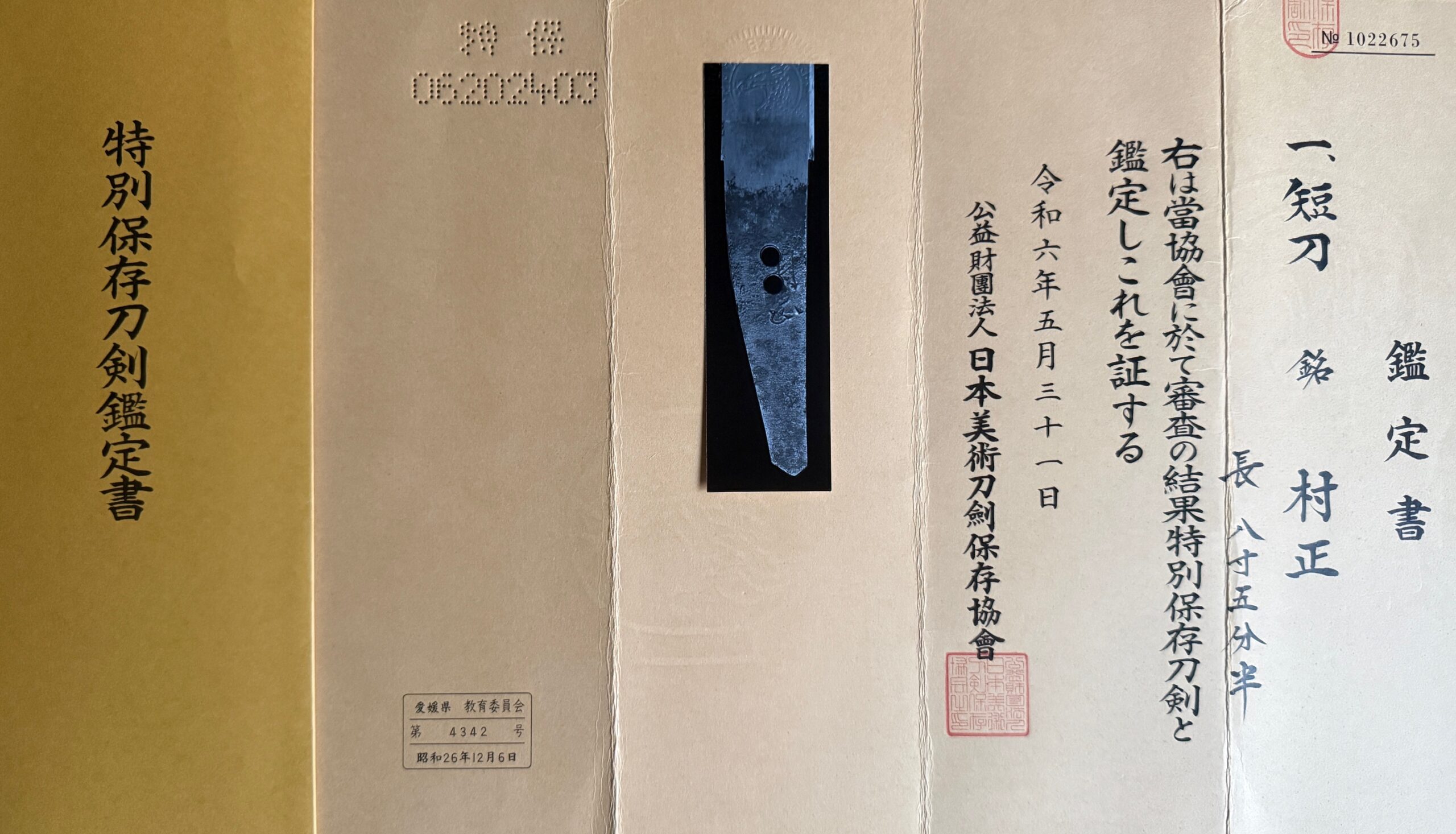
This tantō has been awarded NBTHK Tokubetsu Hozon Tōken certification, confirming its authenticity and recognizing it as a sword of particularly high importance. Tokubetsu Hozon status is reserved for blades that demonstrate superior quality and historical value, placing this work firmly within the upper echelon of surviving Muramasa examples.
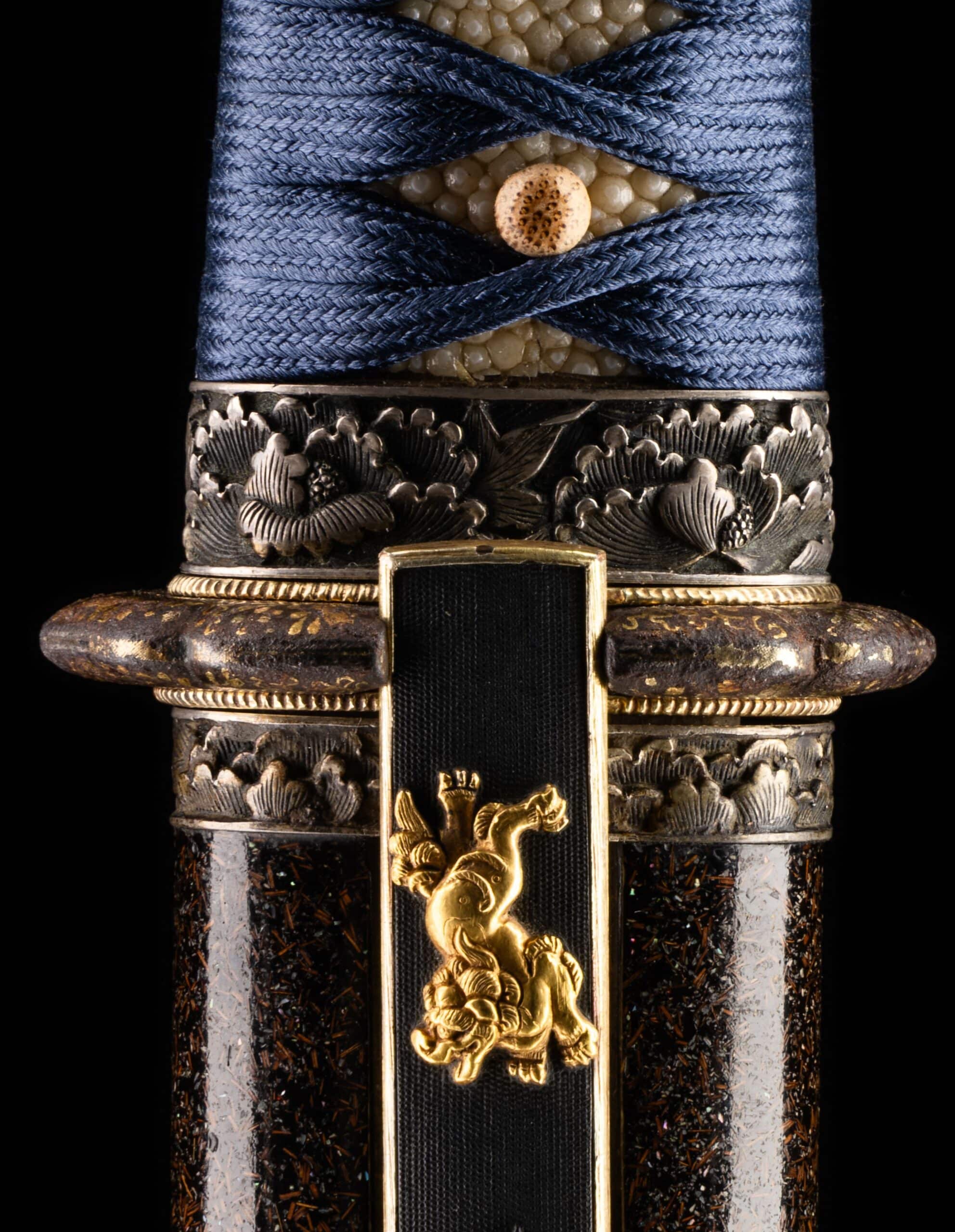
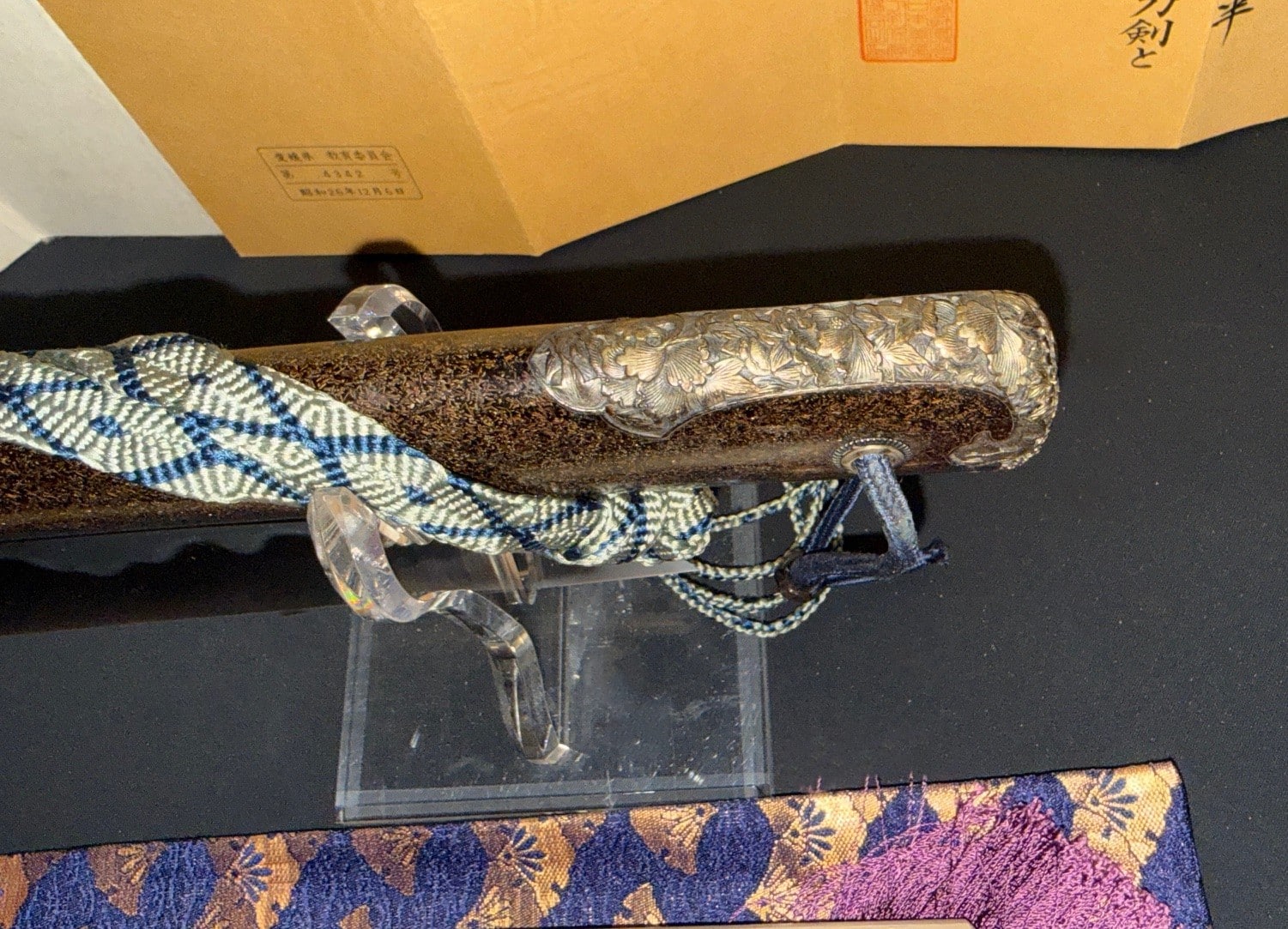
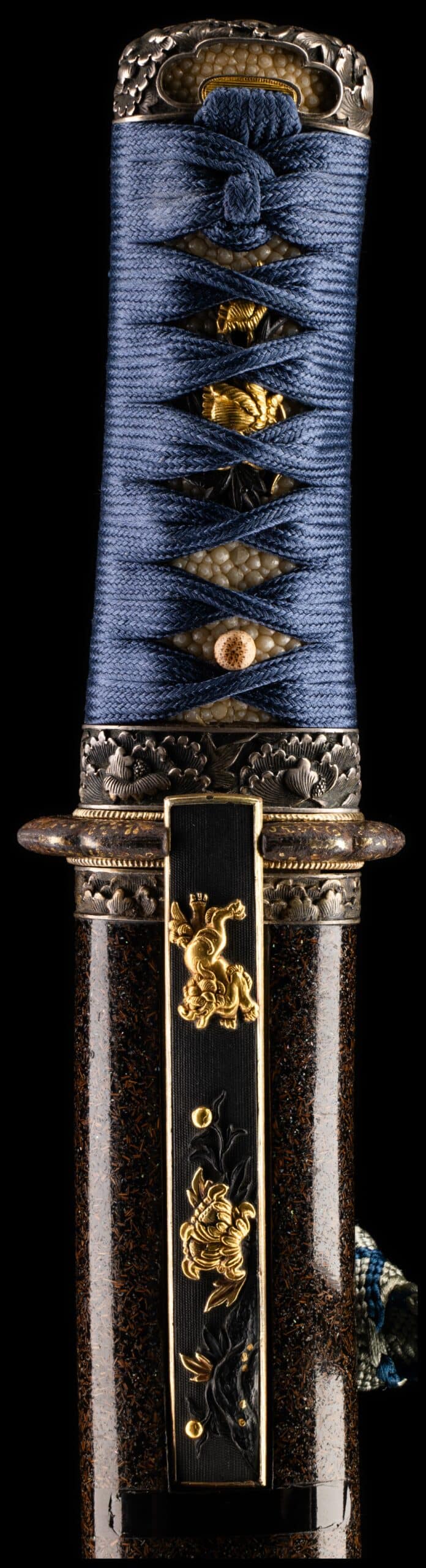
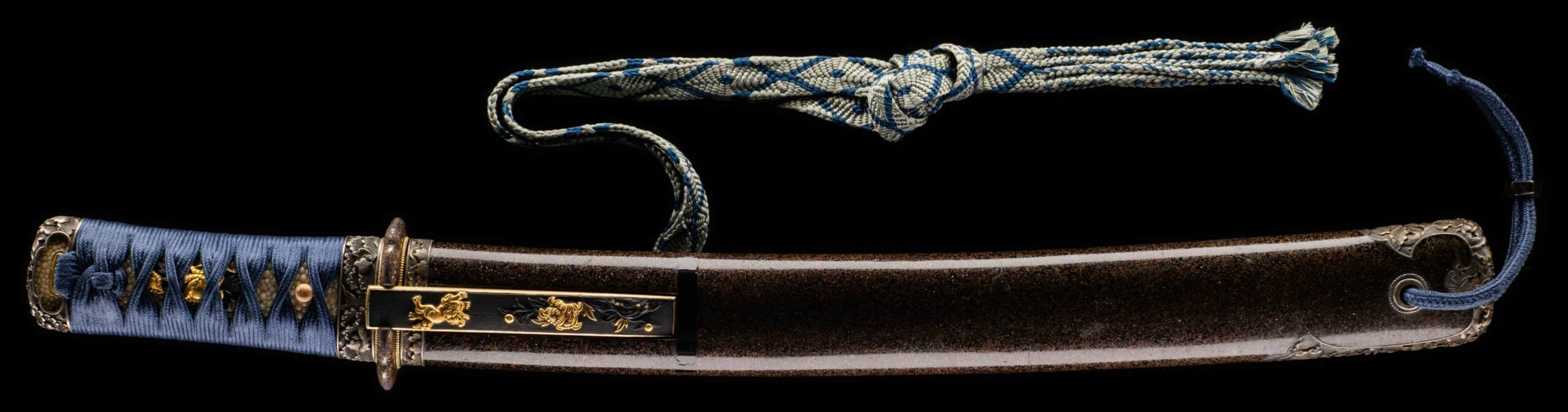
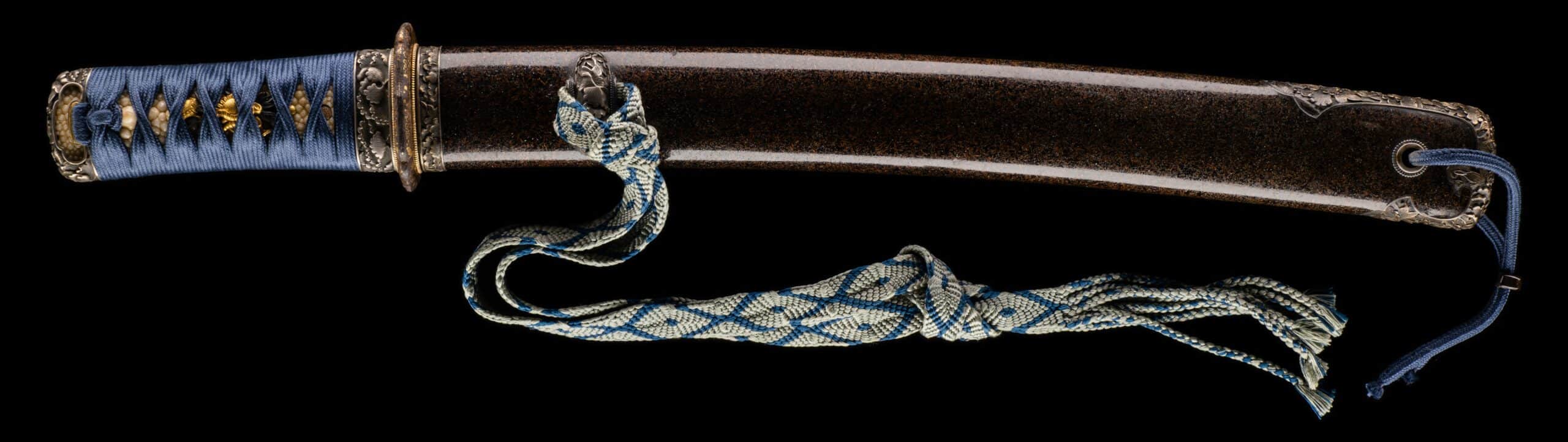
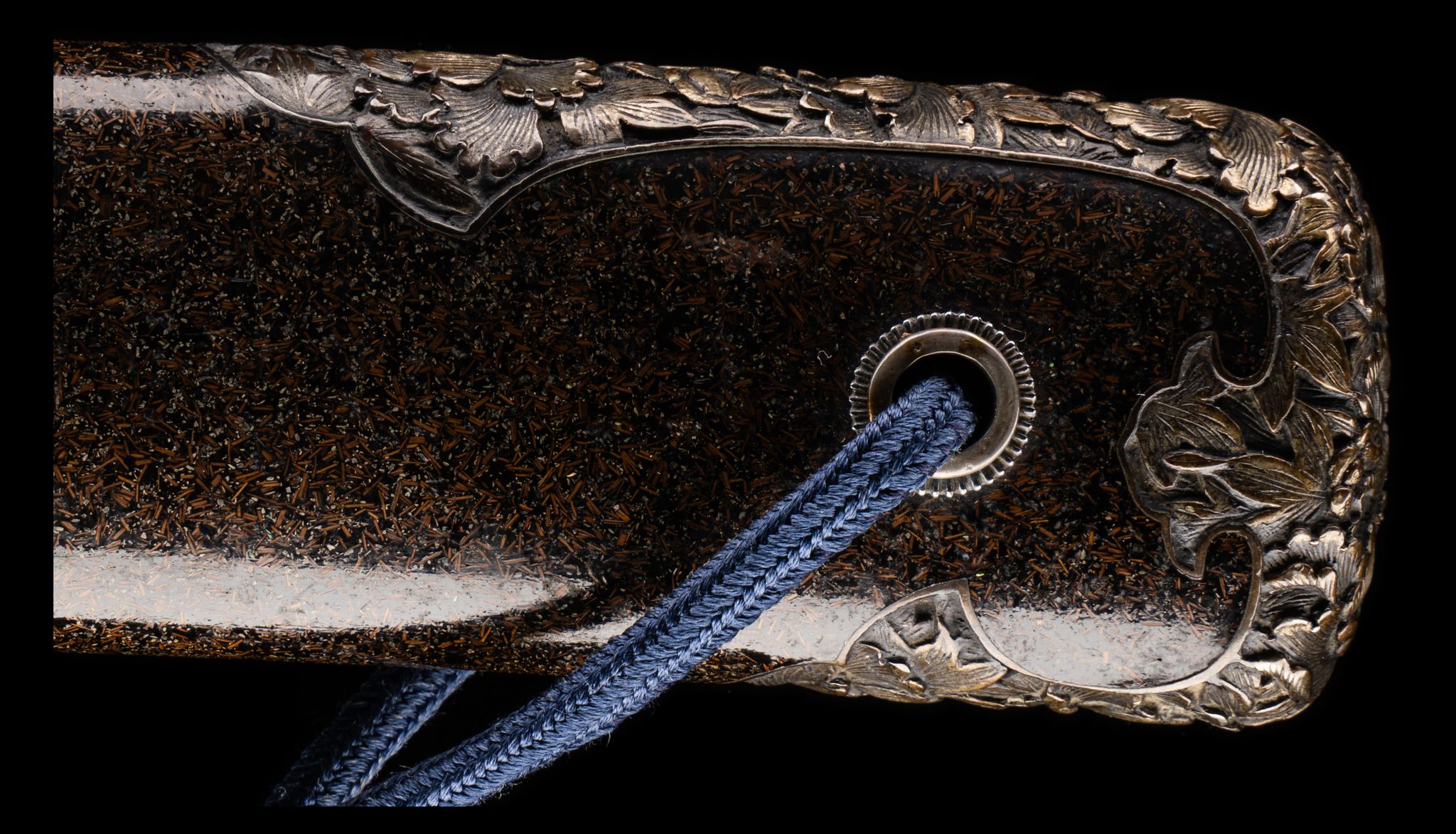
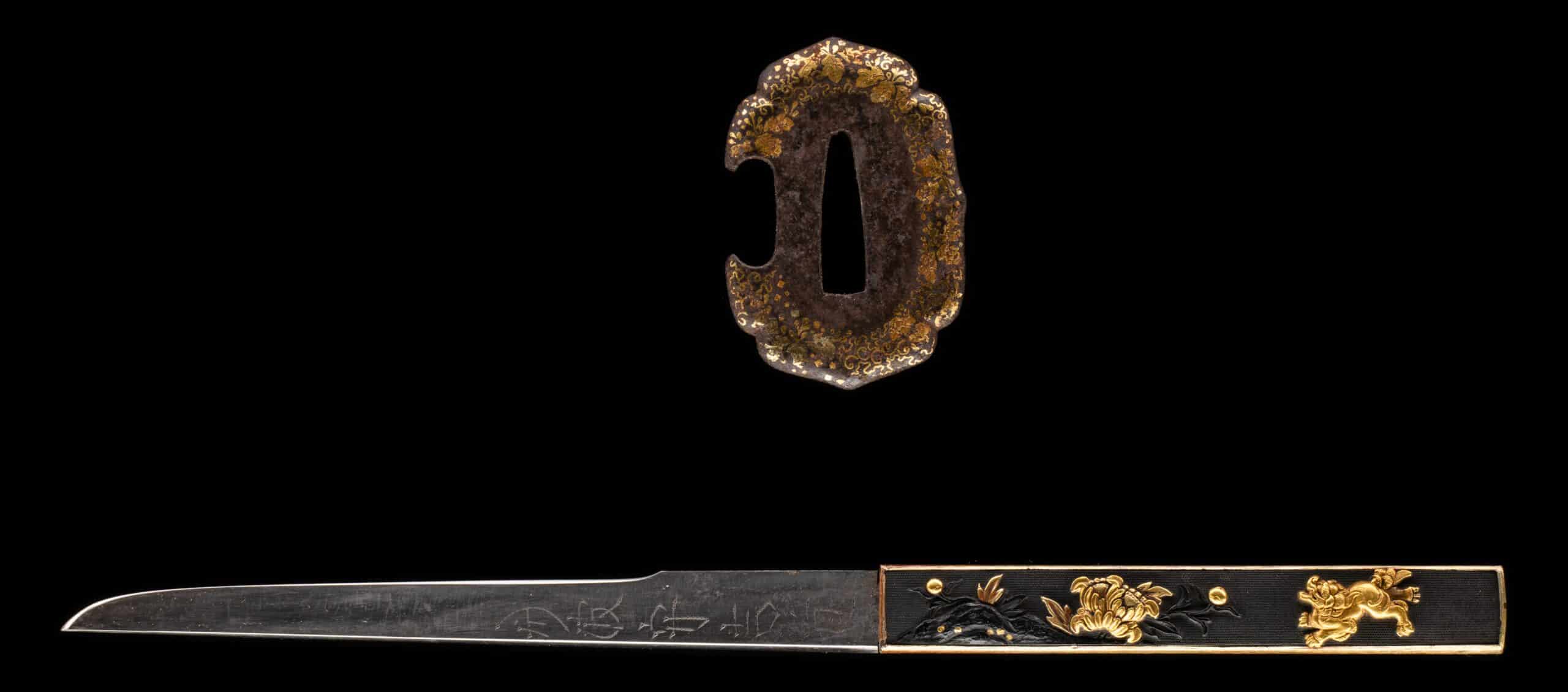
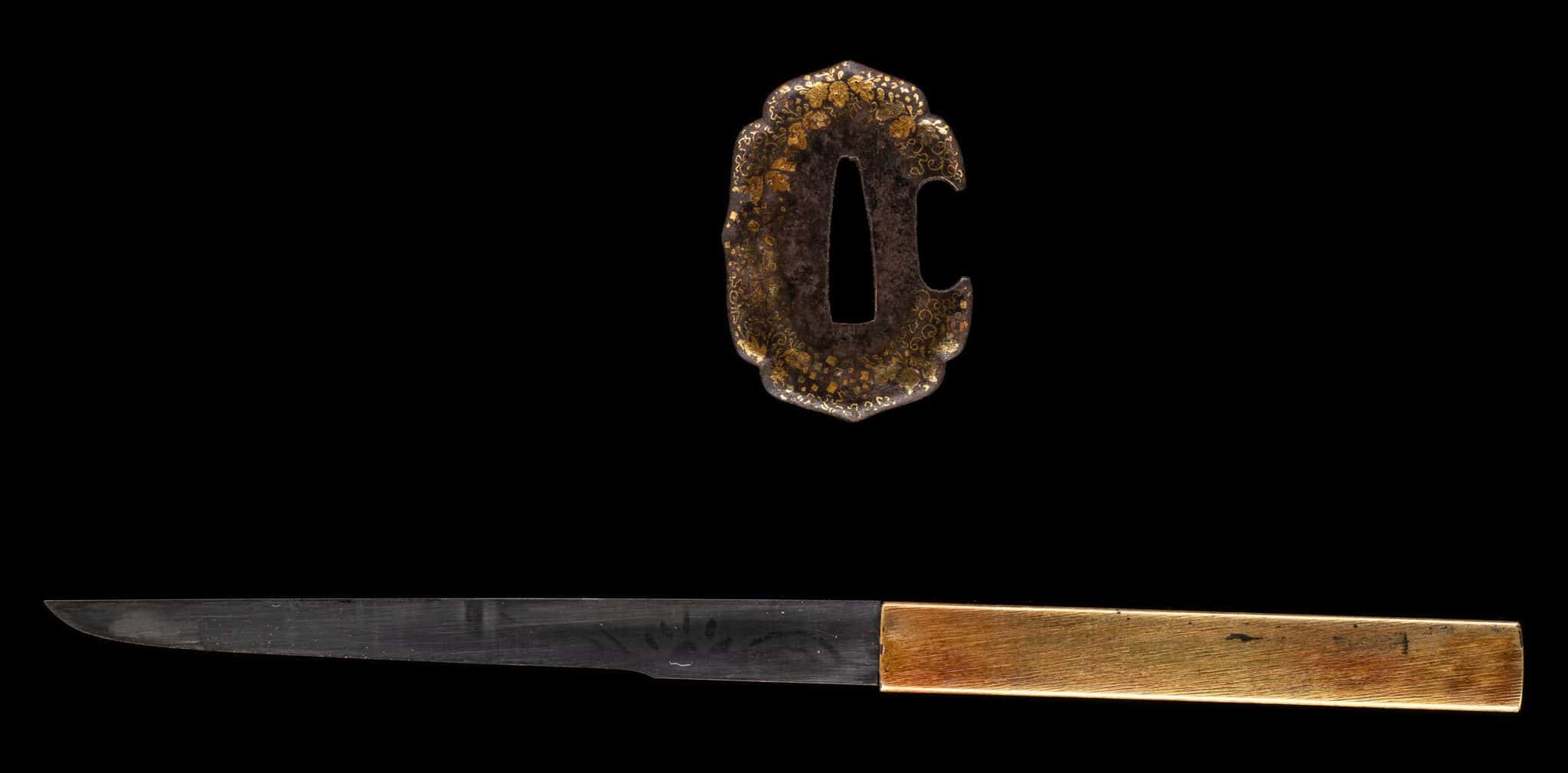
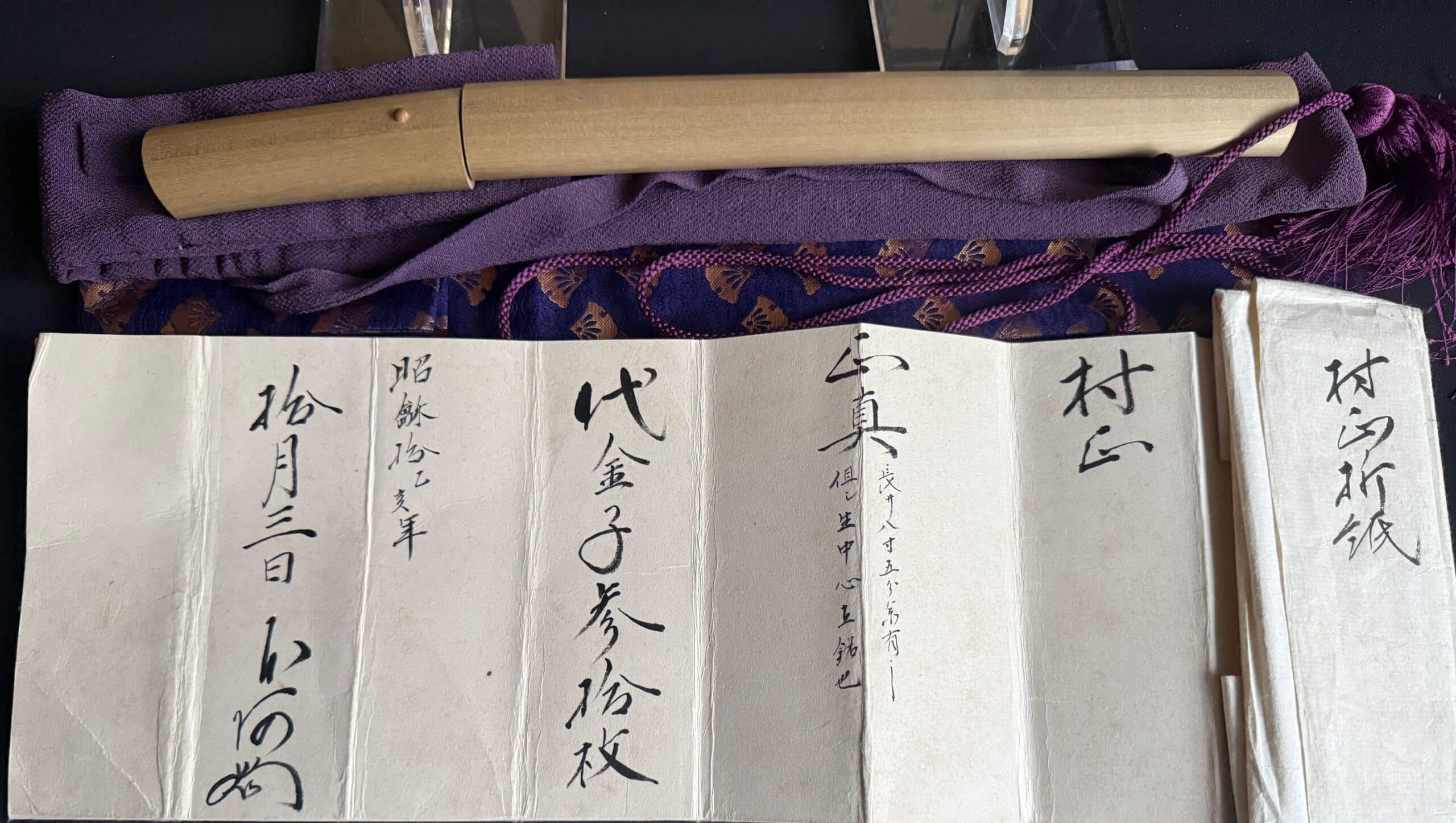
Accompanied by both shirasaya and koshirae, the sword may be appreciated in multiple contexts: as an object of scholarly study, as a preserved historical artifact, and as a weapon once carried at the side of a warrior. The overall condition is notably fine. The steel remains healthy, the details crisp, and the blade conveys the quiet authority that only genuine historical objects can possess.
More than a finely forged short sword, this Muramasa tantō is a tangible witness to the martial realities of the Muromachi period and to one of the most compelling legends in the history of Japanese arms. It unites technical excellence, historical resonance, and mythic aura in a single, coherent form. Compact yet commanding, refined yet uncompromising, it stands as a true expression of Muramasa’s enduring legacy , a masterpiece in every sense.


